Currency and Costs in Iceland
Iceland uses the Icelandic króna (ISK), but everyday payments are overwhelmingly digital. Debit cards, credit cards and mobile wallets are accepted in almost every shop, restaurant, hotel, attraction and fuel station. Most visitors can travel without carrying more than a small amount of cash.
This guide explains how to pay, what common travel purchases currently cost, which card choices prevent avoidable fees and how to build a realistic Iceland budget without relying on exchange rates or prices that quickly become outdated.
Quick guide to money and costs in Iceland
| Currency | Icelandic króna, shown as ISK or kr.; foreign currency is rarely accepted |
|---|---|
| Best way to pay | Contactless debit or credit card, Apple Pay or Google Pay; keep a four-digit PIN |
| Current public examples | ISK 690 adult Reykjavík bus fare and ISK 1,500 adult Reykjavík pool admission |
| Avoid extra cost | When a terminal offers a choice, pay in ISK rather than accepting conversion to your home currency |
| Good to know | Prices, exchange rates, fuel and accommodation costs change; confirm live rates before booking |
The Icelandic króna
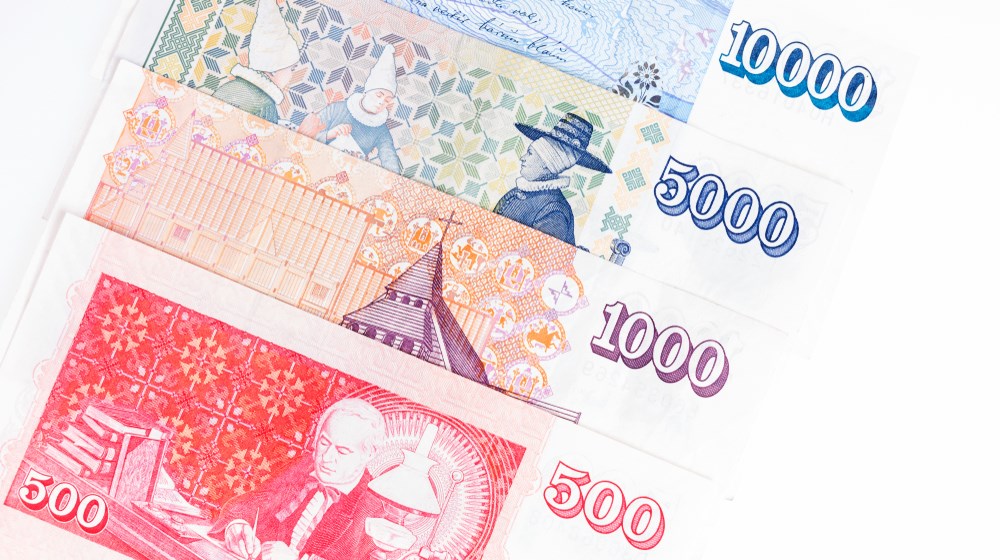
The króna is written as ISK in banking and travel systems and commonly as kr. on menus and price labels. The valid banknotes are 500, 1,000, 2,000, 5,000 and 10,000 kr., while valid coins are 1, 5, 10, 50 and 100 kr. Prices are normally shown as whole krónur rather than decimals.
Foreign notes are not a practical payment method. If you need to compare costs, use the Central Bank of Iceland reference rate, then check the rate and foreign-transaction fee applied by your own card issuer. The Central Bank rate is indicative and is not necessarily the exact rate used for a purchase.
Cards, contactless payments and mobile wallets
Visa and Mastercard are accepted almost everywhere, and contactless payment is standard. Apple Pay and Google Pay work wherever the underlying card and terminal support them. A physical backup card remains sensible in case a phone battery dies, a wallet token fails or a terminal requires chip and PIN.
Bring a card with a four-digit PIN. It can be required for higher-value purchases, unattended machines and some self-service fuel pumps. One card may also be needed for a hotel or rental-car deposit even if most spending is made with a mobile wallet.
Always choose ISK at the terminal
A payment terminal or ATM may offer to convert the transaction into your home currency. This is called dynamic currency conversion. The displayed home-currency amount may feel convenient, but the conversion rate can include a substantial markup. Decline the conversion and choose ISK; your own card network and bank will then perform the exchange.
What things cost in Iceland
Iceland is expensive, particularly for accommodation, restaurant meals, alcohol, rental cars and organised activities. There is no honest single daily budget because season, room type, transport and dining choices have a much larger effect than small everyday purchases. The following figures are useful planning references, not fixed promises.
| Reykjavík city bus | ISK 690 for one adult capital-area fare |
|---|---|
| Reykjavík swimming pool | ISK 1,500 for one adult admission under the 2026 city fee schedule |
| Coffee | Often about ISK 600–900, depending on size and venue |
| Bakery or light lunch | Often about ISK 1,500–3,000 |
| Casual restaurant main course | Often about ISK 3,500–6,000; premium dining costs considerably more |
| Beer in a bar | Often about ISK 1,200–1,800 outside happy hour |
Accommodation, rental cars, fuel, premium lagoons and tours should always be priced separately for your exact dates. Summer, Christmas and other high-demand periods can differ sharply from quieter dates. When comparing rooms or vehicles, check taxes, breakfast, baggage, insurance, parking and cancellation terms rather than looking only at the headline price.
Build your budget from the trip you actually want
A bottom-up budget is more reliable than a generic daily estimate. Start with the costs that cannot be avoided, then add choices:
- Accommodation: multiply the final nightly total by the number of nights and include parking or breakfast where relevant.
- Transport: add airport transfers, buses or the complete rental-car cost, including insurance, fuel, parking and possible one-way fees.
- Food: decide how many meals will come from supermarkets, bakeries, casual restaurants and full-service dining.
- Activities: add only the tours and admissions that matter most, using each operator’s live checkout price.
- Contingency: keep room for weather changes, an extra meal, replacement transport or a last-minute activity.
Grocery shopping and self-catering
Self-catering is the easiest way to control food costs. Bónus, Krónan and Prís are commonly used for budget-focused shopping, while larger Hagkaup stores offer a broad selection and some locations have long opening hours. Convenience shops can be useful for late arrivals but usually cost more than a planned supermarket stop.
Compare price per kilogram or litre rather than packaging size. Icelandic dairy products, bread, fish and simple ready meals can work well for breakfasts and packed lunches. Travellers with a kitchen can make a few restaurant meals feel special instead of paying restaurant prices for every meal.

Restaurants, alcohol and tipping
Restaurant prices already include service and tax. Tipping is not expected in Iceland, although a small voluntary tip is welcome for exceptional service. Check whether drinks, side dishes and sauces are included before comparing menus; a lower-priced main course can become less economical once extras are added.
Alcohol is heavily taxed and is sold for takeaway mainly through the state-run Vínbúðin shops. Supermarkets generally sell only low-alcohol products. Opening hours vary, so buy ahead rather than relying on a late-evening stop. Happy hours can reduce bar prices, but confirm the eligible drinks and times.
Fuel stations, deposits and temporary card holds
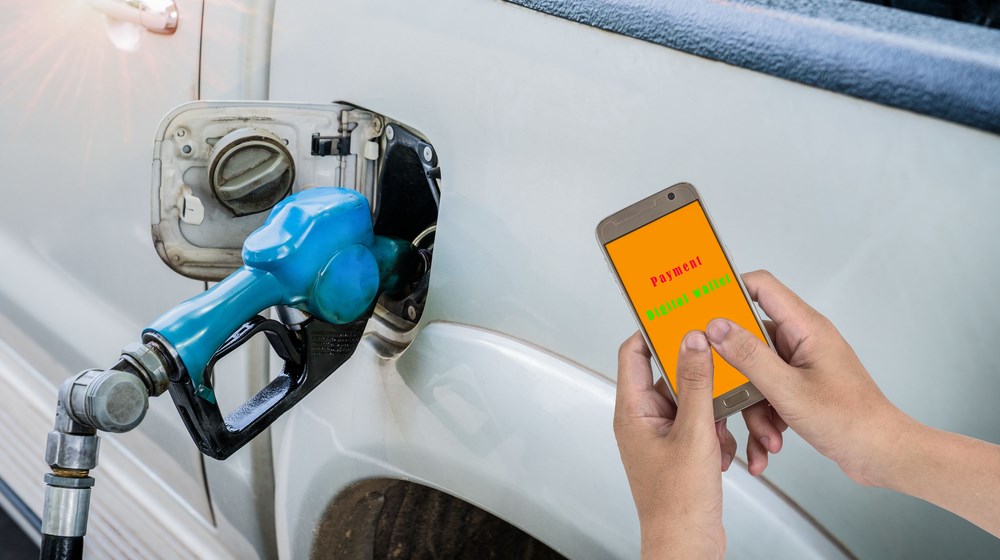
Fuel prices change frequently and may differ between stations. Unattended pumps commonly request a card and PIN. Some terminals place a temporary pre-authorisation on the card before adjusting the transaction to the value of the fuel actually dispensed. Your bank may display that pending amount for a period even though it is not the final charge.
Use a card with enough available balance for both the temporary hold and your other travel spending. If a hold remains longer than expected, keep the receipt and contact the card issuer. Rental-car companies can also reserve a deposit or excess amount; confirm the amount, accepted card type and release process before arrival.
Cash, ATMs and exchanging money
Most travellers do not need to exchange cash before arrival. If you want a small reserve, use an ATM connected to a recognised bank and review every fee shown before accepting the withdrawal. Your own bank may add a separate withdrawal or foreign-transaction charge.
Bank branches and ATMs are easiest to find in Reykjavík and larger towns. Remote areas may have fewer options, but card acceptance remains widespread. Carrying two cards from different networks or banks is usually more useful than carrying a large bundle of cash.
Tax-free shopping for visitors
Travellers who are not resident in Iceland may be eligible for a VAT refund on qualifying goods taken out of the country. The minimum purchase is currently ISK 12,000 on one receipt. Ask the retailer for the tax-free form, keep the original receipt and export the unused goods within three months.
At Keflavík Airport, complete the required validation before checking in items that may need to be inspected. Higher-value refunds can require Customs confirmation. Rules and desk procedures can change, so read the current official tax-free shopping instructions before departure.
Practical ways to spend less
- Book the expensive essentials first: accommodation, rental cars and popular tours usually dominate the budget.
- Travel with a reusable bottle: Icelandic tap water is excellent, so there is rarely a reason to buy bottled still water.
- Mix supermarkets and restaurants: prepare breakfasts or packed lunches and choose a few memorable meals out.
- Use public pools: municipal swimming pools provide hot tubs and local atmosphere at a fraction of premium-lagoon prices.
- Check total transport cost: compare buses and tours with rental, insurance, fuel and parking rather than the rental rate alone.
- Pay in ISK: avoid dynamic currency conversion and review your bank’s foreign-use fees before travelling.
- Use live prices: do not base a trip on an old blog post, screenshot or exchange-rate conversion.
Frequently asked questions about currency and costs in Iceland
Iceland uses the Icelandic króna. It is shown as ISK in banking and booking systems and commonly as kr. on menus and price labels.
Usually not. Cards and mobile wallets are accepted almost everywhere. A small cash reserve is optional, while a backup payment card is more useful for most visitors.
Yes. Contactless Visa and Mastercard payments are standard, and Apple Pay or Google Pay work at compatible terminals. Bring a physical card and four-digit PIN as backup.
Choose ISK. A terminal’s offer to charge your home currency uses dynamic currency conversion and may include an unfavourable markup.
Accommodation, restaurant meals, alcohol, rental cars and organised activities are generally expensive. Costs are easier to control with early booking, self-catering, buses and municipal swimming pools.
There is no reliable universal daily figure. Price your accommodation, transport and booked activities for the exact dates, then add the number and type of meals you plan to buy plus a contingency.
No. Service and tax are included in displayed restaurant prices. Tipping is optional and may be given for exceptional service.
An unattended fuel pump may place a temporary pre-authorisation on your card before replacing it with the actual fuel charge. The release time depends partly on your card issuer.
Eligible non-residents can claim on qualifying goods when the current receipt minimum and export conditions are met. Ask the retailer for the correct form and complete airport validation before departure.
Book ahead and keep costs predictable
These popular transfers and sightseeing tours show live prices on their booking pages, making it easier to compare inclusions before fixing your Iceland budget.
Read more
Continue planning with these related Travel Guide articles.