Health and Safety
Iceland is a very rewarding country to explore, and most visits are trouble-free. The best way to stay safe is not to be nervous, but to be prepared. Weather can change quickly, road conditions can shift during the same day, and beaches, glaciers, rivers and geothermal areas are more powerful than they may look from a distance.
For most travelers, health and safety in Iceland comes down to a few smart habits: know how to reach help, check official conditions before longer journeys, dress for the weather, respect closures and warning signs, and leave enough flexibility to change a plan when nature does.
Quick guide to health and safety in Iceland
| Emergency number | Call 112 for police, fire, ambulance or search and rescue |
|---|---|
| Medical advice | Call 1700 for non-emergency guidance from a nurse |
| Check before travel | Weather warnings, road conditions and SafeTravel alerts |
| Useful preparation | Charged phone, offline maps, warm waterproof layers and a flexible plan |
| Good to know | Closures and barriers are safety measures; never cross them for a photo or shortcut |
Emergency help in Iceland
The emergency number in Iceland is 112. Call it when you need urgent police, fire, ambulance or search-and-rescue assistance. Emergency operators are available around the clock. You can also contact 112 through its web chat or the 112 Iceland app, which can make it easier to communicate and share useful location information.
If the situation is not an emergency but you need health advice, call 1700. The health care hotline is staffed by nurses who can advise you on the next step and direct you to an appropriate clinic or service. If you are uncertain whether a situation is an emergency, contact 112.
Apps and official tools that make travel safer
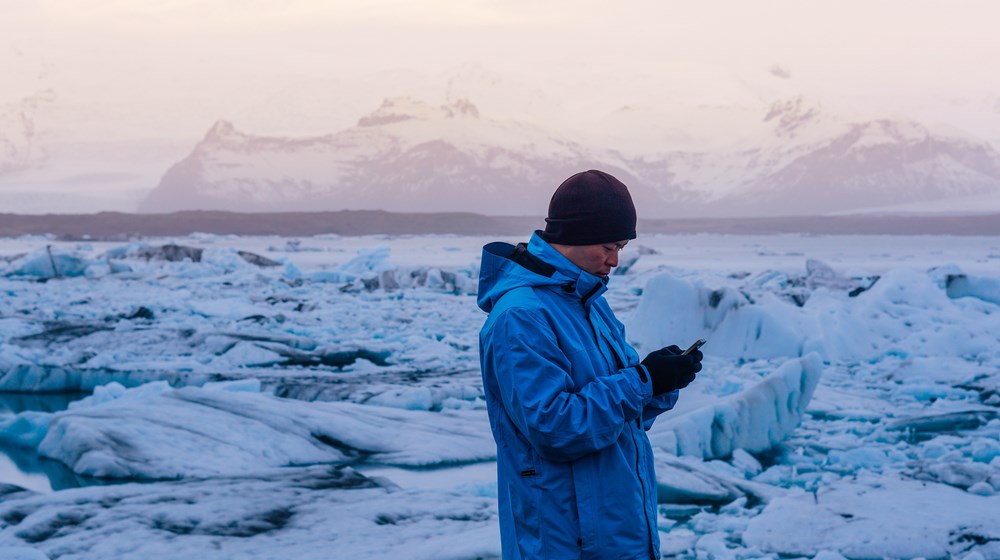
Before leaving ReykjavÃk or another town for a longer day outdoors, check three things: the forecast, the roads and current travel alerts. Use the Icelandic Met Office at vedur.is for forecasts and warnings, umferdin.is for road and traffic conditions, and SafeTravel for practical alerts and advice.
The SafeTravel app can be particularly useful for hiking and trekking because it can share your GPS location with 112 emergency services. For remote plans, tell someone where you are going and when you expect to return. Download maps before departure, because mobile coverage can be limited in valleys, mountains and sparsely populated areas.
Health care, insurance and medication
Travel insurance is strongly recommended, especially for self-drive trips, outdoor activities and journeys during winter or shoulder season. Check that your policy covers the activities you intend to book; some policies treat glacier travel, snowmobiling, horse riding and other adventure activities differently.
Travelers insured in the EEA, the United Kingdom or Switzerland should bring a valid European Health Insurance Card when eligible. It can provide access to medically necessary public health care under the applicable rules, but it does not replace travel insurance or automatically cover every service, cancellation or rescue-related cost.
Bring enough regular medication for the trip in its original packaging, together with a copy of the prescription where appropriate. Pharmacies are common in larger towns but are less frequent in rural areas and may have shorter opening hours.
Road and weather safety
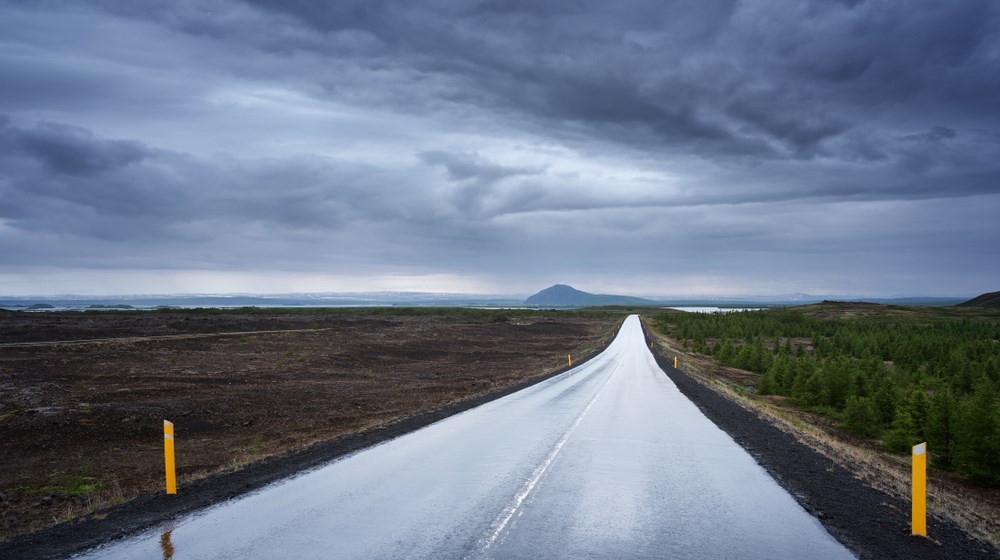
Weather has a direct effect on every road journey in Iceland. Wind, rain, snow, ice and poor visibility can turn an ordinary route into a slower and more demanding drive. Always check both the weather warning map and the road report before setting out, then check again if the journey is long or conditions are changing.
Do not treat the estimated time in a navigation app as a promise. Allow time for reduced speeds, rest stops and safe photo stops, and never stop in the traffic lane. In winter or strong winds, a sensible decision may be to delay the drive or change the route. Our Driving in Iceland and Weather in Iceland guides explain the planning details.
Nature safety by landscape
Iceland's natural attractions are often unfenced and exposed. That freedom is part of their appeal, but it makes personal judgment important. Stay on marked paths, follow local signs and keep behind ropes and barriers. A closure can reflect a changing hazard that is not obvious from where you are standing.
Black sand beaches and the ocean
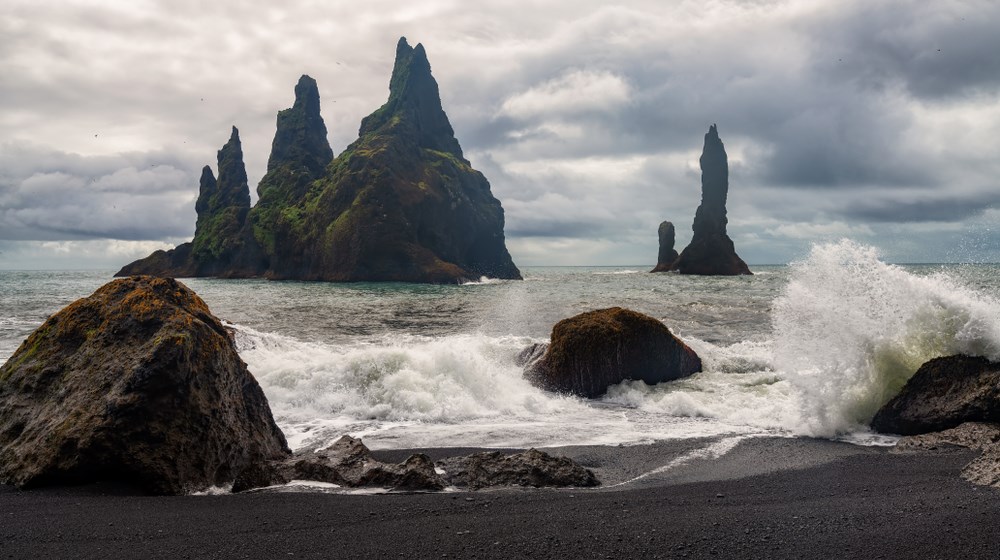
At Reynisfjara and other exposed beaches, keep well back from the water and never turn your back on the sea. Sneaker waves can travel much farther up the beach than the waves before them. Check warning lights where they are provided and do not climb onto wet rocks or sea stacks. There is no photo worth entering the surf or standing between the ocean and an obstacle.
Cliffs, waterfalls and rivers
Edges can be slippery, unstable or hidden by grass and snow. Stay inside marked viewing areas and supervise children closely. Do not wade into fast rivers or approach the lip of a waterfall for a better angle; currents and wet rock can be much stronger and more slippery than they appear.
Geothermal and volcanic areas
Remain on marked paths and boardwalks. Thin ground can cover boiling water or steam vents, and new volcanic terrain may remain hot or unstable. Conditions around active volcanic areas can change quickly, so check official access information on the day and respect every closure.
Glaciers and ice caves
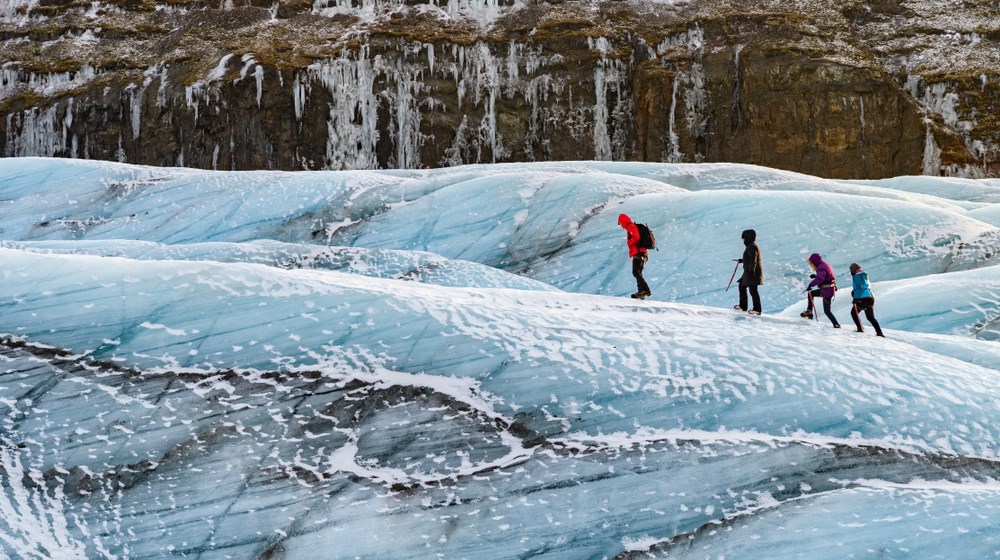
Never walk onto a glacier or enter an ice cave without appropriate professional guidance. Crevasses can be hidden, ice changes continuously and conditions can deteriorate quickly. Choose a qualified operator, follow the guide's instructions and use the safety equipment provided.
Hiking and remote travel
Choose a route that matches the least experienced person in the group. Check distance, elevation, river crossings, daylight and the return time before departure. Waterproof outer layers, warm insulation, sturdy footwear, water, food and a charged phone belong in even a simple day plan when you are away from services.
Turn back early if the weather worsens, visibility drops or progress is slower than expected. In Iceland, changing a plan is good judgment, not a failed day. When a trail requires specialist knowledge, glacier equipment or difficult river crossings, use an experienced local guide.
A simple safety checklist
- Save 112 and 1700: know which number fits an emergency and which provides health advice.
- Check official information: review weather, roads and SafeTravel alerts before driving or hiking.
- Respect closures and barriers: never cross them for a shortcut, view or photograph.
- Dress in layers: carry waterproof outerwear and more warmth than the forecast alone suggests.
- Share your plan: tell someone your route and expected return time for remote outings.
- Protect your battery: keep the phone charged and carry a power bank on longer days.
- Stay flexible: delay, shorten or change the route when conditions call for it.
Frequently asked questions about health and safety in Iceland
Call 112 for police, fire, ambulance or search-and-rescue assistance. The service operates around the clock. You can also use the 112 Iceland app or the web chat on 112.is.
Call 1700 for health advice from a nurse and guidance on the right clinic or service. For a serious or rapidly worsening condition, call 112.
Yes. The 112 Iceland app provides another way to contact emergency services, while the SafeTravel app offers travel information and can share a hiker's GPS location with 112.
Check the official forecast at vedur.is, road conditions at umferdin.is and current alerts on SafeTravel. Review them again during a long day because conditions can change quickly.
They can be. Sneaker waves may reach much farther up the shore than expected. Stay well back, watch the warning lights, never turn your back on the ocean and follow every closure.
No. Glaciers contain hidden crevasses and constantly changing ice. Join a qualified guide and use the specialist equipment provided.
It is strongly recommended. Confirm that the policy covers your planned activities, medical needs, disruption and self-drive itinerary. An EHIC does not replace comprehensive travel insurance.
Yes. Eligible travelers from the EEA, the United Kingdom or Switzerland should bring a valid European Health Insurance Card, while remembering that it does not cover every service or replace travel insurance.
Read more
Continue planning with these practical Travel Guide articles.