Geysir
Geysir is the geothermal stop that turns the Golden Circle from a scenic drive into something alive: boiling pools, sulphur steam, a world-famous name and Strokkur launching water into the air while people wait with cameras ready.
Quick guide to Geysir
| Location | Haukadalur valley in South Iceland, on the Golden Circle between Thingvellir and Gullfoss |
| Best for | First-time Iceland travellers, Strokkur eruptions, Golden Circle tours, geology, photography and easy route planning |
| Nearby places | Gullfoss, Thingvellir, Laugarvatn, Kerid, Bruarfoss and Langjokull add-ons |
| Typical visit time | 45 minutes to 1.5 hours for the geothermal area; longer if adding lunch, shopping, bathing or glacier activities |
| Best season | Year round; winter gives more visible steam but paths can be icy |
| Good to know | Great Geysir itself is mostly quiet today, while nearby Strokkur is the reliable eruption most visitors watch. Stay behind ropes and marked paths. |
| Coordinates | 64.3104,-20.3024 |
The name that became a word: Great Geysir and Haukadalur
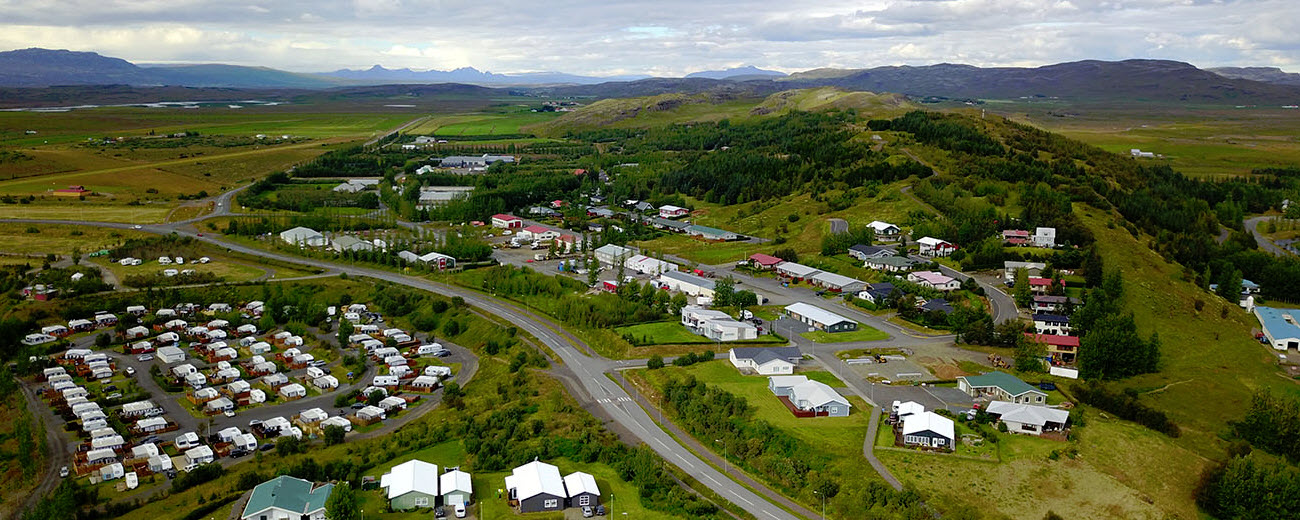
Geysir is more than a hot spring stop. It is the Icelandic place-name that gave the world the English word "geyser", and that makes the Haukadalur geothermal area one of the rare Icelandic sights whose influence reaches far beyond Iceland travel.
The name comes from the Icelandic idea of gushing or bursting forward, which is exactly what travellers hope to see. Great Geysir is the historic name, the old celebrity, the source of the word. The wider visitor area is Haukadalur, a compact geothermal field with boiling pools, steaming vents, mineral colours and the famous erupting neighbour Strokkur.
For sales and planning, that distinction matters. Travellers often say they want to "see Geysir", but the dependable show is usually Strokkur. A good Golden Circle tour explains both: the history of Great Geysir and the present-day theatre of the geothermal area.
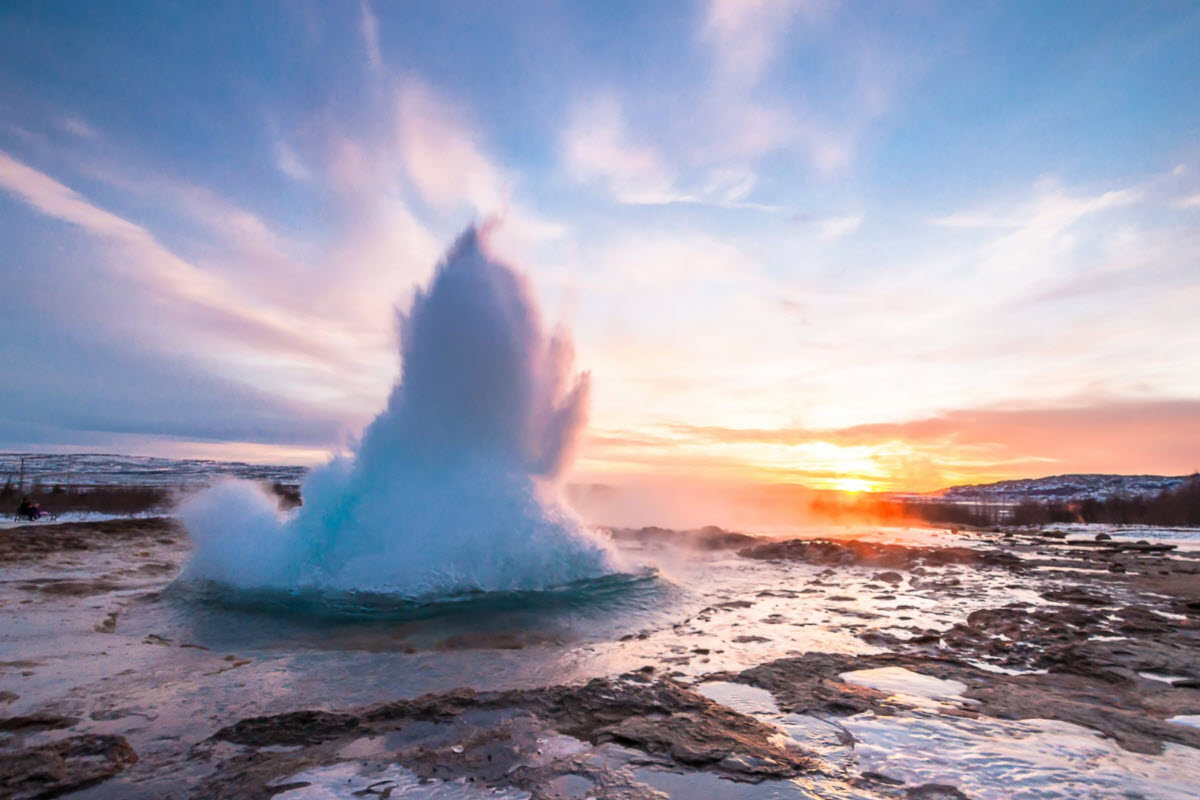
Geysir is strongest when it is treated as the heart of Haukadalur, not just a quick photo stop.
Strokkur is the eruption most visitors actually see
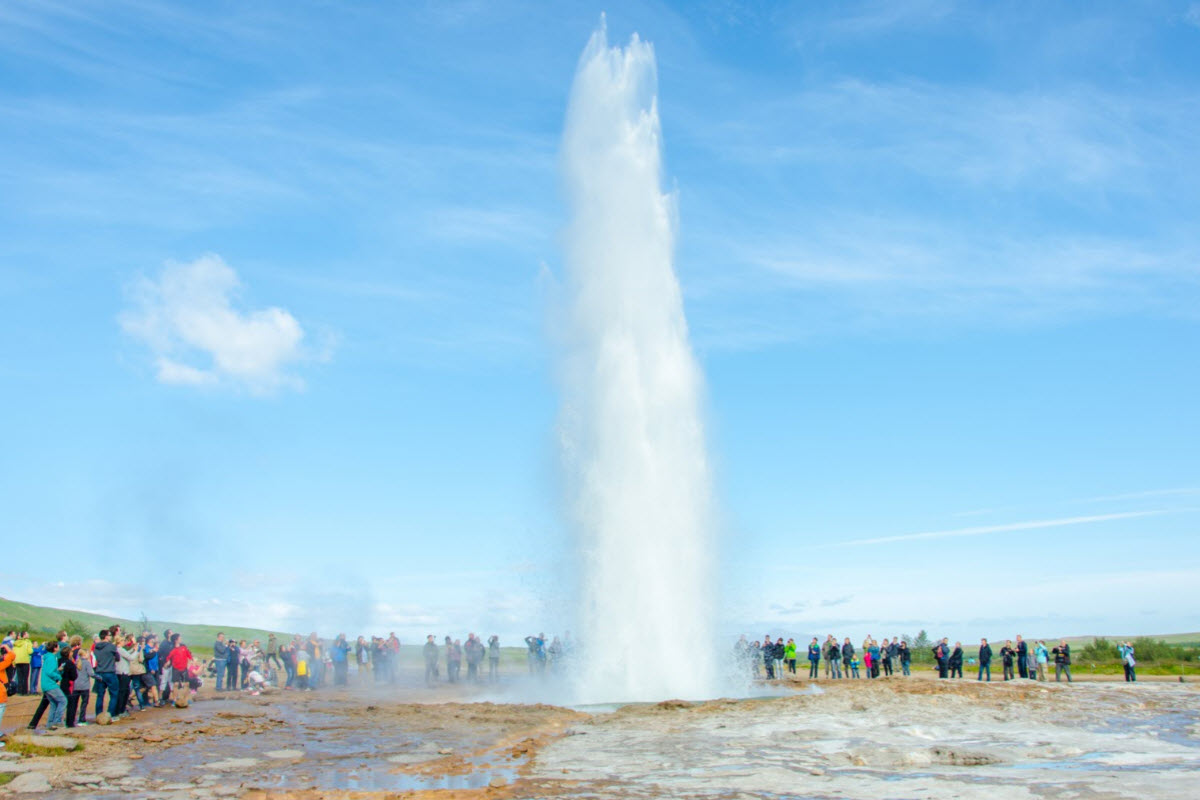
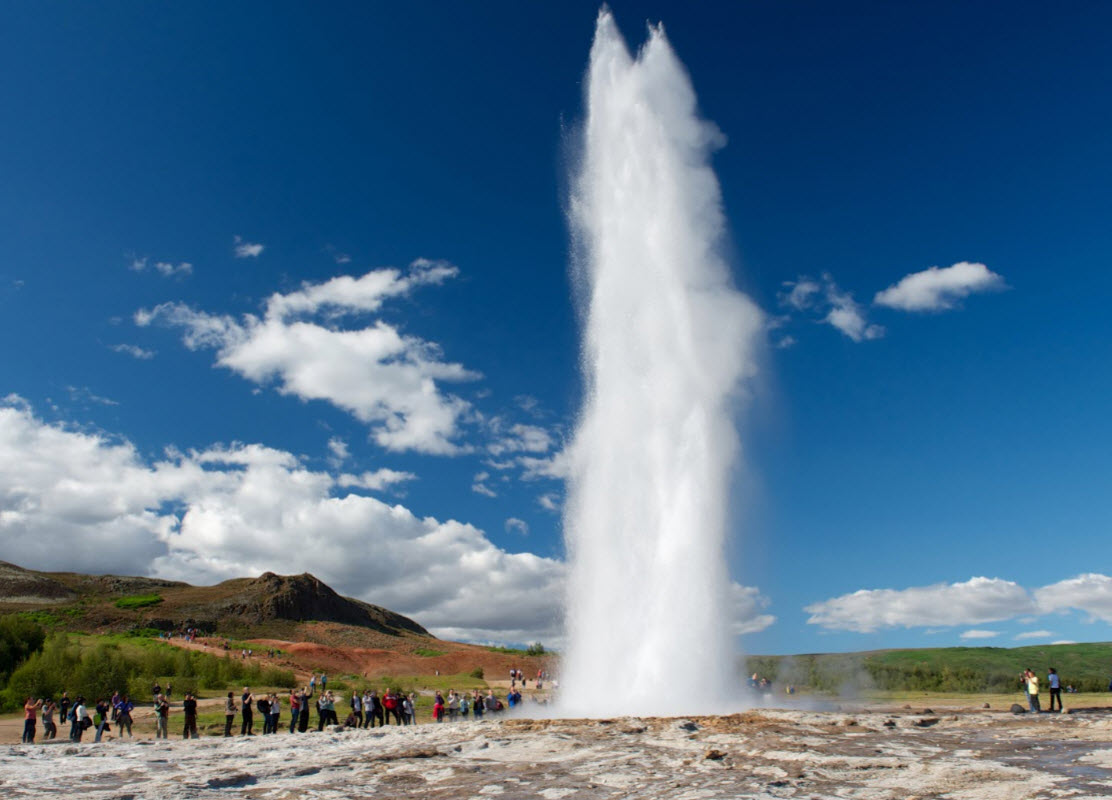
Strokkur sits close to Great Geysir and is the reason the stop feels immediately rewarding. It erupts frequently enough that most visitors can see the cycle without building the whole day around one uncertain moment: the pool gathers, breathes, swells into a blue dome, then bursts upward in a white column of hot water and steam.
That waiting rhythm is part of the fun. People gather, miss one eruption because they looked away, laugh, reset their cameras and wait for the next one. It gives the Golden Circle a live moment that photos alone cannot quite sell.
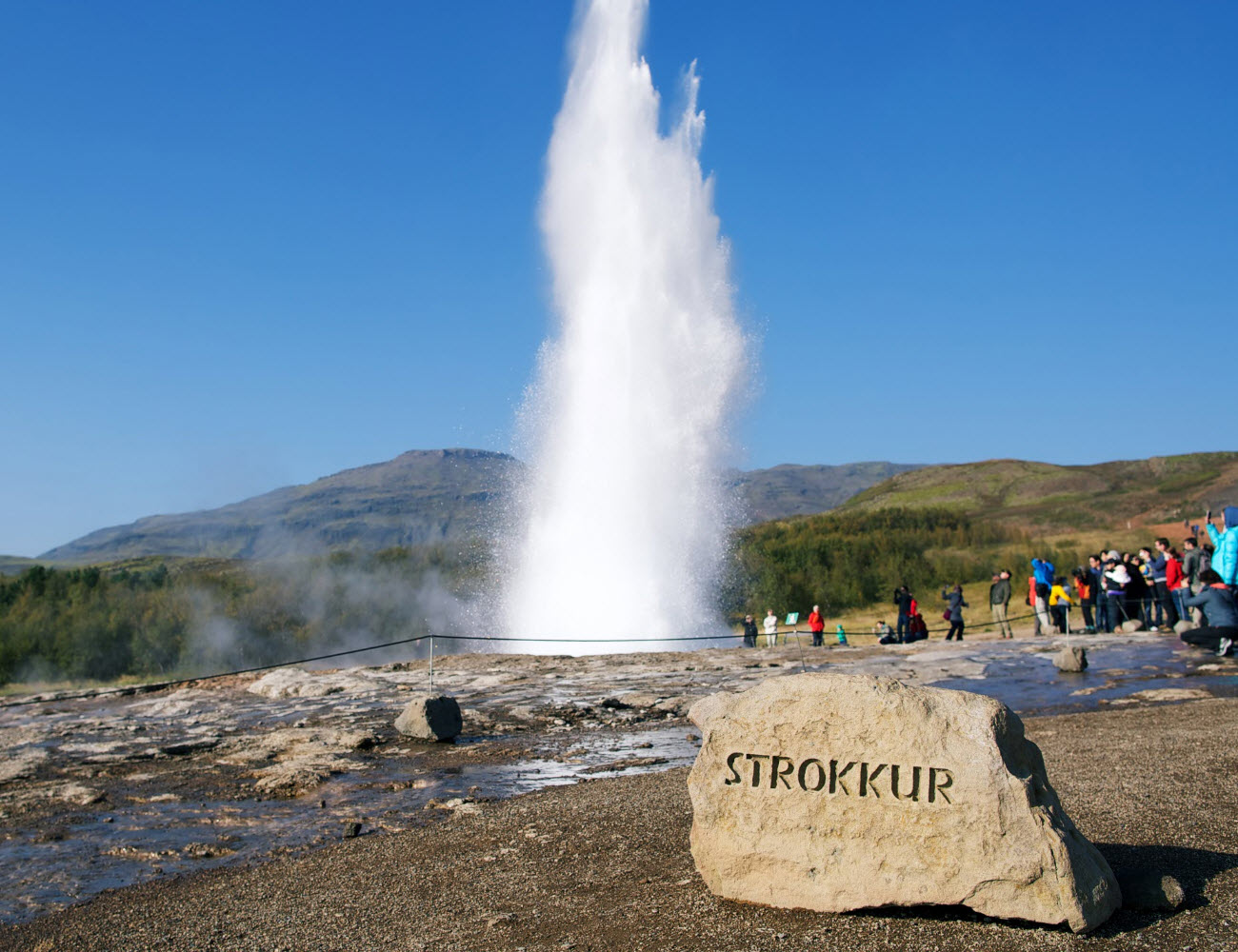
Strokkur supplies the reliable eruption that most travellers associate with Geysir today.
Why Geysir became the living heart of the Golden Circle
The classic Golden Circle has three natural anchors: Thingvellir for rift valley and national history, Geysir for geothermal power and Gullfoss for waterfall drama. Geysir is the middle chapter, and it changes the day from scenery into visible earth energy.
That is why Geysir is one of the easiest Iceland places to sell well. It works for first-time visitors, families, photographers, cruise guests, winter travellers and people with one full day from Reykjavik. It is also flexible: some people want the simplest Golden Circle minibus tour, while others add Secret Lagoon, Laugarvatn Fontana, Fridheimar, Kerid or Langjokull snowmobiling.
For most first-time visitors, the safest recommendation is Golden Circle Minibus Tour from Reykjavik. For travellers who want the day to feel richer, push them toward bathing, food or glacier add-ons rather than another rushed roadside stop.
A geothermal field shaped by time, earthquakes and changing pressure
Geysir has never been a static attraction. Medieval records, earthquake activity, periods of stronger eruptions and long quiet stretches all belong to the story. Great Geysir has gone through phases when it erupted dramatically and phases when it was almost inactive. That uncertainty is part of why Strokkur now carries the visitor experience.
Geothermal areas are sensitive systems. Water, heat, mineral deposits and underground pathways all matter. Earthquakes can change how water moves below the surface, while mineral build-up can change the behaviour of the vent. Geysir is therefore not only a "hot water fountain"; it is a visible surface expression of Iceland's restless geology.
This is a good place to connect with broader Iceland nature content: tectonic plates at Thingvellir, volcanic landscapes on Reykjanes, geothermal bathing in natural pools, and glacier-fed water at Gullfoss. The Golden Circle works because those stories sit close enough for one day but feel completely different from each other.
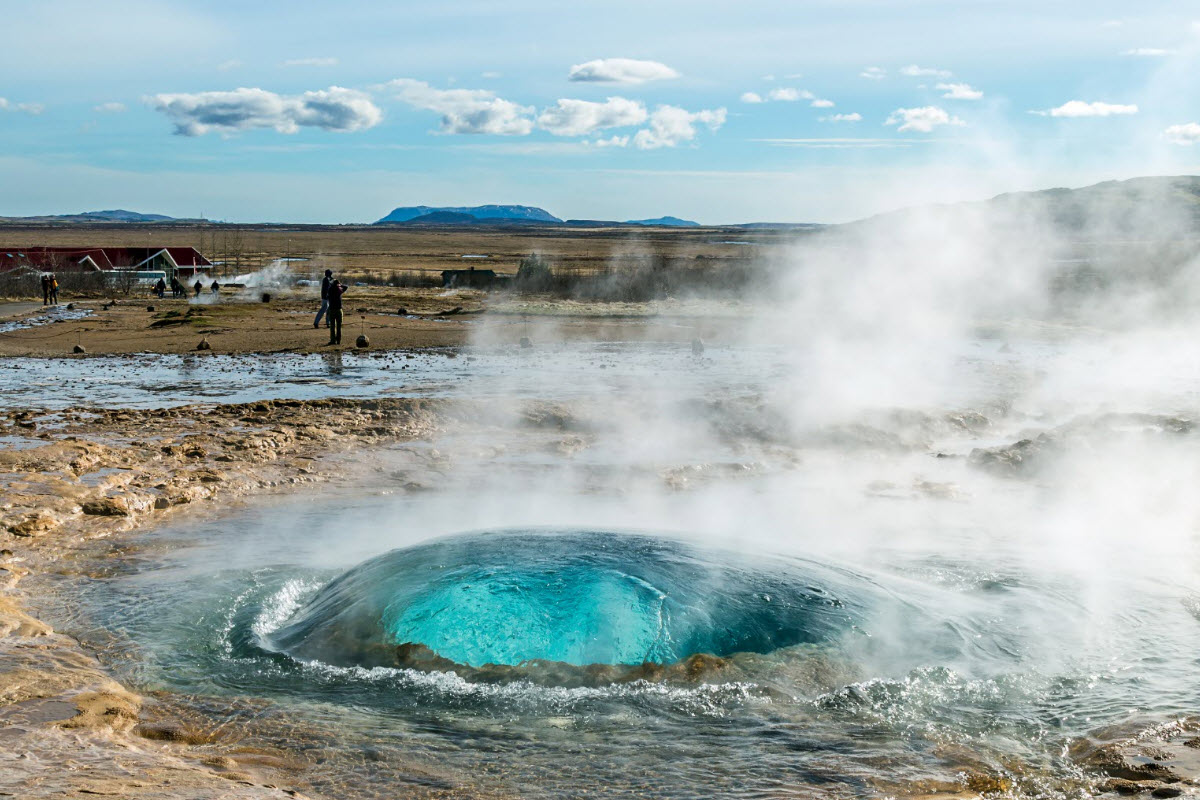
Cool air often makes the steam more visible, while winter paths require more care.
A better Geysir stop: watch, wander and do not rush away
Many visitors make the same mistake: they arrive, watch one Strokkur eruption, take a photo and leave. A better visit gives the area a little rhythm. Walk the marked paths, read the landscape, watch at least two eruptions and leave room for the weather to shape the mood.
In summer, the area is easy to fold into a longer day with Kerid, Bruarfoss or bathing. In winter, it is especially atmospheric, but paths can be icy and wind can push steam across the viewing areas. Stay behind barriers, keep children close and never test the water or step off the marked route around boiling pools.
Turn Geysir into a day people remember
The best Geysir page should sell choices, not only facts. The traveller who wants an easy first Iceland day should choose a classic Golden Circle tour. The traveller who wants something warmer should add Secret Lagoon or Laugarvatn Fontana. The traveller who wants a special story should add Fridheimar or a private route. The traveller who wants impact should add Langjokull snowmobiling.
That is the real booking value of Geysir. It is famous enough to attract the search, simple enough to include in almost any itinerary, and flexible enough to point travellers toward the right product once they understand what kind of day they want.
Choosing the right Golden Circle tour for Geysir
Geysir is included on many Golden Circle routes. The best choice depends on whether the visitor wants a simple first visit, a smaller group, geothermal bathing, food, private pacing or glacier adventure.
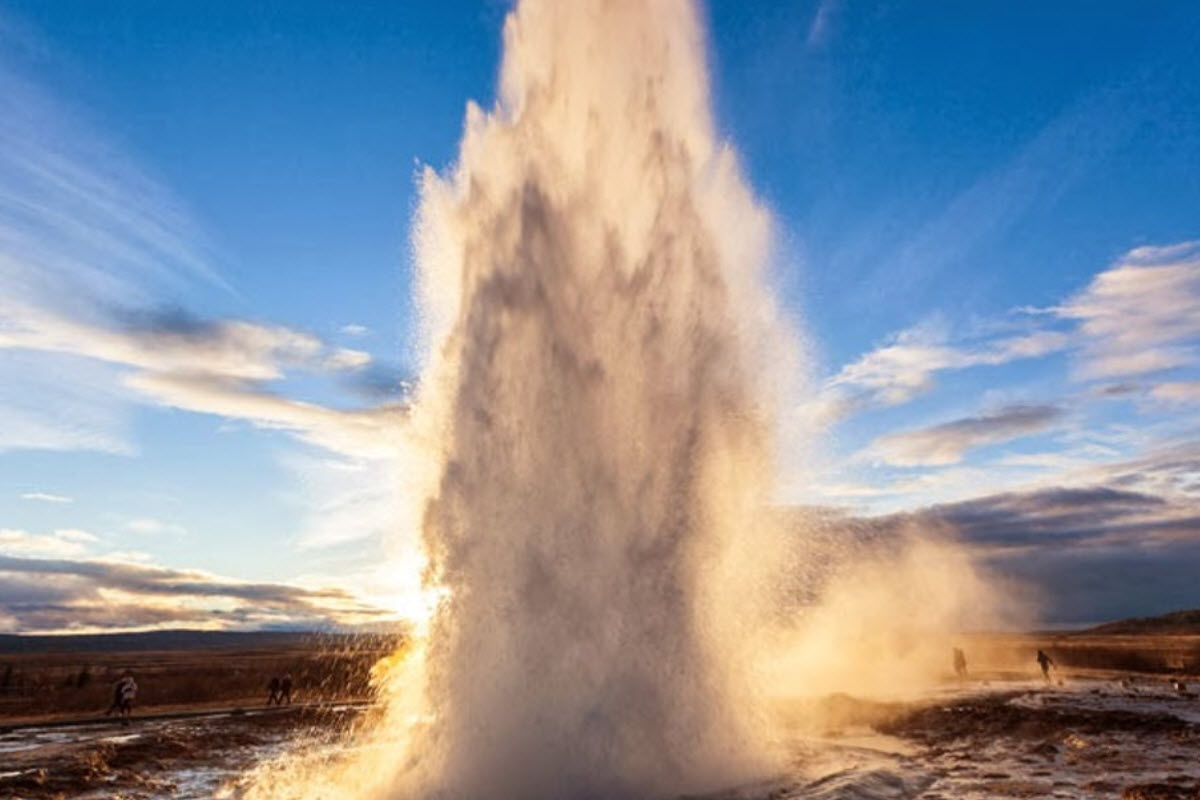
The clean first-choice route for Geysir, Gullfoss and Thingvellir without self-driving.
A compact small-group version when visitors want the classic loop with less bus-tour feeling.
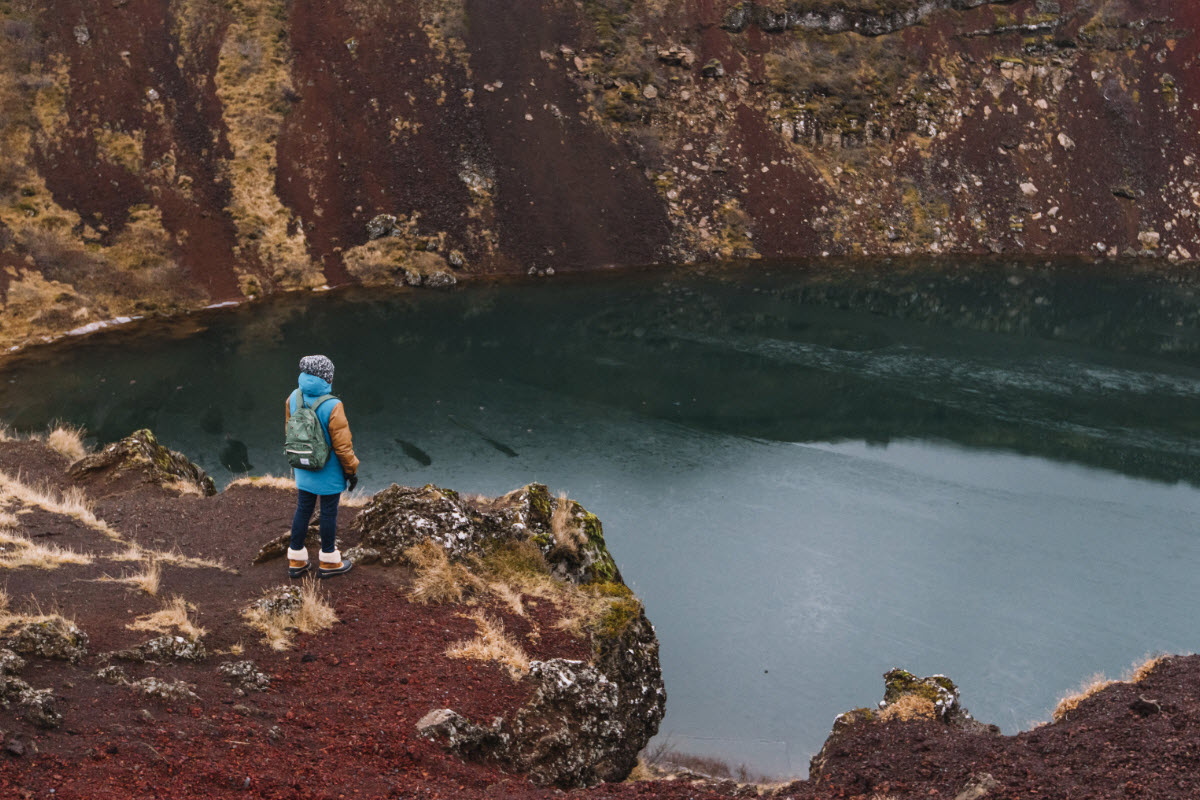
Best when the geyser stop should lead into geothermal bathing and a crater extension.
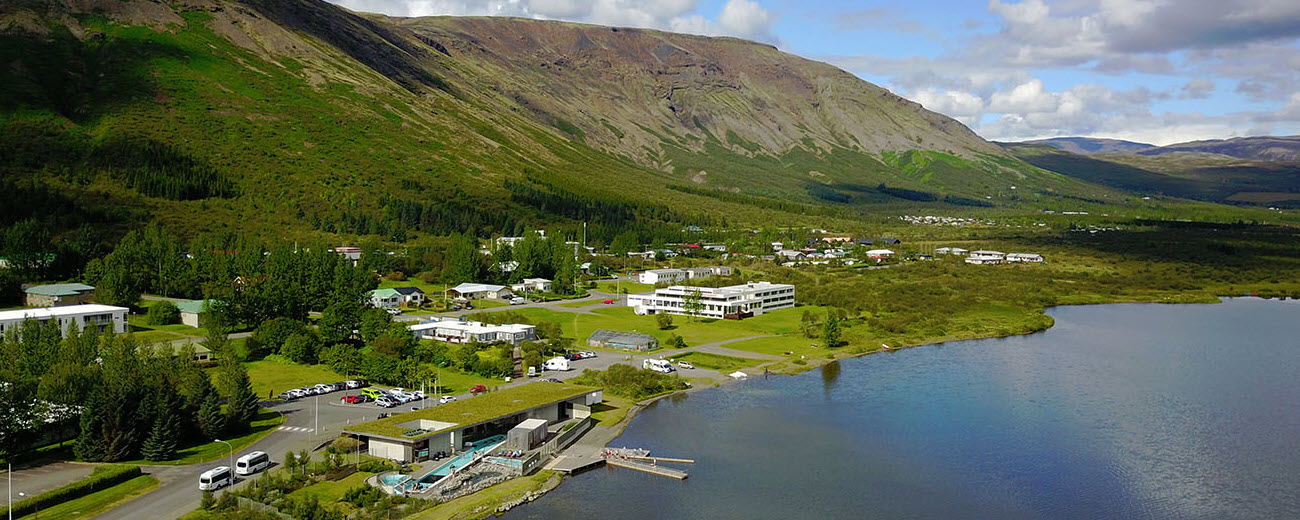
A softer lake-country route with Geysir, Gullfoss, Thingvellir and geothermal bathing.
A stronger countryside version with classic sights, Kerid and a food-focused stop.
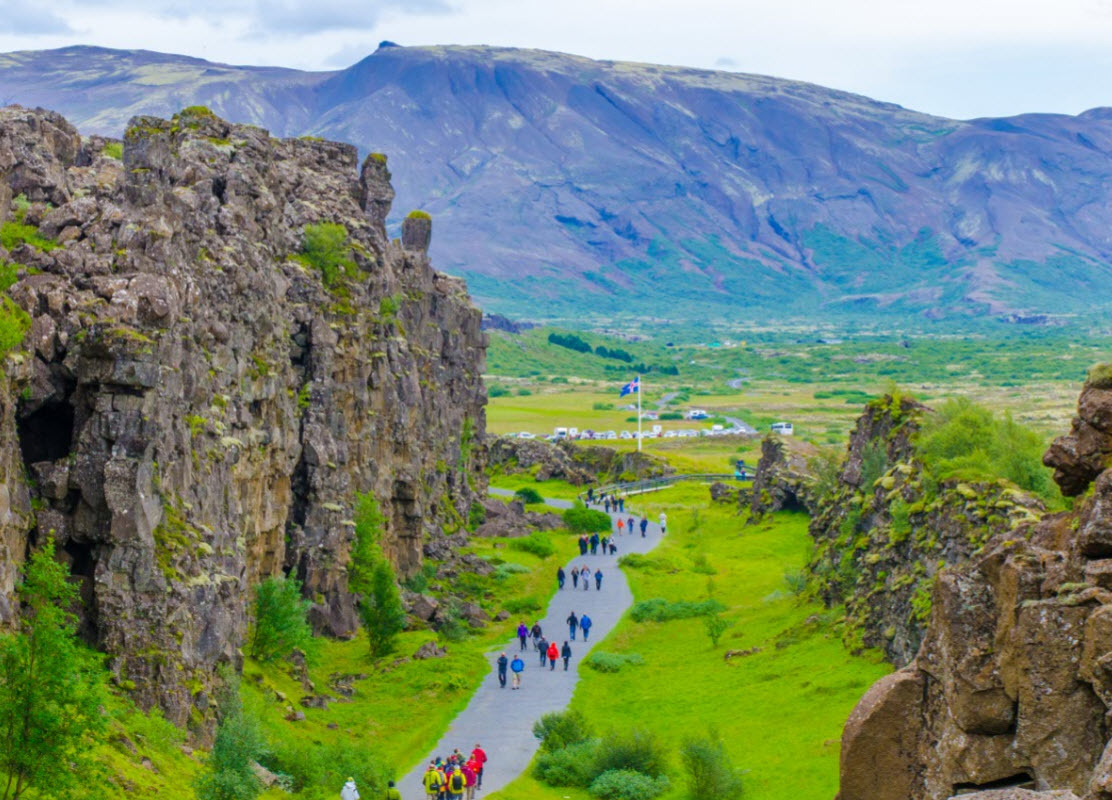
Best for flexible timing, family pace, photography and extra time at Geysir or Gullfoss.
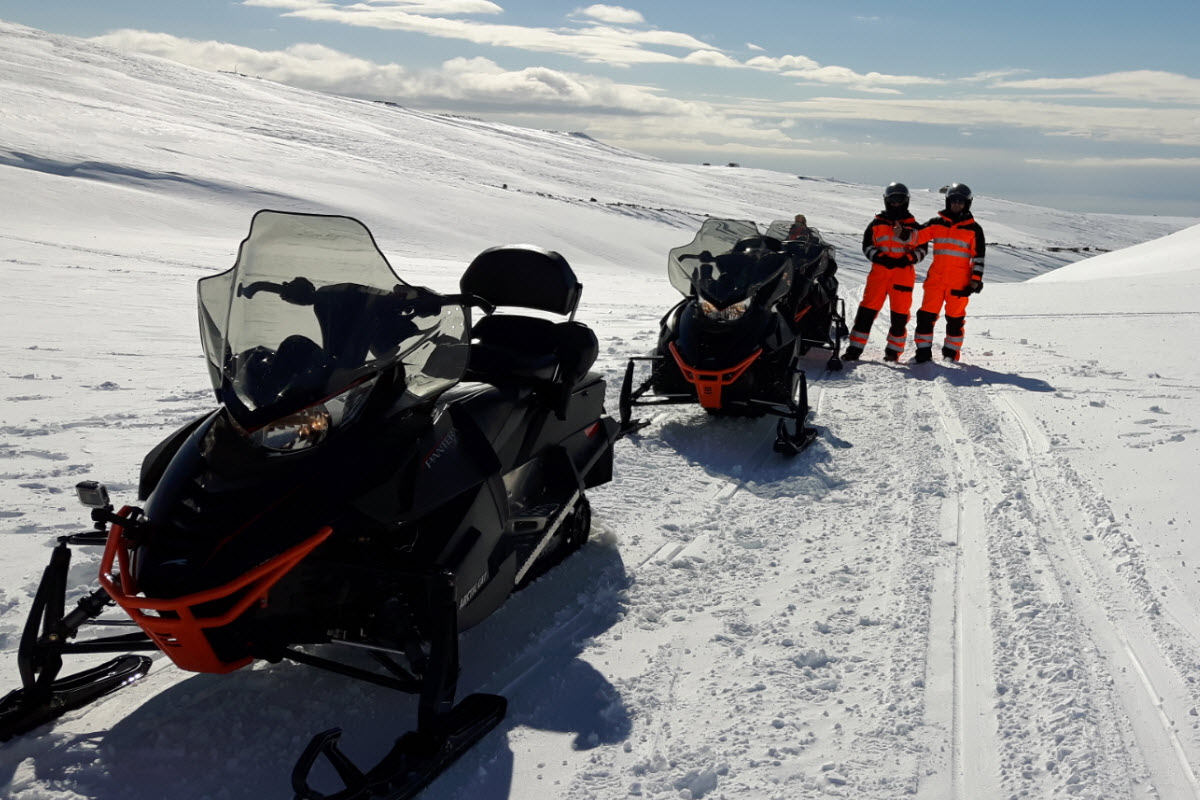
A practical add-on when travellers are already near Geysir and want Langjokull adventure.
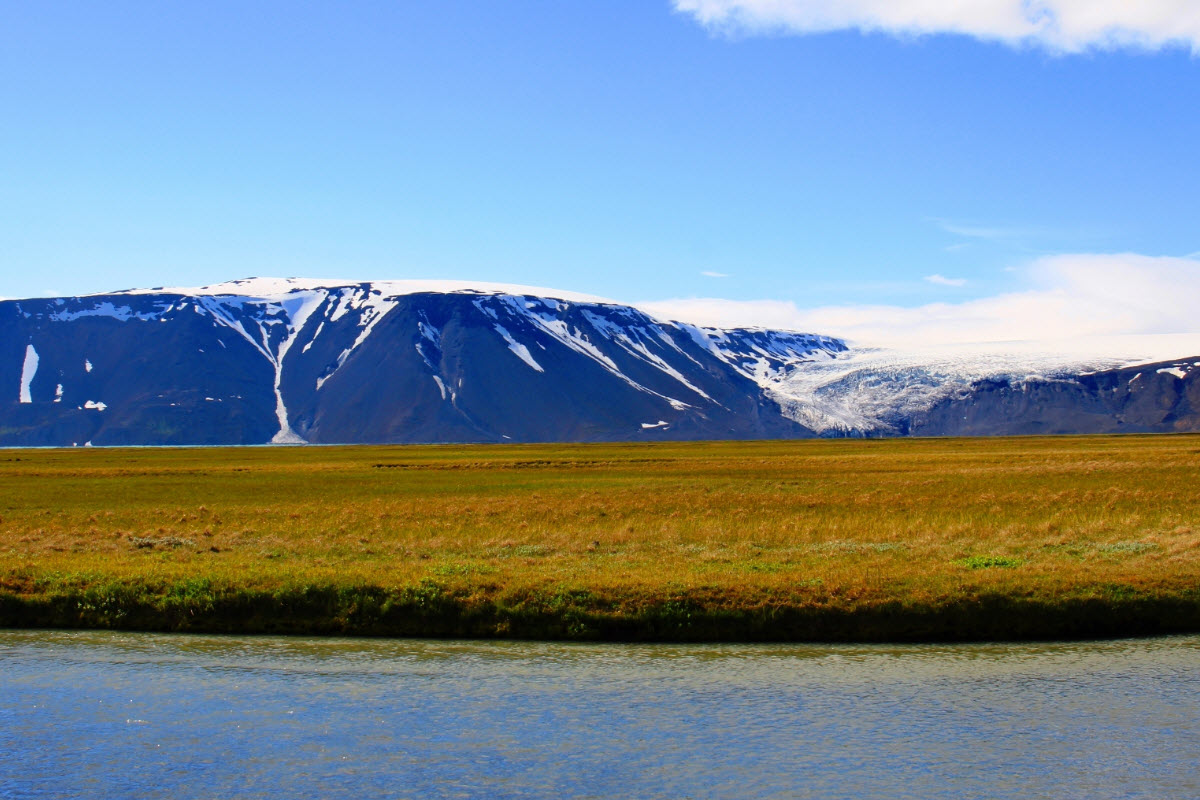
A full Reykjavik-based route that turns the classic Golden Circle into a glacier day.
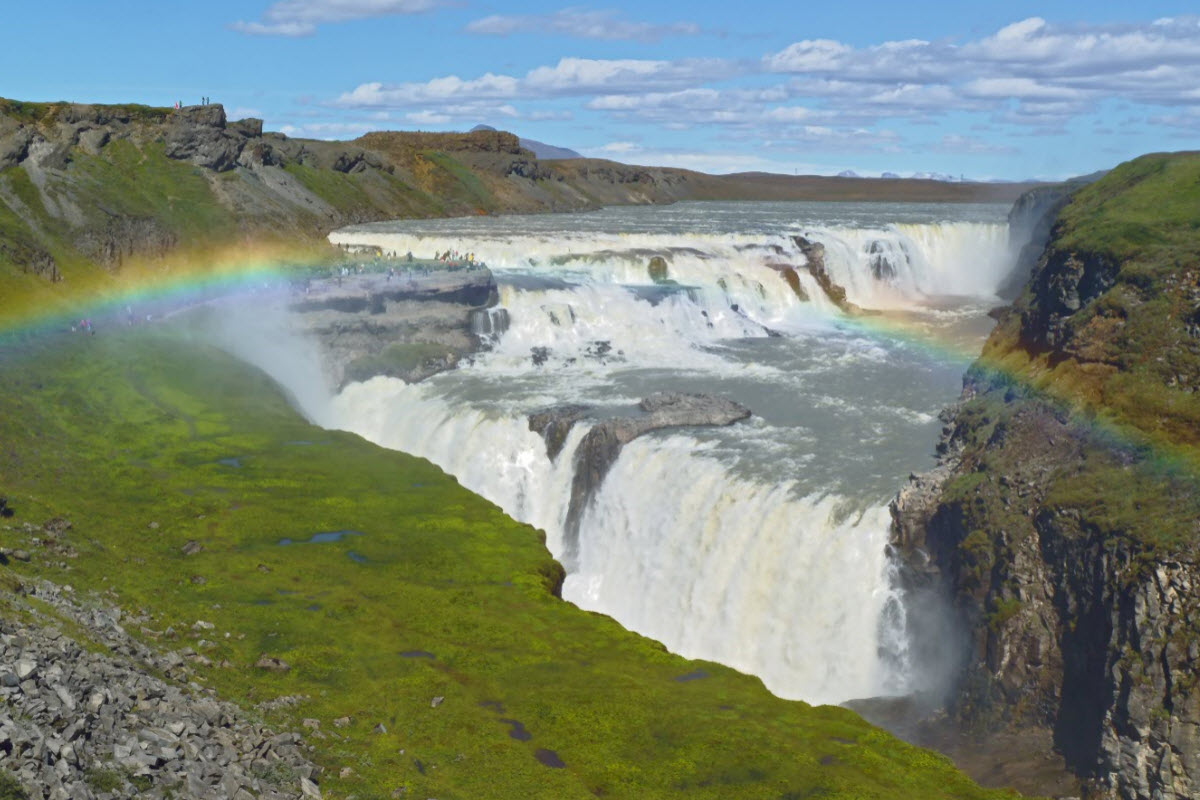
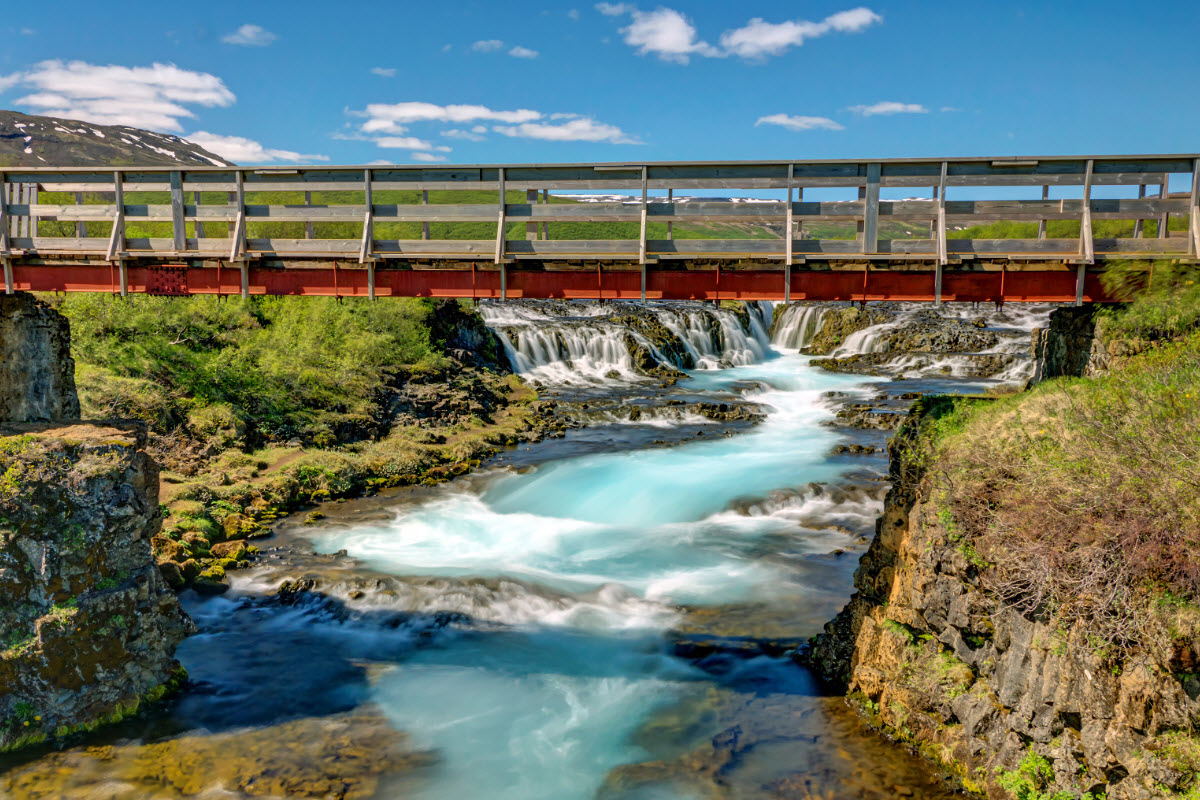
Golden Circle places to pair with Geysir
Geysir works best when the day is shaped around nearby classic sights and one intentional add-on.
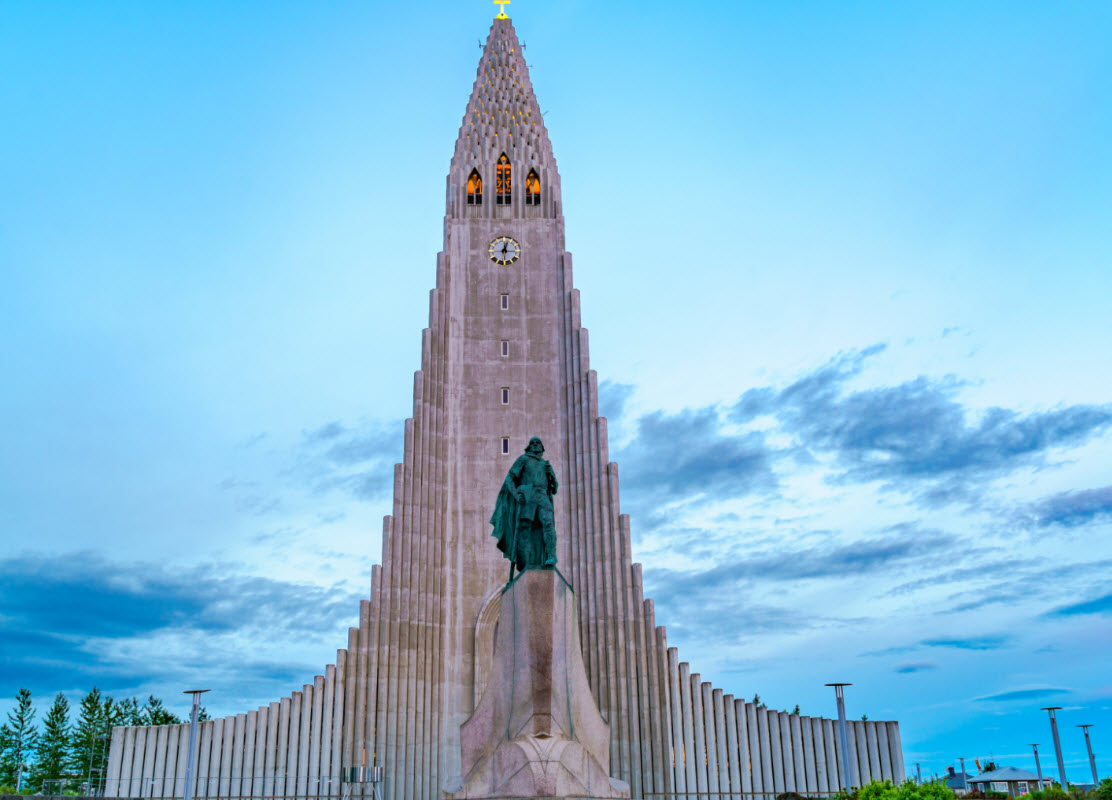
Best bases for visiting Geysir
These bases work for guided Golden Circle departures, slower countryside routes and overnight planning.
Geysir route ideas that avoid the checkbox feeling
Use Geysir as the live geothermal centre of the day, then choose one extra layer that matches the traveller.
Classic Golden Circle from Reykjavik
Start with Thingvellir, continue to Geysir and finish with Gullfoss, or book the Golden Circle Minibus Tour for the simplest version.
Golden Circle with bathing
Add Secret Lagoon and Kerid or Laugarvatn Fontana when travellers want hot water as part of the day.
Geysir and Langjokull adventure
Use Glacier Snowmobiling from Geysir Area or a Golden Circle and Langjokull Glacier route for a high-impact add-on.
Private flexible Golden Circle
Private Golden Circle Tour is best when photography, children, winter weather or a slower pace matter.
FAQ about Geysir, Strokkur and the Golden Circle
Is Geysir worth visiting?
Yes. Geysir is one of the classic Golden Circle stops and the best easy-access place in Iceland to watch an erupting geyser area. The reliable eruption is usually Strokkur, while Great Geysir gives the historic name and story.
Does Geysir still erupt?
Great Geysir erupts only rarely today. Nearby Strokkur erupts frequently and is the feature most visitors watch when they visit the Geysir geothermal area.
How often does Strokkur erupt?
Strokkur usually erupts every few minutes. Conditions vary, so plan to wait through more than one cycle rather than arriving for only a single photo.
What is the best Geysir tour?
For most first-time visitors, the Golden Circle Minibus Tour from Reykjavik is the simplest choice. Choose Private Golden Circle Tour for flexible timing, or add Secret Lagoon, Fontana or Langjokull if you want a bigger day.
Is Geysir part of the Golden Circle?
Yes. Geysir is one of the three main Golden Circle sights, together with Thingvellir and Gullfoss.
How long do you need at Geysir?
Plan about 45 minutes for a simple visit, or 75-90 minutes if you want to walk the area, watch more than one Strokkur eruption and use the nearby services.
Can you visit Geysir in winter?
Yes. Geysir is a year-round Golden Circle stop. Winter steam can be dramatic, but paths may be icy, daylight is shorter and guided tours are often easier when weather is uncertain.
Can you swim at Geysir?
No. The geothermal pools are boiling and dangerous, and swimming is not allowed. For bathing, choose nearby Golden Circle options such as Secret Lagoon, Laugarvatn Fontana or Laugaras Lagoon tours.
Is Geysir close to Gullfoss?
Yes. Geysir and Gullfoss are close enough that most Golden Circle tours and self-drive routes include both on the same day.
What should I combine with Geysir?
Combine Geysir with Thingvellir, Gullfoss, Kerid, Bruarfoss, Laugarvatn, Secret Lagoon, Fridheimar or Langjokull snowmobiling depending on the style of day you want.
Is Geysir good for families?
Yes, as long as children stay close and remain behind marked barriers. Strokkur is a memorable natural show and the walking distances are manageable.
Do you need a 4x4 to visit Geysir?
No, not in normal road conditions. The classic Golden Circle roads are ordinary roads, but winter weather can still affect driving. Check road and weather conditions or choose a guided tour.
Why is it called Geysir?
The name is linked to the Icelandic word for gushing or rushing forward, and Geysir gave the English word "geyser" to similar erupting hot springs around the world.
Is Geysir better self-drive or guided?
Self-driving works well in good conditions, but guided tours are better for first-time visitors who want context, winter travellers who do not want to drive, and anyone who wants the day paced around the main sights.
Sunset at the Geysir Geothermal area
Strokkur hot springs erupts every 10 minutes
Geysir is one of the most famous hot springs in the world
Strokkur hot spring spouts water about 30 meters high in the air
The Geothermal area in Haukadalur valley