Mink in Iceland
Mink is part of the family of Mustelidae and the kind that lives in Iceland belongs to the North American Mink called Mustela Vison. This kind used to be popular for breeding because of the fur, that was used in clothing.
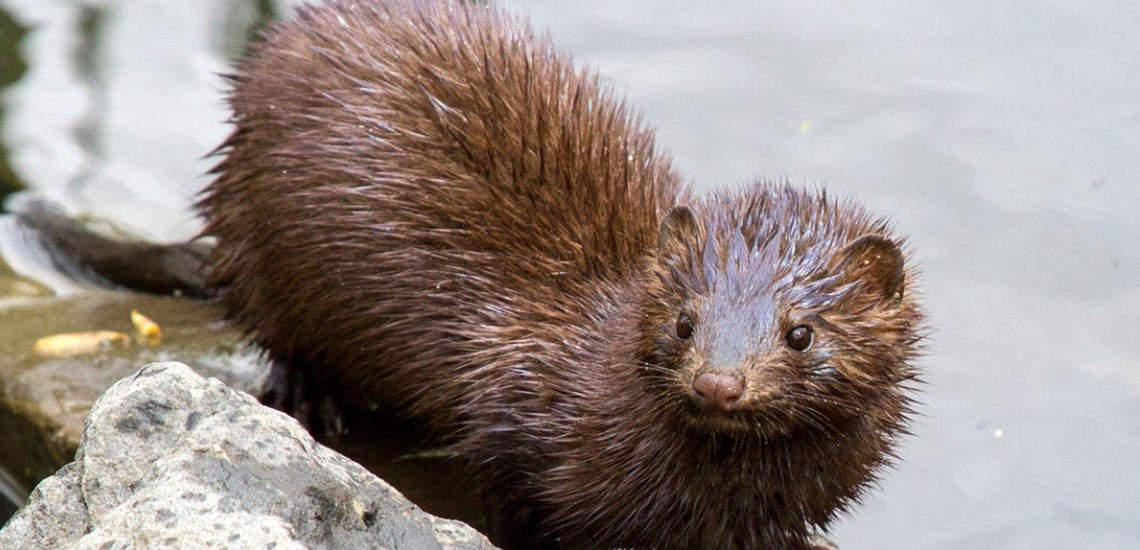
American mink are part of Iceland's wildlife story, but not in the same way as the Arctic fox, seals or puffins. They were brought to Iceland for fur farming in 1931, escaped into the wild and are now widespread. For travellers, a mink sighting is an occasional extra along a river, wetland or sheltered coast — never a guaranteed wildlife experience.
Quick guide to mink in Iceland
| Species | American mink (Neogale vison; often listed as Mustela vison) |
|---|---|
| Status | Introduced invasive species in Iceland |
| Where they live | Rivers, lakeshores, wetlands, coastal edges and other places with cover and water |
| Best chance of a sighting | Quiet early-morning or evening walks near water; sightings are uncommon and unpredictable |
| Good to know | Do not approach, feed or try to follow a mink. Give any wildlife space and avoid disturbing nesting birds. |
Why mink are found in Iceland
Mink were imported from Norway in 1931 for fur farming. Escapees established a wild population and proved highly adaptable in Iceland's rivers, wetlands and coastlines. The American mink is now classed as an invasive species in Iceland because it can affect native birdlife and other parts of local ecosystems.
How to recognise a mink
A mink is a small, low-slung member of the weasel family with short legs, a long body and a dark brown coat. It often moves quickly along banks or through vegetation, so many sightings are brief. Adults have a body length of roughly 35–42 cm; males are usually noticeably larger than females.
Where a mink sighting is most likely
Mink favour places where water and cover meet: stream banks, lake edges, marshy ground, harbours and rocky shorelines. Areas rich in birdlife can also be sensitive habitat, so a sighting should remain a quiet observation rather than a reason to leave paths or approach the water's edge.
Mink and Icelandic nature
Unlike the Arctic fox, which is Iceland's only native land mammal, mink were introduced by people. They are skilled swimmers and divers, and their diet can include fish, eggs, chicks and small animals. That adaptability is why wildlife managers treat them as an invasive species.
Plan a responsible wildlife day
For more dependable wildlife experiences, plan around habitats rather than trying to find mink. A Lake Mývatn day works well for wetlands and birdlife, while the Westfjords offer remote coastal scenery and guided wildlife travel. If you spot a mink, enjoy the moment from a distance and continue without disturbing the shoreline.
Tours that pair well with a wildlife-focused trip
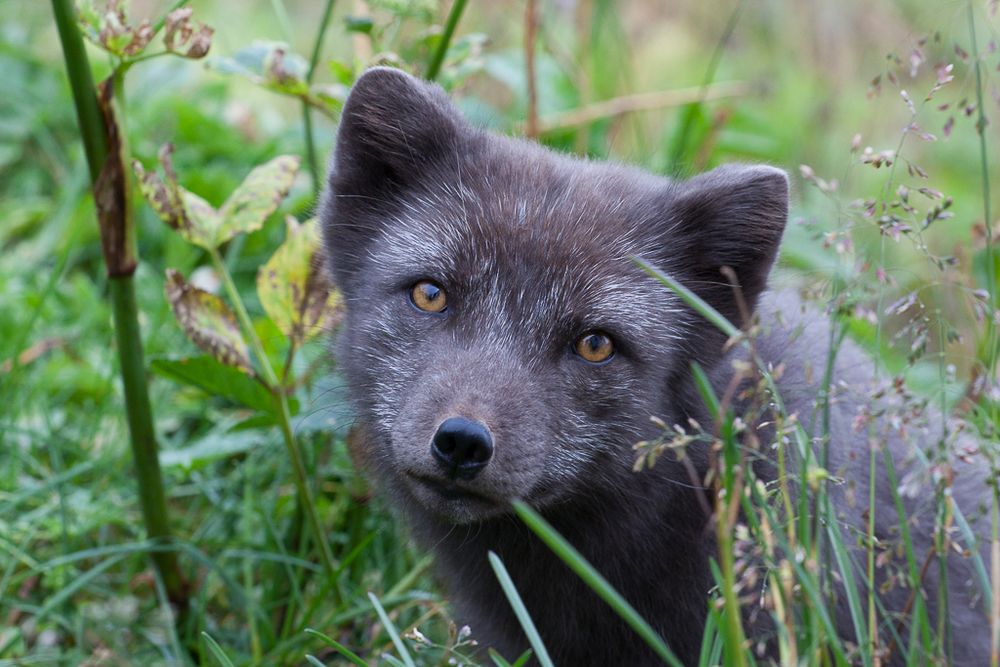
A Westfjords boat day into Hornstrandir for coastal habitat and Arctic fox possibilities.
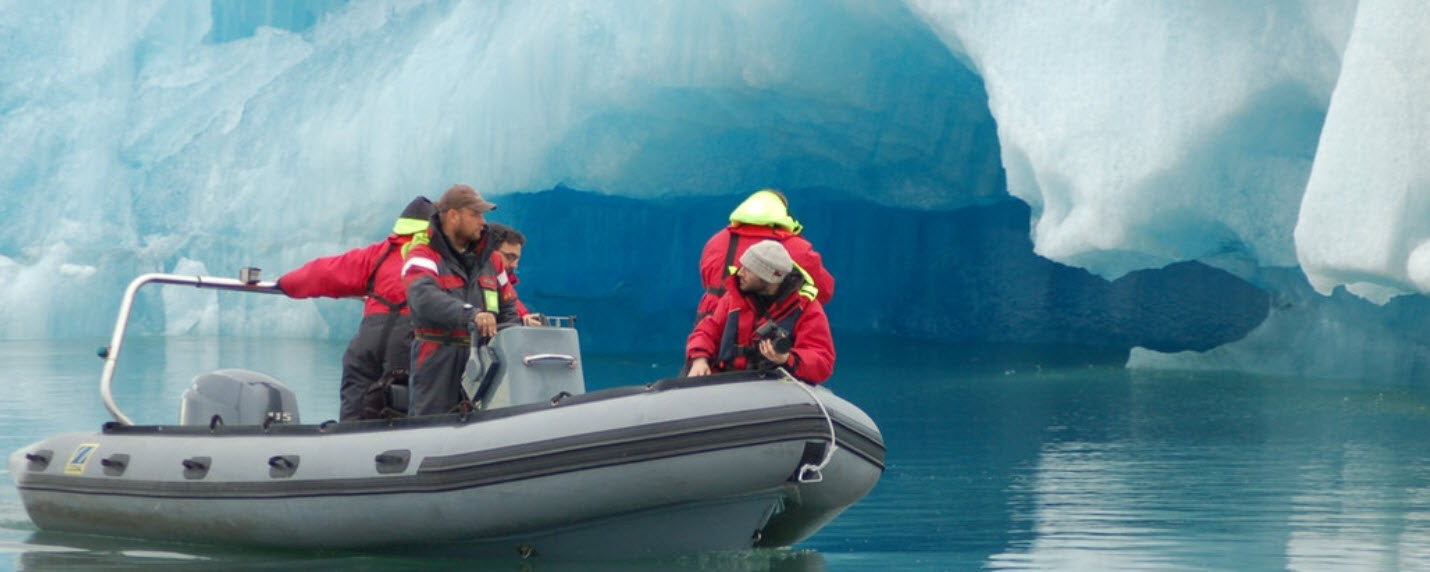
A faster on-the-water option for exploring the lagoon; wildlife sightings are a welcome extra.
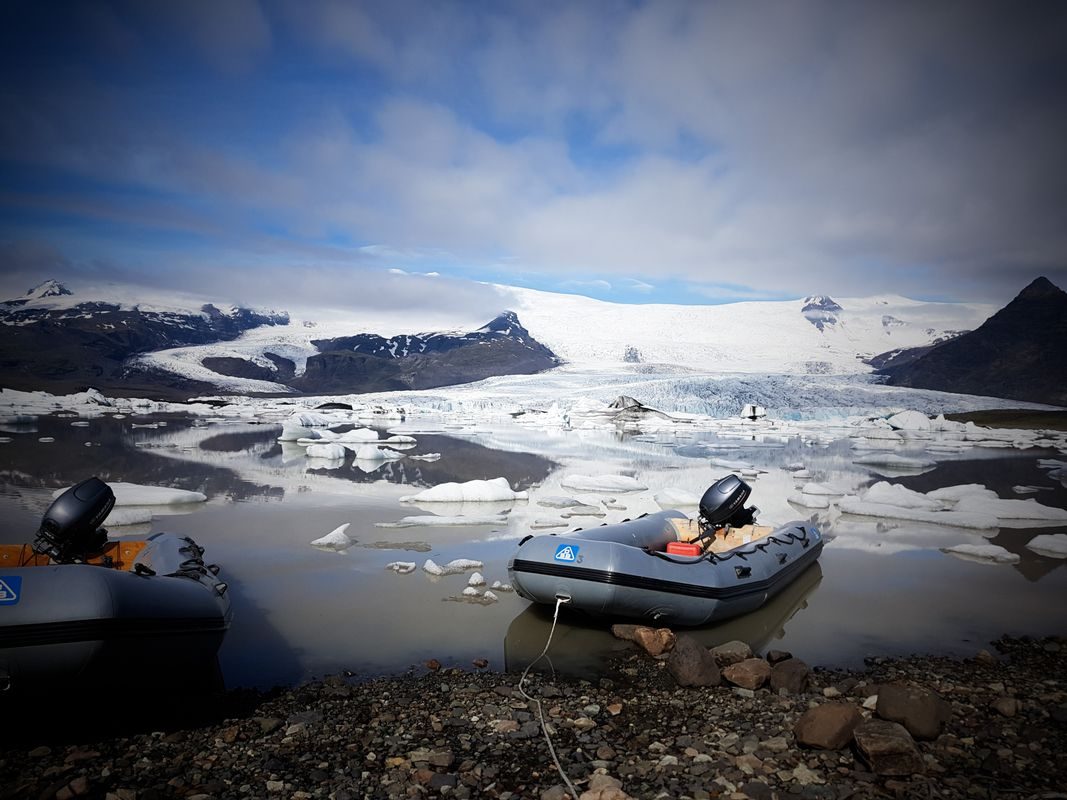
A quieter nearby glacier-lagoon experience for a South Coast and Vatnajökull itinerary.
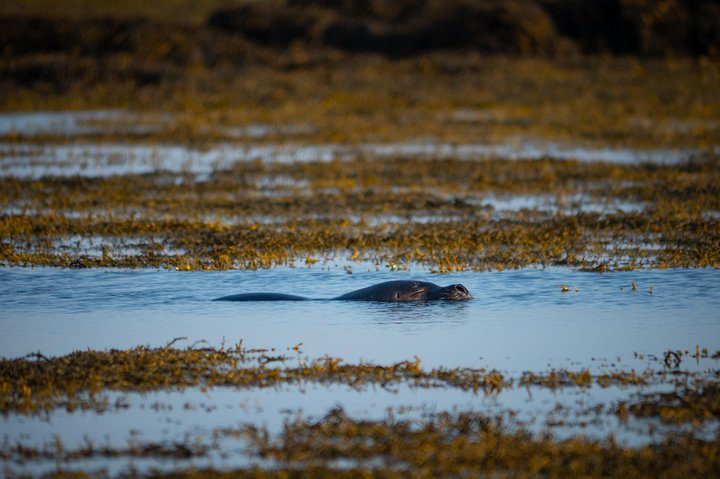
A full-day peninsula route that includes the seal beach at Ytri Tunga.
Seal photo album
Mink FAQ
Are mink native to Iceland?
No. American mink were introduced for fur farming and are now an established invasive species in Iceland.
Can visitors reliably see mink in Iceland?
No. A mink sighting is possible near water, but it is brief and unpredictable. Choose a wildlife activity for its landscape, birds, seals, whales or foxes rather than expecting mink.
Where do mink live in Iceland?
They use rivers, lakeshores, wetlands, harbours and coastal edges, especially where they can move between water and dense cover.
What should I do if I see a mink?
Watch quietly from a distance, keep dogs under control and do not approach, feed or follow it. The same care helps protect nearby nesting birds.