Visa & Customs
Iceland is part of the Schengen area, but entry and customs rules still depend on your nationality, passport, route and what you carry. A short check before booking and another shortly before departure can prevent most border problems.
This guide explains short-stay visa rules, passport validity, the Entry/Exit System (EES), the future ETIAS requirement and the customs limits most visitors need to know. Official rules always take priority, especially for medication, food, animals, weapons and used outdoor equipment.
Quick guide to visas and customs in Iceland
| Schengen short stay | Usually up to 90 days in any 180-day period across the whole Schengen area |
|---|---|
| Visa check | Use Iceland's official nationality-based visa checker before booking |
| Passport check | Confirm issue date, expiry date, blank pages and the rules for your nationality |
| Food allowance | Up to 10 kg with a total value no higher than ISK 25,000, subject to restrictions |
| If in doubt at customs | Use the red channel and declare restricted goods or amounts above the allowance |
Do you need a visa for Iceland?
Whether you need a visa depends mainly on your nationality, travel document and reason for visiting. Many travelers can enter Iceland visa-free for a short holiday, while others must receive a Schengen visa before departure. Check your situation with the official Iceland visa checker before paying for non-refundable travel.
A standard Schengen short stay is normally limited to 90 days in any 180-day period. The calculation covers the Schengen area as a whole, so days spent in other Schengen countries count toward the same limit. Work, study, family reunification and longer stays may require a residence permit or another authorization even when a short tourist visit would be visa-free.
If you need a visa, apply through the embassy, consulate or application center responsible for Iceland in your country of residence. Allow enough time for an appointment and processing, and follow the document list supplied for your specific application.
Passport and supporting-document rules
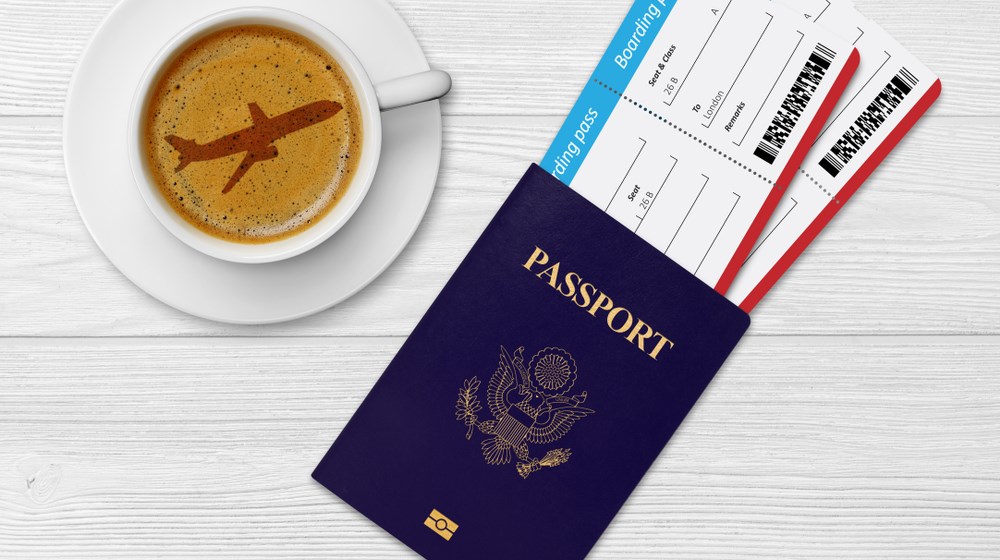
Your passport must meet the rules that apply to your nationality and travel status. For a Schengen visa application, Iceland's official guidance says the travel document must generally have been issued within the previous ten years, remain valid for at least three months after the planned stay and contain at least two blank pages. Visa-exempt travelers should also verify the passport rules that apply to them rather than relying only on the airline's check-in system.
Border officers may ask for evidence of accommodation, a return or onward ticket, sufficient funds and the purpose of your visit. Keep confirmations accessible on arrival. The official supporting-document guidance is the best starting point for visa applicants.
EES is operating; ETIAS has not started
The Entry/Exit System (EES) records short-stay border crossings by many non-EU nationals traveling to European countries that use the system, including Iceland. It stores travel-document details, entry and exit information and biometric data such as a facial image and fingerprints. EES began operating on October 12, 2025 and completed its gradual rollout in April 2026.
ETIAS is a separate travel authorization for visa-exempt nationals. It is not yet required and is scheduled to start in the last quarter of 2026. The EU says travelers do not need to take action yet and will announce the exact start date in advance. Avoid unofficial application sites, especially any claiming that ETIAS is already compulsory.
Arriving in Iceland and passing through customs
Most international visitors arrive through Keflavik International Airport. Passport control and customs are different stages: border control confirms your right to enter, while customs deals with the goods and money you bring into the country.
Use the green channel only when your goods are within the duty-free allowances and you have nothing restricted to declare. Use the red channel if you carry goods above an allowance, restricted items or anything you are unsure about. Declaring an item is the safer option; customs officers can explain whether tax, documentation, disinfection or a permit is required.
Duty-free alcohol and tobacco allowances
Travelers aged 20 or over may import one of Iceland Customs' permitted alcohol combinations duty-free. Common options are:
- 1 liter of spirits, 0.75 liter of wine and 3 liters of beer;
- 1 liter of spirits and 6 liters of beer;
- 3 liters of wine and 6 liters of beer;
- 1.5 liters of wine and 12 liters of beer; or
- 18 liters of beer.
Travelers aged 18 or over may bring 200 cigarettes or 250 grams of other tobacco products duty-free. The combinations and definitions matter, so check the current official duty-free allowances if you plan to bring alcohol or tobacco.
Food, cash, medicine and other personal goods
Food
You may bring up to 10 kg of food with a total value of no more than ISK 25,000, provided the products are otherwise permitted. Meat and dairy products from outside the European Economic Area are prohibited. Rules can also apply to fresh produce, plants, seeds and animal products, so check before packing specialty foods.
Cash and valuables
Cash and equivalent negotiable instruments worth EUR 10,000 or more must be declared to customs. Personal clothing, cameras, phones and normal travel equipment are generally straightforward when they are clearly for your own use, but newly purchased high-value goods may be subject to import rules.
Medicine
Medicine for personal use is generally allowed in a quantity of up to 100 days, but customs may ask for a prescription or doctor's certificate showing that it is medically necessary. Keep medicines in their original packaging, carry supporting documents and check the rules in advance for controlled substances or unusual quantities.
Fishing gear, riding clothes and biosecurity
Iceland protects its freshwater ecosystems and horse population with strict hygiene rules. Used angling equipment and riding clothes brought from abroad must be disinfected by an approved method before use in Iceland. A certificate can document disinfection carried out before arrival; otherwise customs can arrange treatment at the traveler's expense.
Used leather riding equipment such as saddles, bridles and leather gloves may not be imported. Clean every item carefully before travel, including boots, waders, rods, reels, lures, nets, helmets and outerwear. Review Iceland Customs' official import restrictions before packing any used fishing or riding equipment.

Before you fly: a practical checklist
- Check your visa status: use Iceland's official visa checker for your nationality and travel document.
- Inspect the passport: confirm issue date, expiry date, blank pages and that booking details match the passport.
- Count Schengen days: include time in every Schengen country during the relevant 180-day period.
- Ignore unofficial ETIAS sales sites: ETIAS is not yet in operation.
- Review your luggage: check food, alcohol, tobacco, medicine, cash and outdoor equipment against current customs rules.
- Keep documents accessible: carry accommodation, onward-travel, insurance and medical evidence where relevant.
- Declare uncertainty: use the red channel when an item may be restricted or above an allowance.
Frequently asked questions about visas and customs in Iceland
It depends on your nationality, travel document and reason for travel. Some visitors can enter visa-free for a short stay, while others must obtain a Schengen visa before departure. Use Iceland's official visa checker for your exact situation.
A normal Schengen short stay is up to 90 days in any 180-day period. Time spent in other Schengen countries counts toward the same limit.
No. The EU says ETIAS will start in the last quarter of 2026 and that travelers do not need to take action yet. Use only the official EU ETIAS site for updates.
Confirm the issue date, expiry date and blank-page requirement that applies to your nationality. Visa application guidance generally requires a passport issued within ten years, valid at least three months beyond the stay and containing two blank pages.
Permitted food for personal use is duty-free up to 10 kg and ISK 25,000 in value. Meat and dairy products from outside the EEA are prohibited, and other plant or animal products may be restricted.
Medicine for personal use is generally allowed for up to 100 days, but customs may request a prescription or doctor's certificate. Keep it in original packaging and check controlled-substance rules before travel.
Use the red channel and declare the goods. Customs can tell you whether tax, a permit or another procedure is required. If you are uncertain, declaring is safer than using the green channel.
Yes. Used angling equipment and riding clothes must meet Iceland's disinfection rules. Used leather riding equipment such as saddles and bridles may not be imported.
Read more
Continue planning with these practical Travel Guide articles.