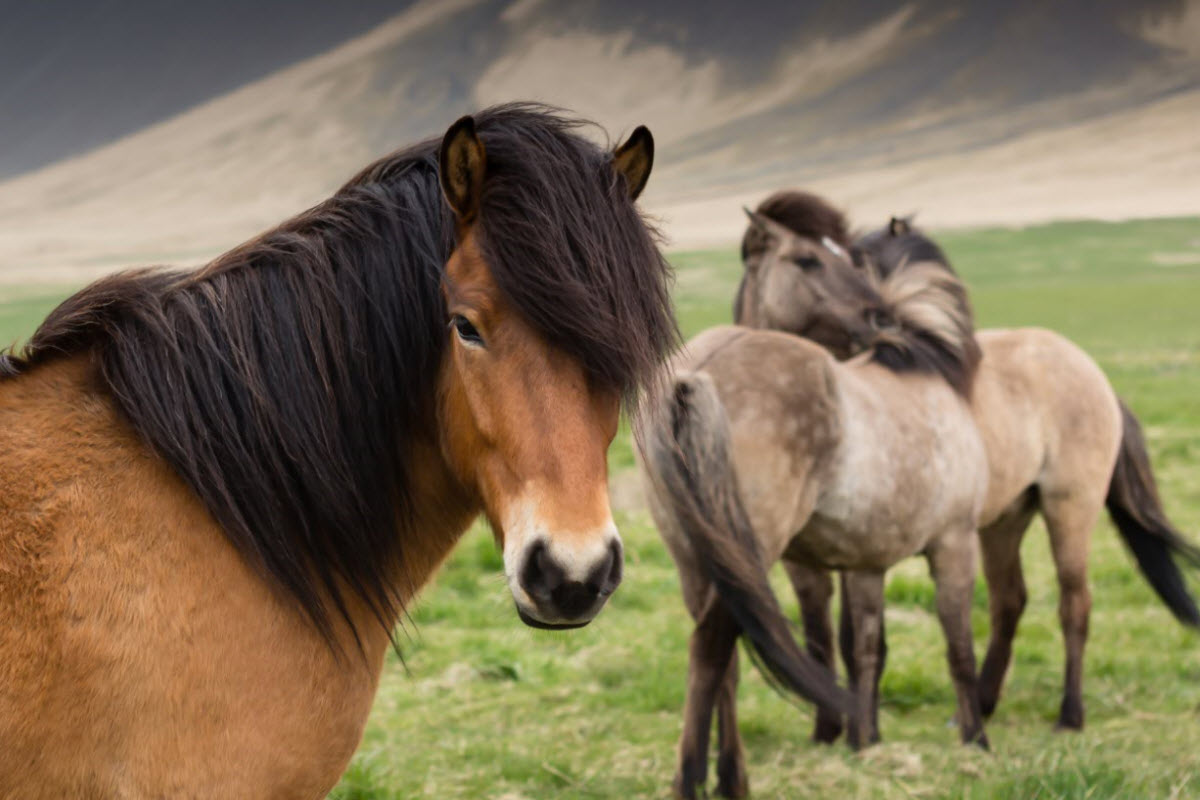
The Icelandic Horse
The Icelandic horse is one of Iceland's most distinctive cultural symbols: a small, strong, sure-footed riding horse with Viking roots, a thousand years of isolation and the famous smooth gait called tolt.
This guide explains the breed's history, gaits, colours, character and travel etiquette, then helps you choose the right Icelandic horse riding tour: short rides near Reykjavik, Golden Circle combinations, black sand beach rides, North Iceland farm-country rides and hot-spring add-ons.
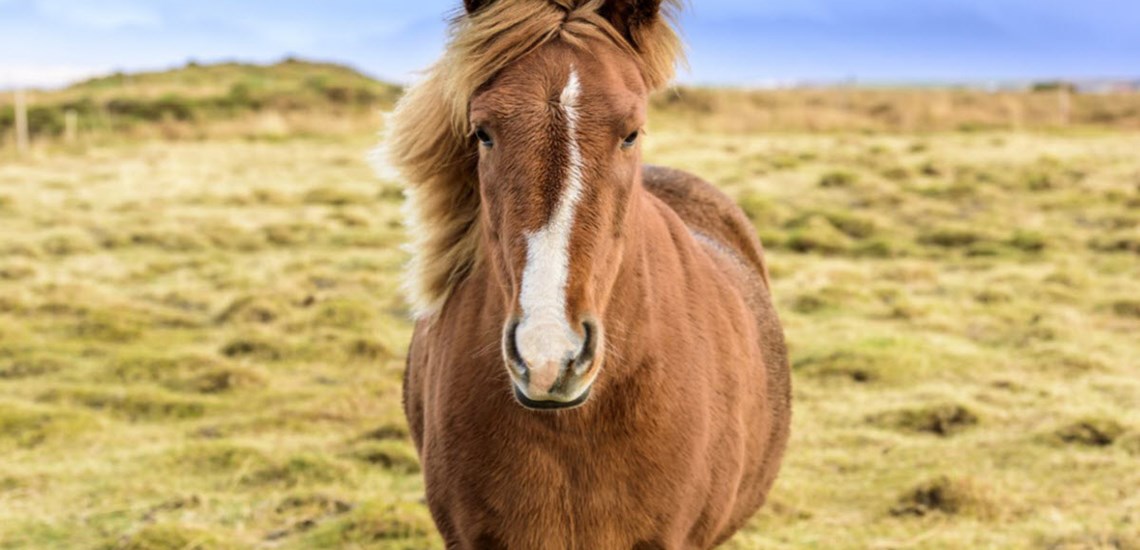
Quick guide to the Icelandic horse
| Icelandic name | Íslenski hesturinn |
|---|---|
| Origin | Brought by Norse settlers in the settlement age and developed in Iceland for more than 1,000 years |
| Known for | Five gaits, especially the smooth four-beat tolt and the fast flying pace |
| Size | Small and compact, but Icelanders call it a horse, not a pony |
| Character | Friendly, willing, strong, sure-footed and usually comfortable for guided riding |
| Colours | More than 40 colours and many more variations are found within the breed |
| Protection | No horses may enter Iceland; exported horses cannot return, helping protect the breed from disease |
| Good to know | Do not feed roadside horses, enter private fields or stop dangerously for photos; book a guided ride if you want close contact |
Jump to
- Quick guide
- Why the Icelandic horse is special
- Viking roots and isolation
- Horse, not pony
- Tolt, flying pace and the five gaits
- Colours, coat and character
- How to meet horses respectfully
- Reykjavik and Golden Circle tours
- South Coast riding tours
- North and West Iceland riding
- How to choose a riding tour
- Image album
- FAQ about the Icelandic horse
Why the Icelandic horse is special
The Icelandic horse is not just a pretty roadside animal for holiday photos. It is a living link to Iceland's settlement history, farm culture, riding tradition and old travel routes. For centuries, horses carried people across rivers, lava fields, mountain tracks and long distances before modern roads made travel easier.
For visitors, that history becomes practical. Riding an Icelandic horse is one of the clearest ways to feel the Icelandic landscape at a human pace: black sand underfoot near Vik, soft countryside around Hveragerdi, open valleys in North Iceland, or a short family-friendly farm ride when a full adventure day would be too much.
Why travellers care
- It is beginner-friendly when guided well: many riding tours are built for first-time riders, families and mixed-experience groups.
- The gait feels different: tolt is famously smooth and often easier for new riders than a bouncy trot.
- The setting matters: Icelandic horse tours can turn a normal sightseeing route into a more memorable local experience.
- It connects to culture: the horse is part of Icelandic farming, sagas, language, sport and national identity.
Viking roots and a thousand years of isolation
The story begins with Iceland's first Norse settlers. They could bring only limited livestock across the North Atlantic, so the horses that reached Iceland were practical, valuable animals. Over time, Iceland's weather, rough terrain, sparse roads and long distances shaped a compact, hardy riding horse with exceptional endurance.
Isolation is central to the breed. Iceland has long protected its horse population from outside diseases and outside breeding. No horse may be imported into Iceland, and a horse that leaves the country cannot return. Even used riding equipment brought from abroad is treated carefully because disease protection is taken seriously.
That strict separation helped preserve the Icelandic horse as a distinct breed. It also explains why riding in Iceland feels different from riding an Icelandic horse abroad: in Iceland you are seeing the breed inside the landscape and culture that formed it.
Why Icelanders say horse, not pony
The Icelandic horse is small compared with many international riding breeds, and visitors sometimes ask whether it is really a pony. In Icelandic culture and in the international Icelandic horse world, the answer is clear: it is a horse.
The reason is not only pride. The breed's strength, stamina, gaits, temperament and working history are horse qualities. It carried adults across difficult terrain, worked on farms, travelled long distances and became a serious riding and competition breed. Calling it a pony misses the role it has played in Icelandic life.
Tolt, flying pace and the five gaits
Most horse breeds are naturally described through three basic gaits: walk, trot and canter or gallop. Many Icelandic horses add two extra natural gaits: tolt and skeid, often called flying pace in English.
Tolt is the gait visitors hear about most. It is a four-beat gait with no suspension phase, which makes it unusually smooth to ride. On a good horse, tolt can feel steady and flowing even over uneven ground. This is one reason Icelandic horse riding tours can work well for beginners when the pace and horse are chosen properly.
Flying pace is faster, more specialised and not something every visitor will experience on a normal tour. It is sometimes described as the horse's fifth gear: powerful, quick and used over short distances by skilled riders. Not every Icelandic horse performs flying pace, while many are considered four-gaited and do not use it.
The five gaits in plain English
- Walk: the slowest, steady everyday gait.
- Trot: a two-beat gait familiar from most breeds.
- Canter or gallop: faster three-beat or full-speed movement.
- Tolt: the smooth four-beat gait most visitors want to try.
- Flying pace: a fast two-beat racing gait for trained horses and riders.
Colours, coat and character
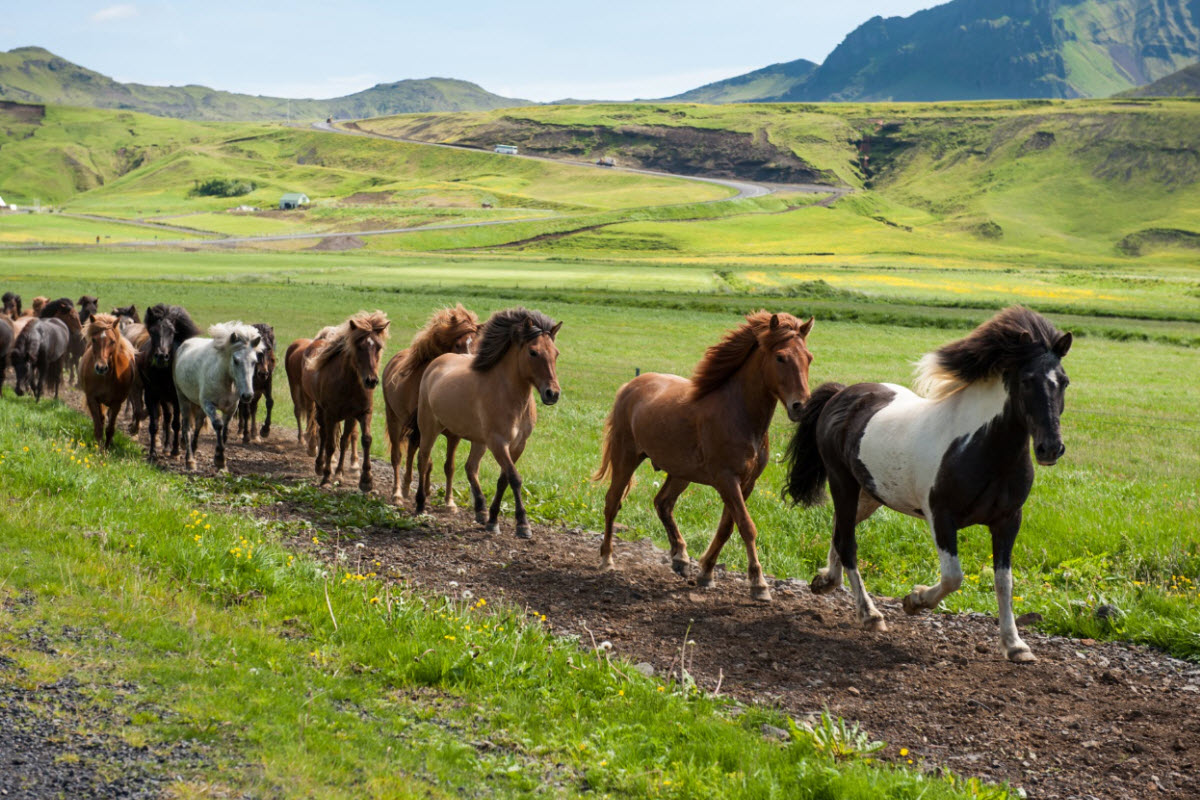
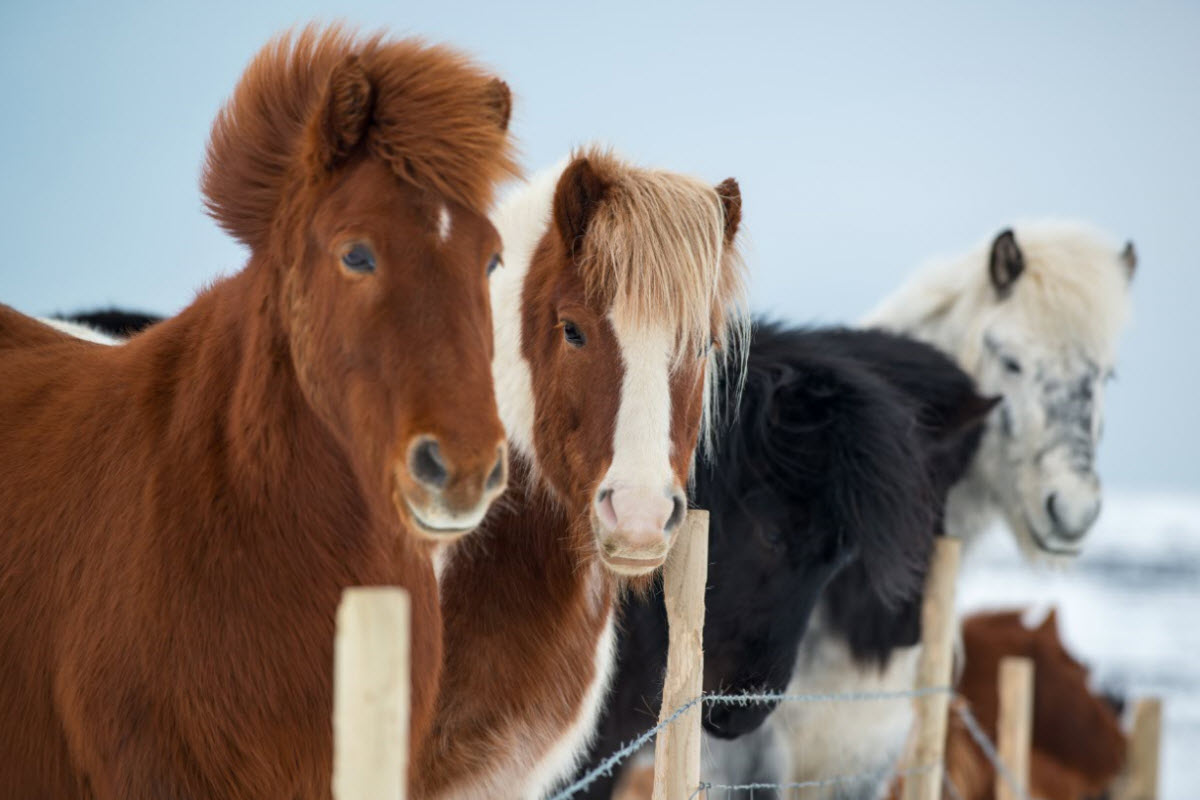
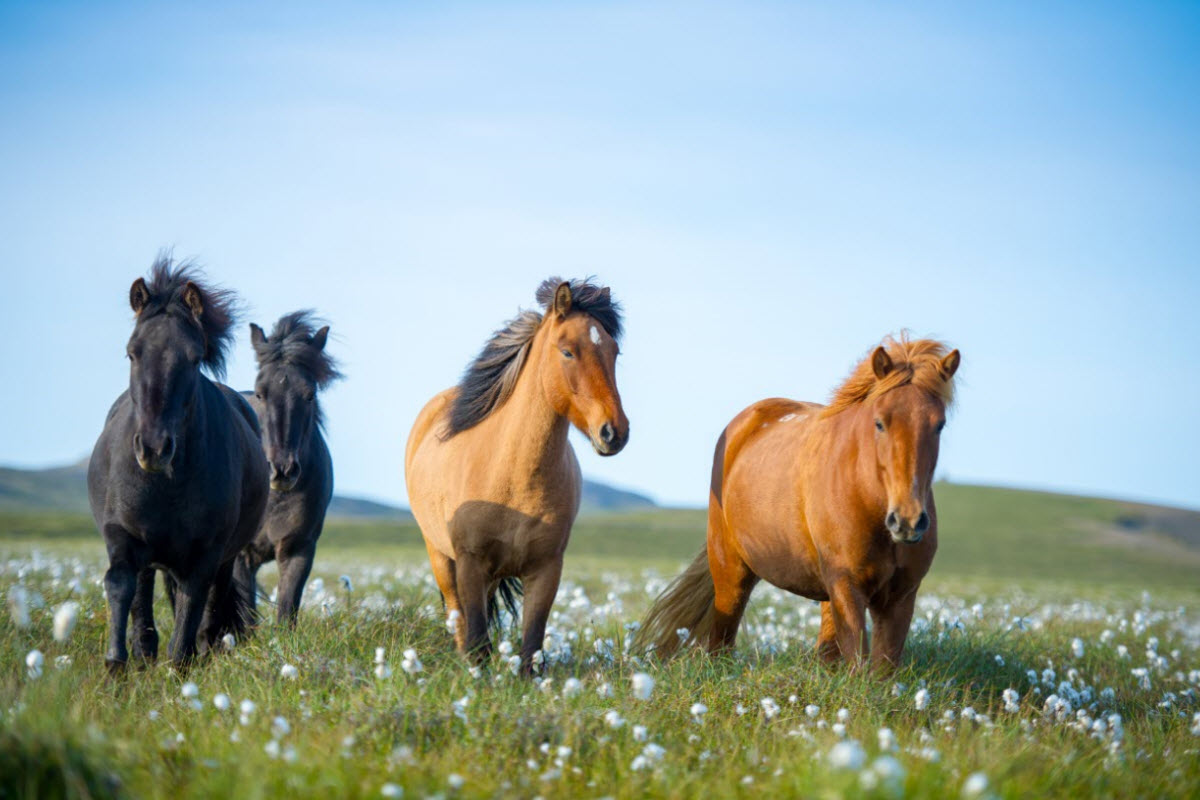
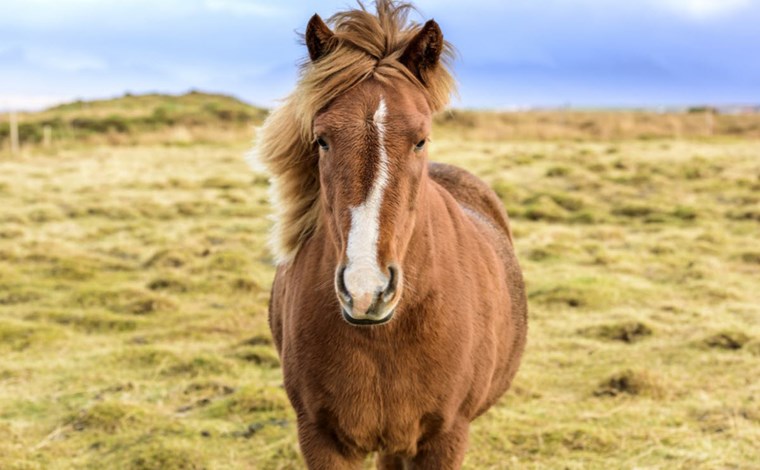
The Icelandic horse is one of the world's most colourful horse breeds. Chestnut, black, bay, grey, dun, palomino, pinto and many other variations appear in Icelandic herds, and Icelandic has a famously rich vocabulary for horse colours and patterns.
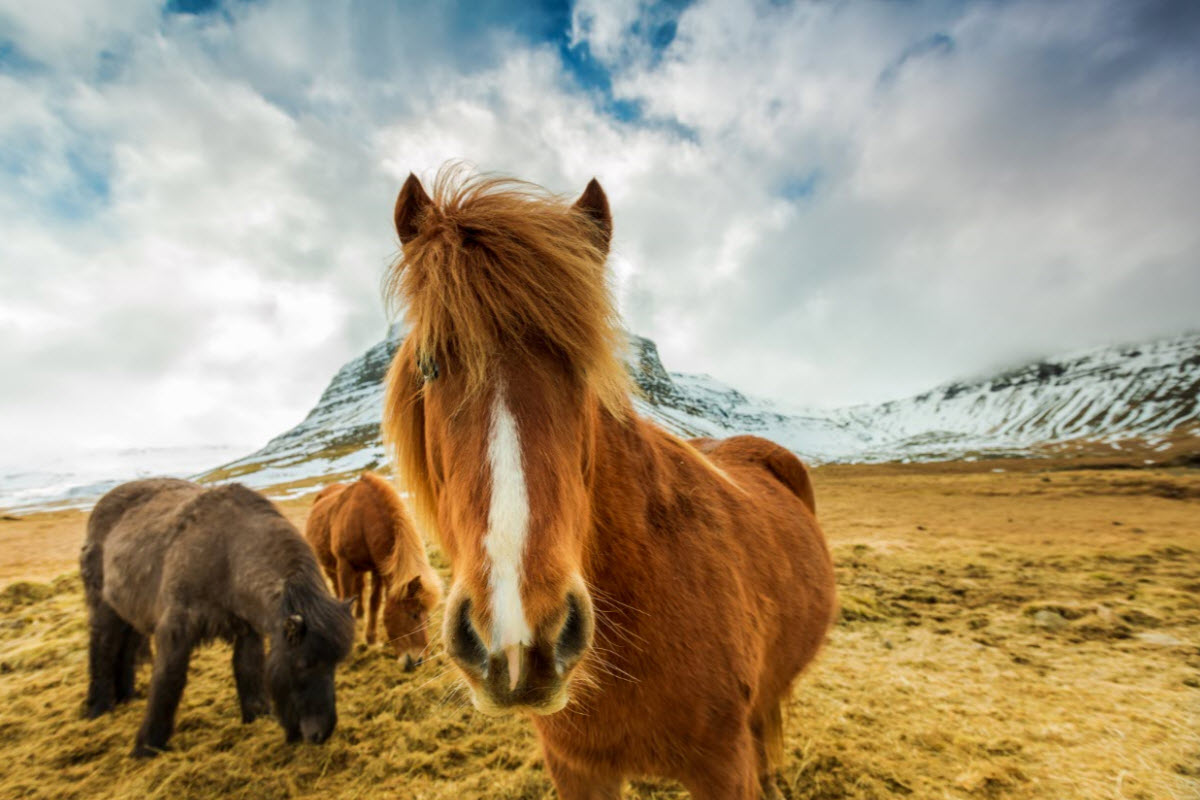
The coat is practical, not only photogenic. Icelandic horses grow a thick winter coat and are well adapted to wind, cold and shifting weather. Their build is compact, their footing is sure, and their temperament is often described as willing, intelligent and friendly.

That does not mean every horse is the same. A good tour operator matches horses to riders, weather and route. A calm first-time ride near a farm is a different experience from a longer ride over beaches, river deltas or open countryside.
How to meet Icelandic horses respectfully
Travellers often stop when they see horses near the road, but most Icelandic horses are on private land. Do not enter fields, feed them, climb fences or stop in dangerous places for photos. Feeding can harm training and health, and roadside stopping can create traffic risk.
If you want close contact, book a guided riding tour or stable visit. That gives you permission, context and the right safety setup. It also supports the people who care for the horses every day.
Best Icelandic horse tours from Reykjavik and the Golden Circle
Choose these when you want the riding built into an easy day from Reykjavik or a classic Golden Circle route. They are especially useful for first-time riders who still want Thingvellir, Geysir, Gullfoss or Hveragerdi-area countryside in the same plan.
Compare all horse riding tours
Ride Icelandic horses near Hveragerdi, then continue to Thingvellir, Geysir and Gullfoss.
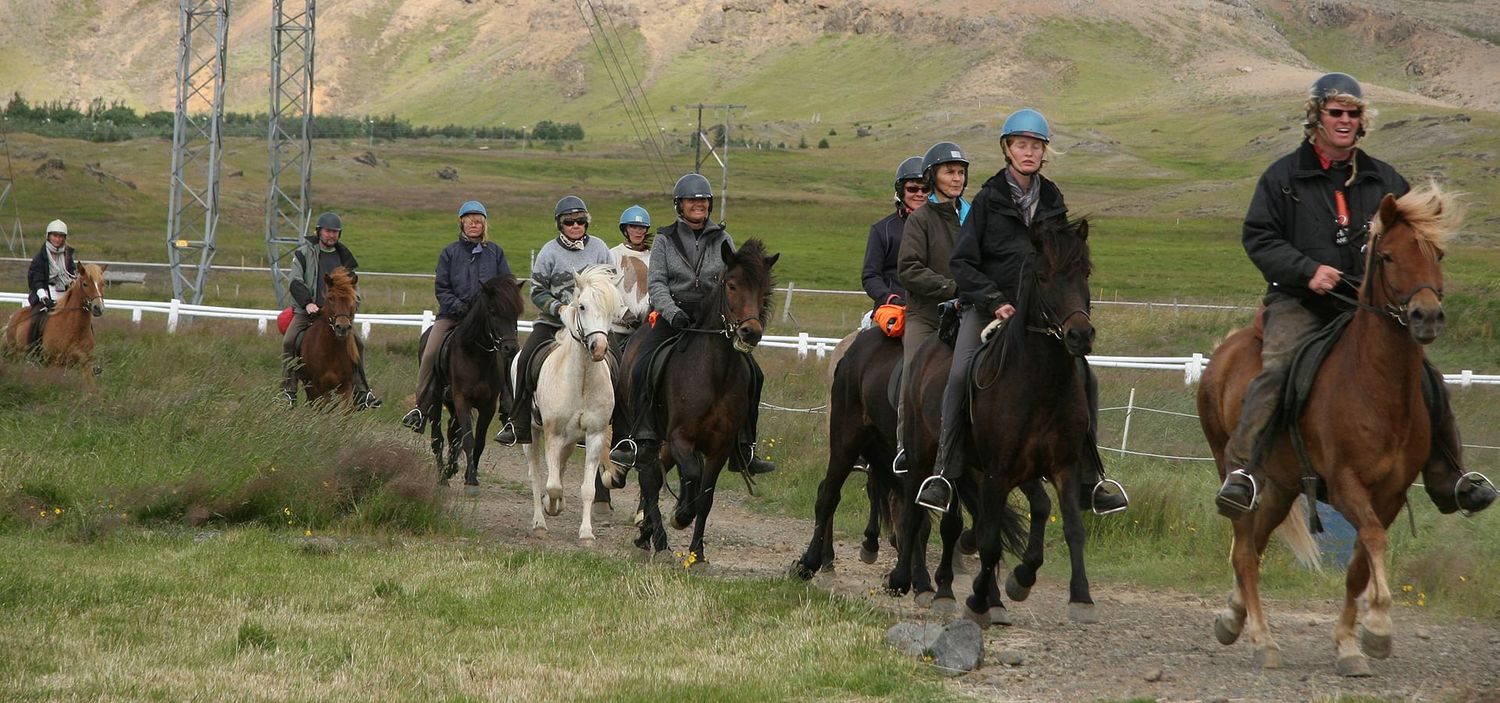
A Golden Circle day with a riding stop built into the route from Reykjavik.
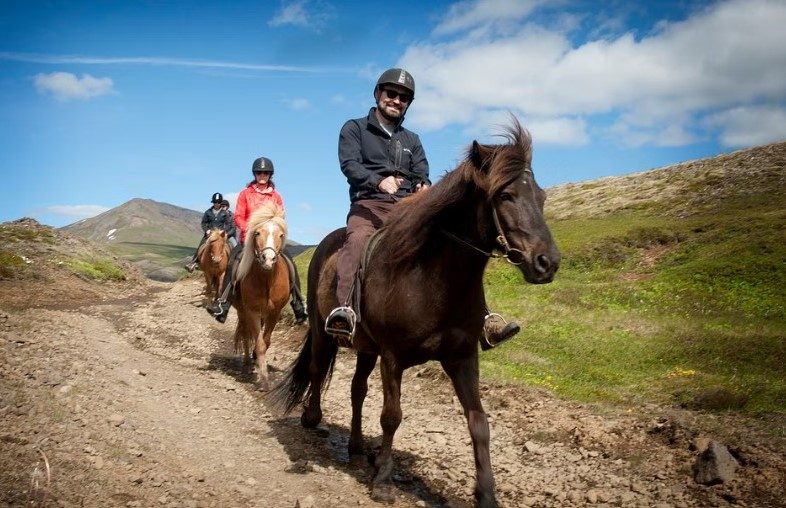
A fuller Golden Circle route for travellers who want classic sights plus horse riding.
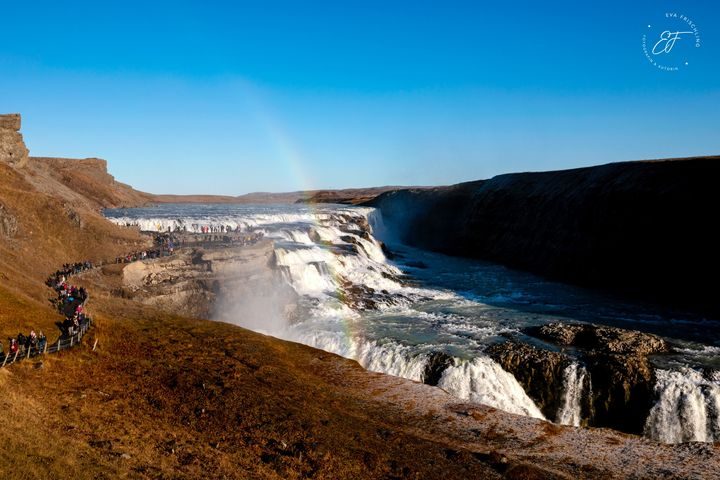
A horse-riding and Golden Circle combination with the main south-west icons.
South Coast and black sand horse riding tours
These work well when the horse ride should feel dramatic and scenic: black sand near Vik, South Coast waterfalls, glacier views or a stronger adventure day with more than one activity.
Compare all horse riding tours
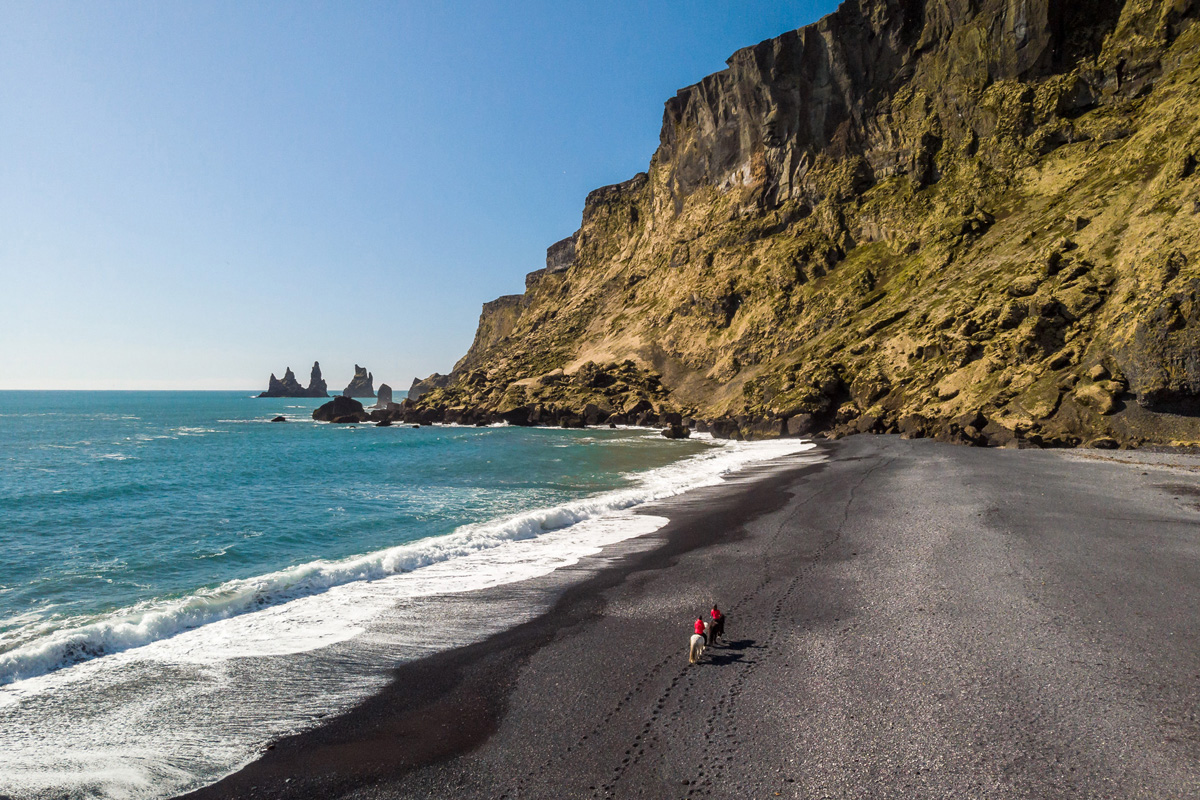
A short black-sand beach riding tour near Vik, ideal for South Coast self-drivers.
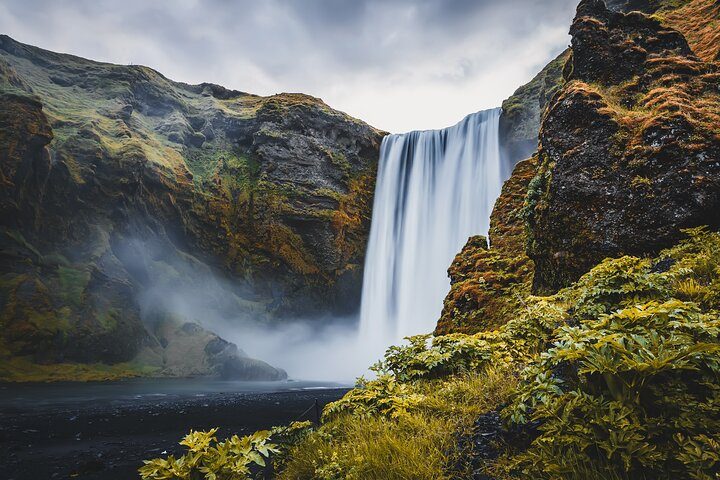
A South Coast day that combines coastal scenery with Icelandic horse riding.
A scenic South Coast route with waterfalls, black sand, volcanic cliffs and riding.
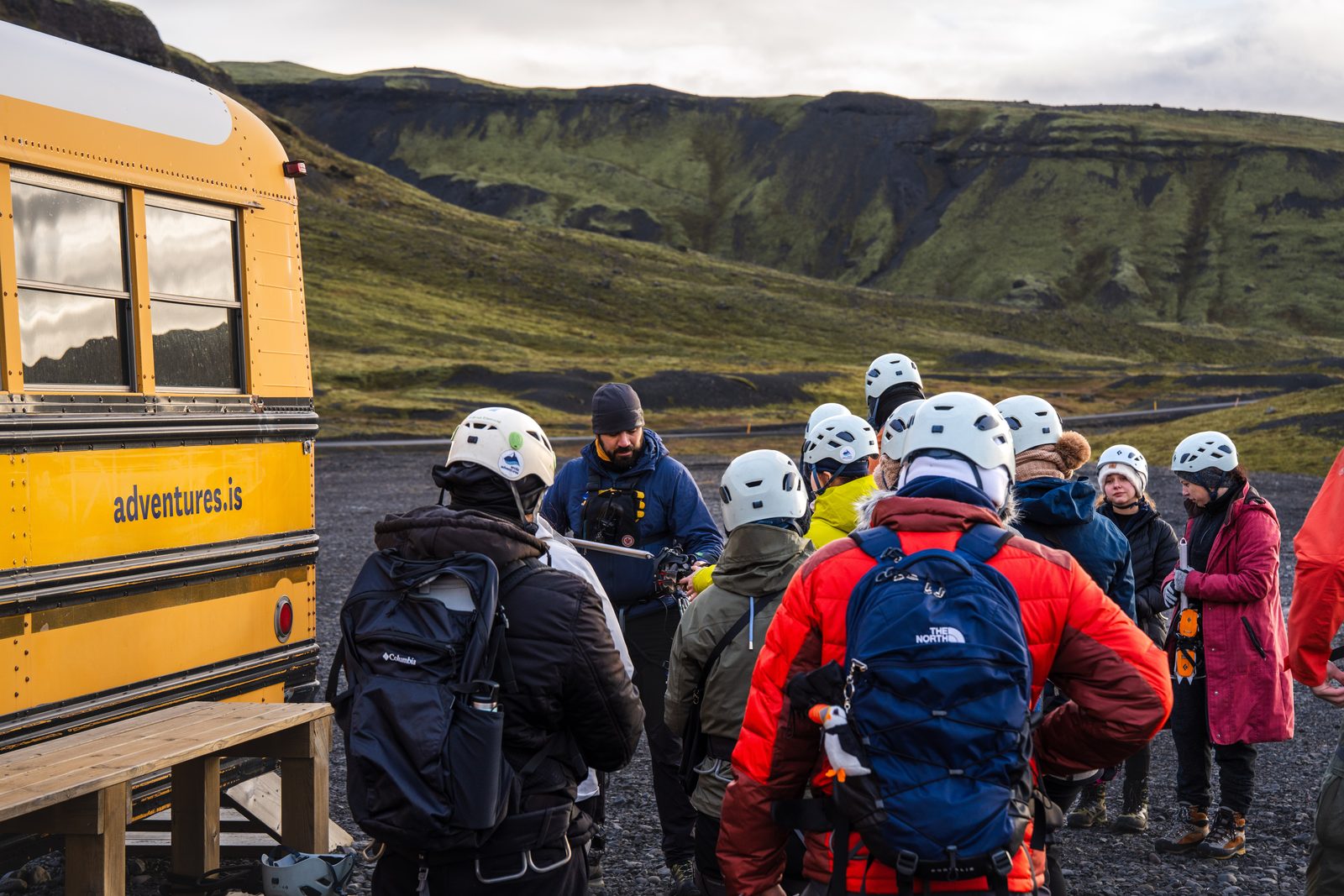
A stronger South Coast activity day pairing glacier scenery with Icelandic horses.
North and West Iceland horse experiences
Use these when your route is outside the Reykjavik day-tour zone. North Iceland is especially strong for horse culture, while Snaefellsnes is useful for adding a shorter local ride to a West Iceland day.
Compare all horse riding tours
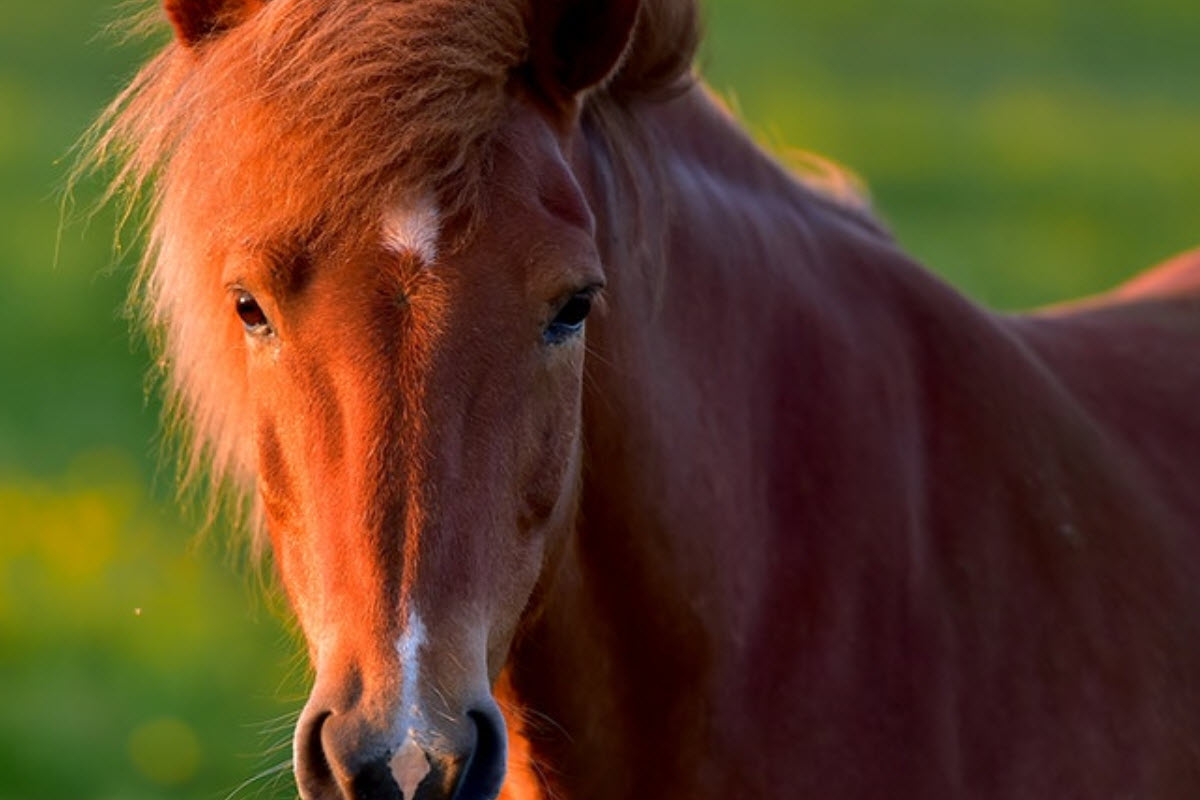
A North Iceland day combining Skjalfandi Bay whale watching with horse riding near Husavik.

A short Skagafjordur ride for first-time riders and North Iceland countryside stops.
A private Skagafjordur riding adventure for experienced riders and longer North Iceland days.
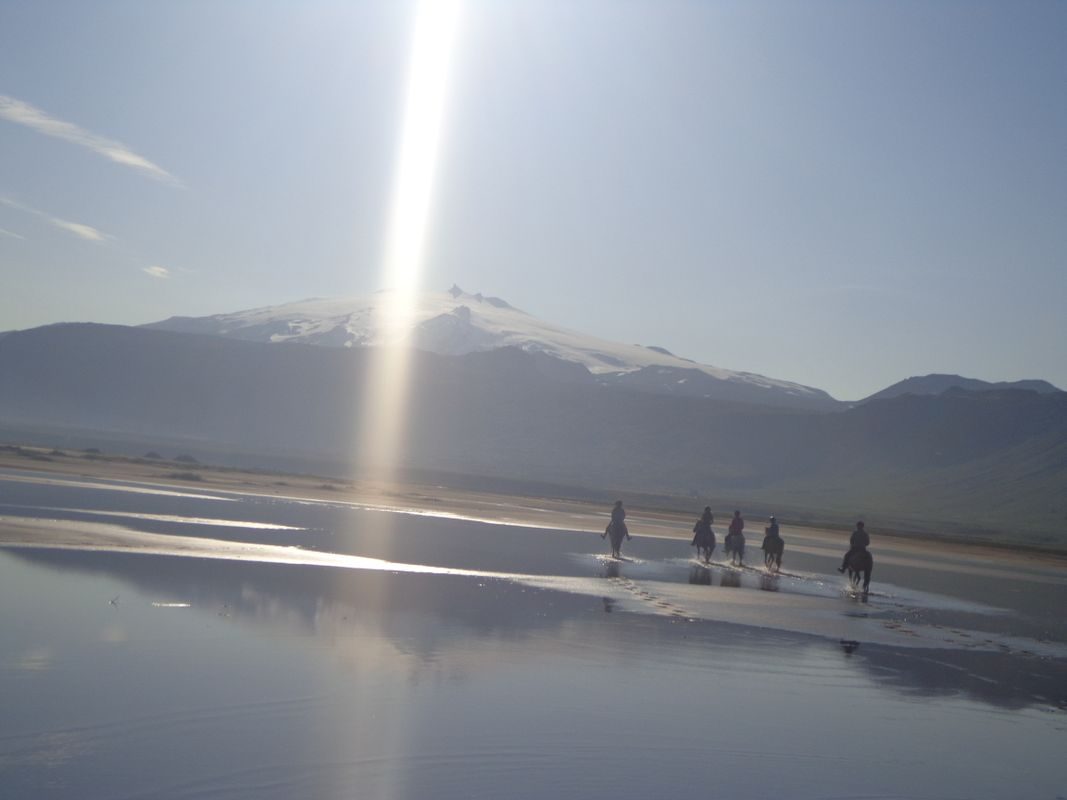
A short Snaefellsnes riding experience for travellers adding horses to a West Iceland day.
Short rides, stable visits and hot-spring add-ons
Not every traveller wants a full-day ride. These shorter or more relaxed options are useful for families, nervous riders, self-drivers, Hveragerdi-area stays and travellers who want horses plus geothermal bathing.
Compare all horse riding tours
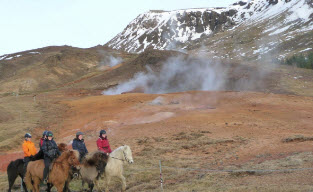
A Hveragerdi-area ride through geothermal landscapes with hot-spring context.
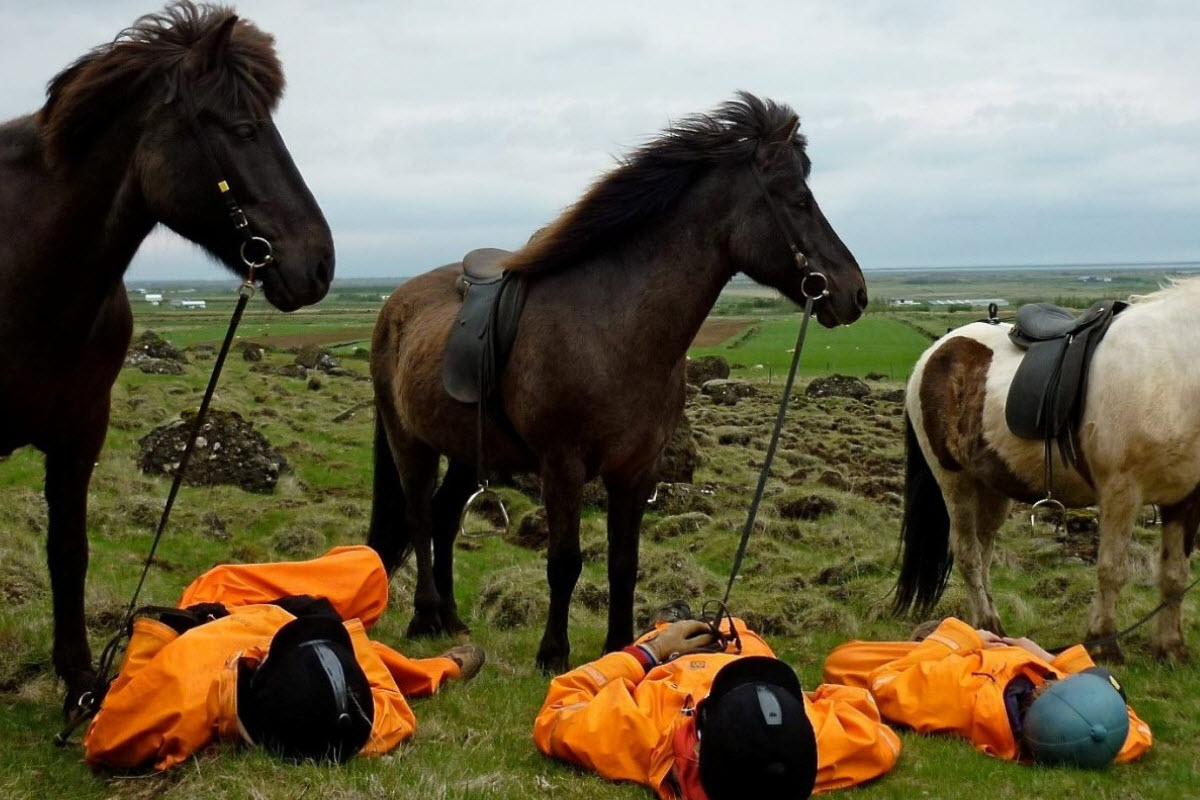
A relaxed one-hour countryside ride for families, small groups and self-drivers.
A full-day ride, lunch and geothermal-pool plan near Hveragerdi.
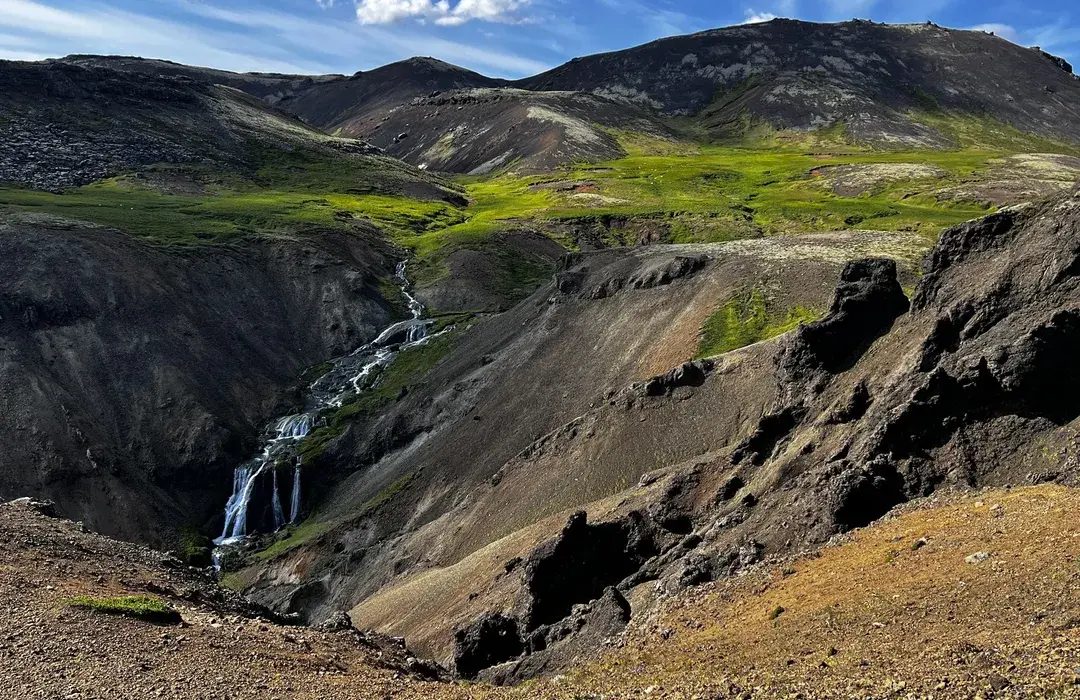
A small-group horse riding and bathing option in geothermal South Iceland.
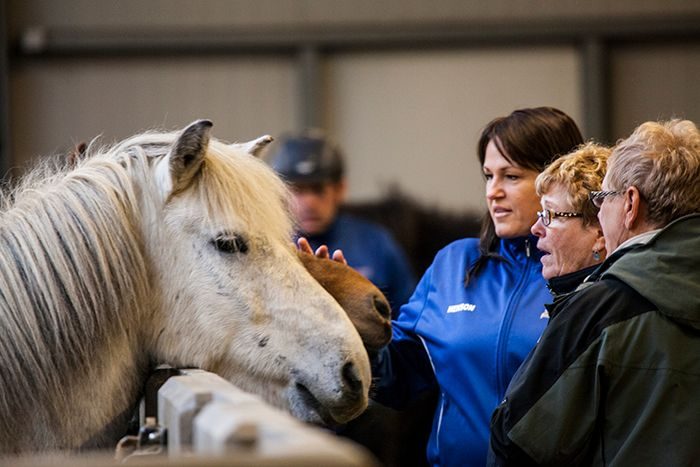
A short stable visit for travellers who want to meet Icelandic horses without a long ride.
How to choose the right Icelandic horse riding tour
Start with your route, not only the horse. If you are based in Reykjavik, a Golden Circle or Hveragerdi-area ride is usually easiest. If you are driving the South Coast, a black sand beach ride near Vik can be more memorable than adding a long backtrack. If you are in North Iceland, Skagafjordur and Husavik-area options let you connect horses with local countryside and, in some cases, whale watching.
Best for first-time riders
Choose a short countryside ride, stable visit or beginner-friendly Golden Circle combination. These usually keep the riding time manageable and give operators more flexibility to match horses to riders.
Best for scenery
Black sand beach rides, South Coast combinations and North Iceland open-valley rides usually give the strongest landscape payoff. For photos, check whether the tour pace and route allow safe stopping.
Best for families
Look for shorter rides, minimum-age details and tours that clearly say they suit beginners. Family groups often do better with a dedicated stable visit or one-hour ride than a long multi-stop day.
Best with bathing
Hveragerdi-area riding works especially well with geothermal bathing or hot-spring valley ideas. If your day already includes the Golden Circle, this can make the route feel less like pure sightseeing.
Icelandic horse photo album
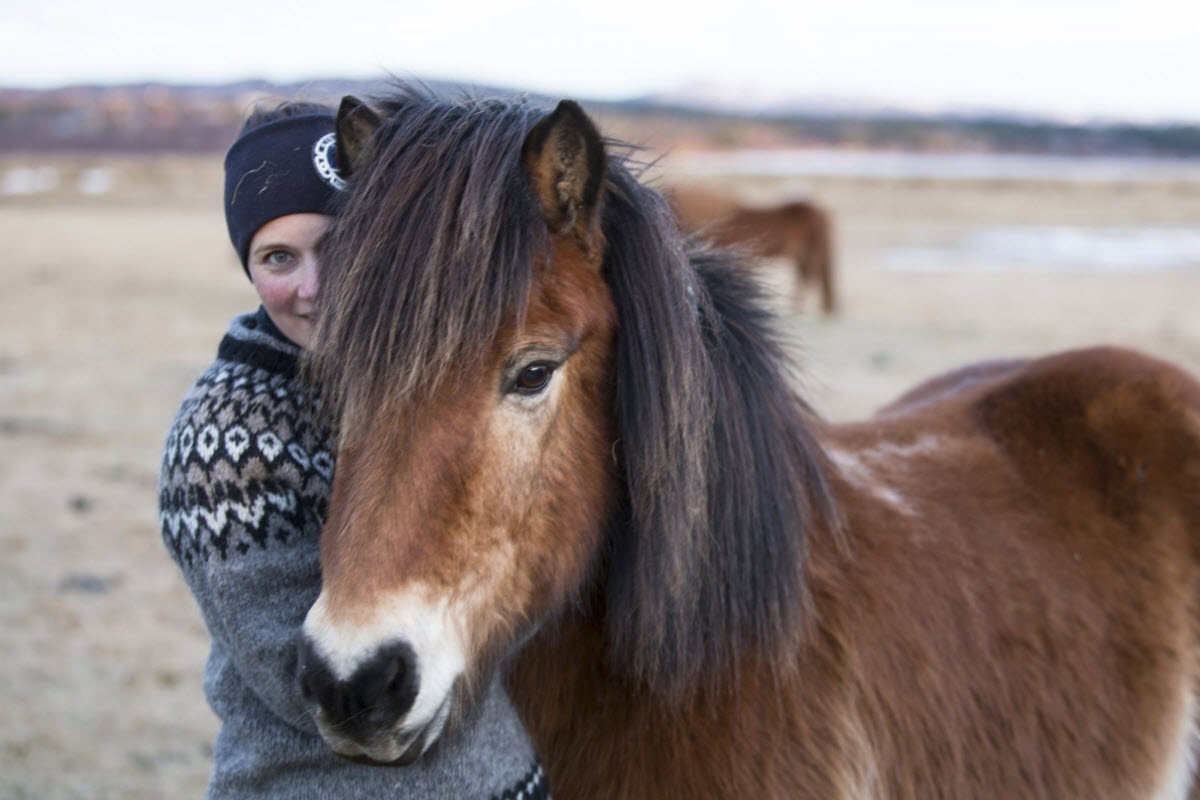
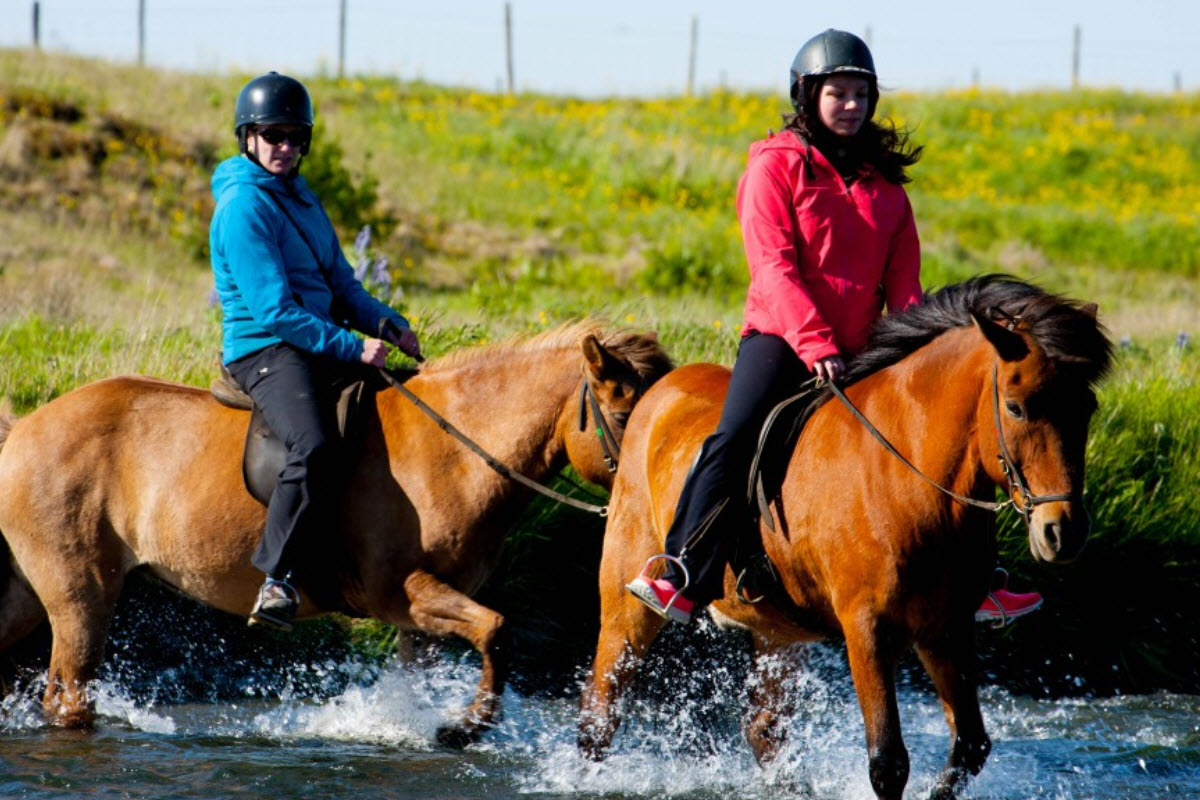
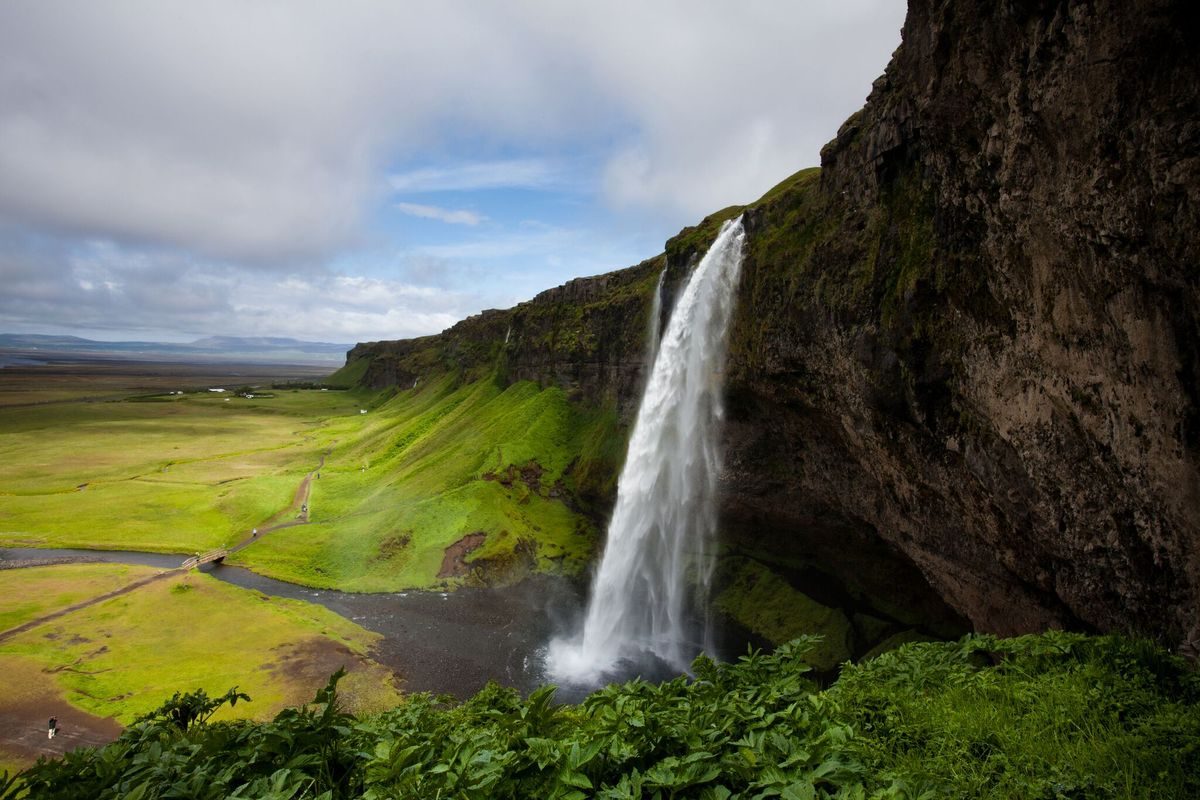
Use these photos to compare the main travel settings: open countryside, Golden Circle rides, black sand beaches, longer South Coast routes, North Iceland riding country and simple stable visits.

FAQ about the Icelandic horse
What is the Icelandic horse known for?
The Icelandic horse is best known for its Viking-age roots, isolation in Iceland, friendly character, many colours and five gaits, especially the smooth tolt.
Is the Icelandic horse a pony?
No. It is small, but Icelanders and Icelandic horse riders call it a horse. Its strength, gaits, stamina and historic working role are the reasons the breed is treated as a horse rather than a pony.
What is tolt?
Tolt is a smooth four-beat gait that many Icelandic horses can perform naturally. It is one of the main reasons visitors enjoy horse riding tours in Iceland.
What is flying pace?
Flying pace, or skeid, is a fast two-beat gait used over short distances. Not all Icelandic horses perform it, and it is usually for trained riders rather than normal beginner tours.
Can beginners ride Icelandic horses?
Yes, many tours are built for beginners. Start with a short ride such as Countryside Charm, a stable visit or a guided Golden Circle riding combination if you want more sightseeing.
Where is the best place to ride an Icelandic horse?
It depends on your route. Reykjavik and the Golden Circle are easiest, the South Coast is strongest for black sand and waterfall scenery, North Iceland is excellent for farm-country riding, and Snaefellsnes works well for a short West Iceland add-on.
What is the best Icelandic horse tour from Reykjavik?
For a sightseeing-plus-riding day, choose Riding & The Golden Circle or another Golden Circle horse riding combination. For a shorter animal-focused stop, use a Hveragerdi-area ride or stable visit.
Can I ride Icelandic horses on a black sand beach?
Yes. The clearest option is the Black Beach Riding Tour near Vik. Longer South Coast tours can also include black-sand horse riding as part of a bigger day.
Are there horse riding tours on the Golden Circle?
Yes. FunIceland has Golden Circle combinations that include Icelandic horse riding, such as Riding & The Golden Circle and Grand Golden Circle and Horse Riding Tour.
Can you combine horse riding with hot springs?
Yes. Hveragerdi-area options such as Horses & Hot Springs and Hot Spring Valley Horseback Ride and Bathe are the most natural fit.
Where can I ride horses in North Iceland?
North Iceland has strong horse-country options. Around Skagafjordur, look at Pleasure in every hoofstep or River Delta. Near Husavik, Whales & Horses Husavik combines riding with whale watching.
Can children join Icelandic horse riding tours?
Often yes, but minimum ages vary by tour, route and operator. For children or nervous first-time riders, choose a short stable visit or beginner-friendly one-hour ride and read each tour's requirements before booking.
Can I pet or feed roadside Icelandic horses?
No. Do not feed horses, enter fields or pet them without permission. If you want close contact, book a guided ride or stable visit where the horses, riders and setting are prepared for visitors.
Why can exported Icelandic horses not return?
This rule helps protect Iceland's horse population from outside diseases. No horses may enter Iceland, and a horse that leaves the country cannot come back.
Do Icelandic horses need special equipment rules?
Yes. Travellers bringing used riding gear from abroad should check current Icelandic rules carefully. Cleanliness and disinfection matter because disease protection is a major part of Icelandic horse management.
How many gaits does an Icelandic horse have?
The breed is famous for five gaits: walk, trot, canter or gallop, tolt and flying pace. Some individual horses are four-gaited and do not perform flying pace.
Are Icelandic horses good in winter?
The breed is well adapted to Icelandic weather and grows a thick winter coat. Winter riding can be wonderful, but tours depend on conditions, daylight, route safety and operator judgement.
What colours do Icelandic horses come in?
They come in many colours and patterns, including chestnut, black, bay, grey, dun, palomino and pinto. Icelandic has a rich vocabulary for horse colours, and variety is part of the breed's charm.
Are Icelandic horses calm?
They are often friendly, willing and people-oriented, but they are still powerful animals. A good guide matches the horse and route to the rider's experience.
Is horse riding in Iceland worth it?
Yes, especially if you want one activity that combines landscape, culture and a real local animal tradition. Choose a short ride for a light experience, or build it into a Golden Circle, South Coast, North Iceland or hot-spring day.
Should I book horse riding in advance?
Yes, especially in summer, for family groups, or when you need a specific route such as black sand beach riding or a Golden Circle combination. Compare horse riding tours and book the option that fits your route.
What should I wear for an Icelandic horse riding tour?
Wear warm layers, closed shoes and weather-ready outerwear. Operators usually provide helmets, and some provide rain gear, but Icelandic weather changes quickly even on short rides.