Reindeers in Iceland
Reindeers (Rangifer Tarandus) is a specie of deer and the only cervid species in which both sexes grow antlers. Reindeers can be found widely in the northern hemisphere and are exceptionally well adapted to cold and snow throughout the winter. They can be found in Russia, North America, Canada, Alaska, Norway, Northern Sweden, Northern Finland, Svalbard and Iceland.
Quick guide to reindeers in Iceland
| Species | Reindeer (Rangifer tarandus) |
|---|---|
| Status | Introduced, free-ranging wild population found only in East Iceland |
| Where to see them | East Iceland, especially around Snæfell, Fljótsdalur and Vopnafjörður |
| Best chance of a sighting | Winter, when herds may move from the highlands to lower grazing areas |
| Good to know | Watch quietly from a distance; never block their route across the road or towards cover. |
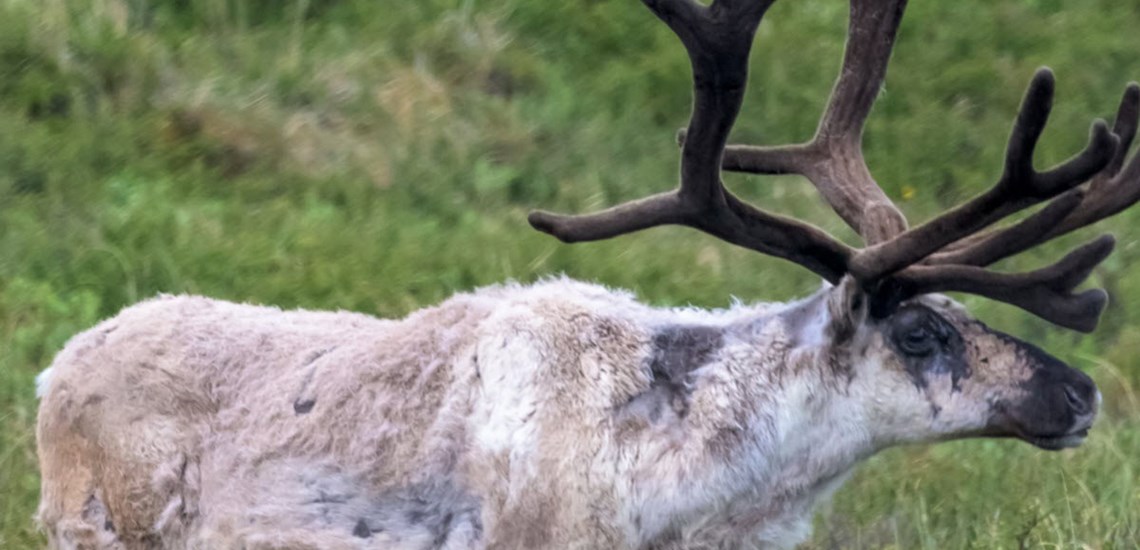
Reindeers in Iceland: where wild herds still roam
Reindeers are not native to Iceland, but they have become one of the country’s most distinctive wild animals. The free-ranging population lives in East Iceland, where open highland plateaus, valleys and winter grazing grounds give travellers a genuine chance of seeing a herd rather than a fenced attraction.
They were brought from northern Norway in several 18th-century attempts. Most early groups disappeared, but a population in the east endured and grew. Today, the herd is carefully managed and remains closely tied to the landscapes east of Jökulsá á Fjöllum and north of Vatnajökull.
Where and when can you see reindeers?
Summer finds many animals on higher ground around Snæfell and the eastern highlands. In winter, snow and grazing conditions can bring herds lower, making the wider Eastfjords, Fljótsdalur and Vopnafjörður areas more practical for a road trip or guided outing. A sighting near Jökulsárlón is possible, but it should be treated as a bonus rather than a reason to plan a whole day around the lagoon.
The best approach is to build a route around the East Iceland landscape and let a reindeer encounter be part of it. A local guide can make sense of weather, road conditions and recent herd movement without disturbing the animals.
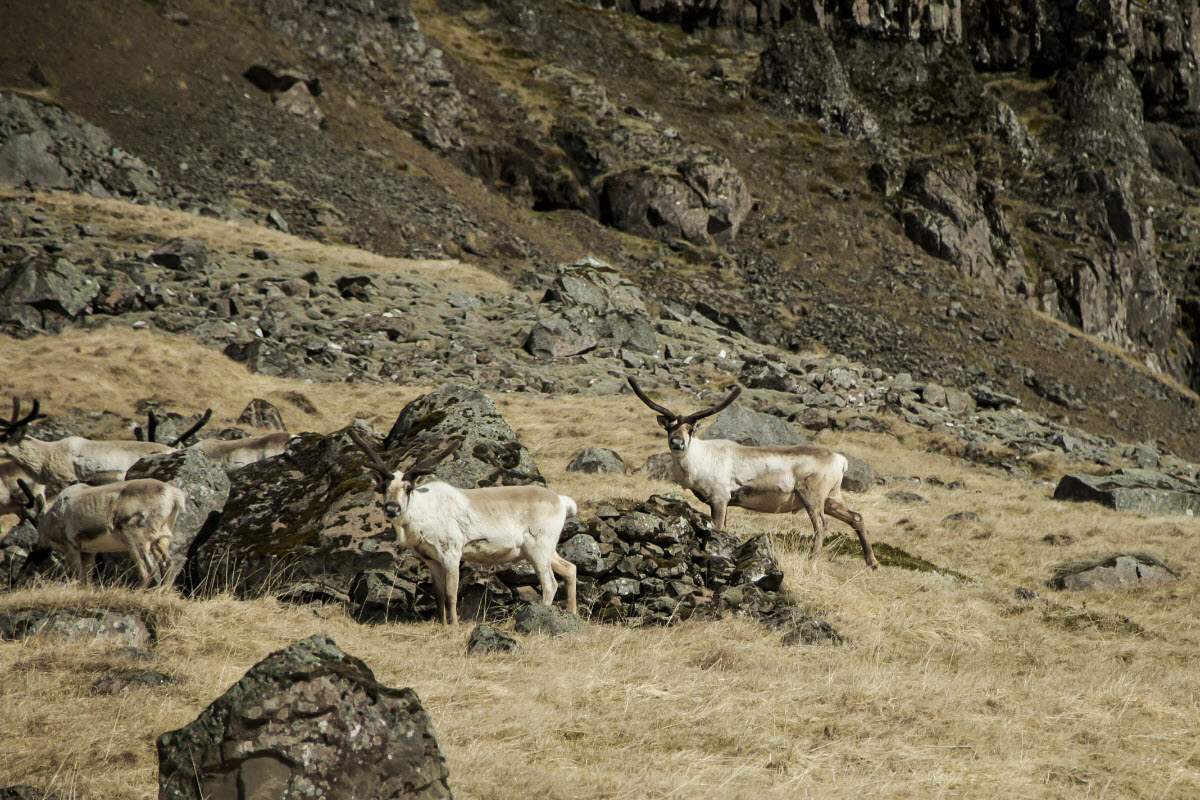
What makes Icelandic reindeer special?
Both males and females grow antlers, although the antlers and body size differ. Their thick, insulating coats and broad hooves are well adapted to cold terrain and snow. They feed on a varied plant diet, including lichen, and blend remarkably well into the grey, brown and pale tones of the eastern hillsides.
Reindeer are wild animals. Keep well back, stay quiet, never approach calves and do not stop where your vehicle could block the road. Binoculars or a long lens are much better than trying to get closer.
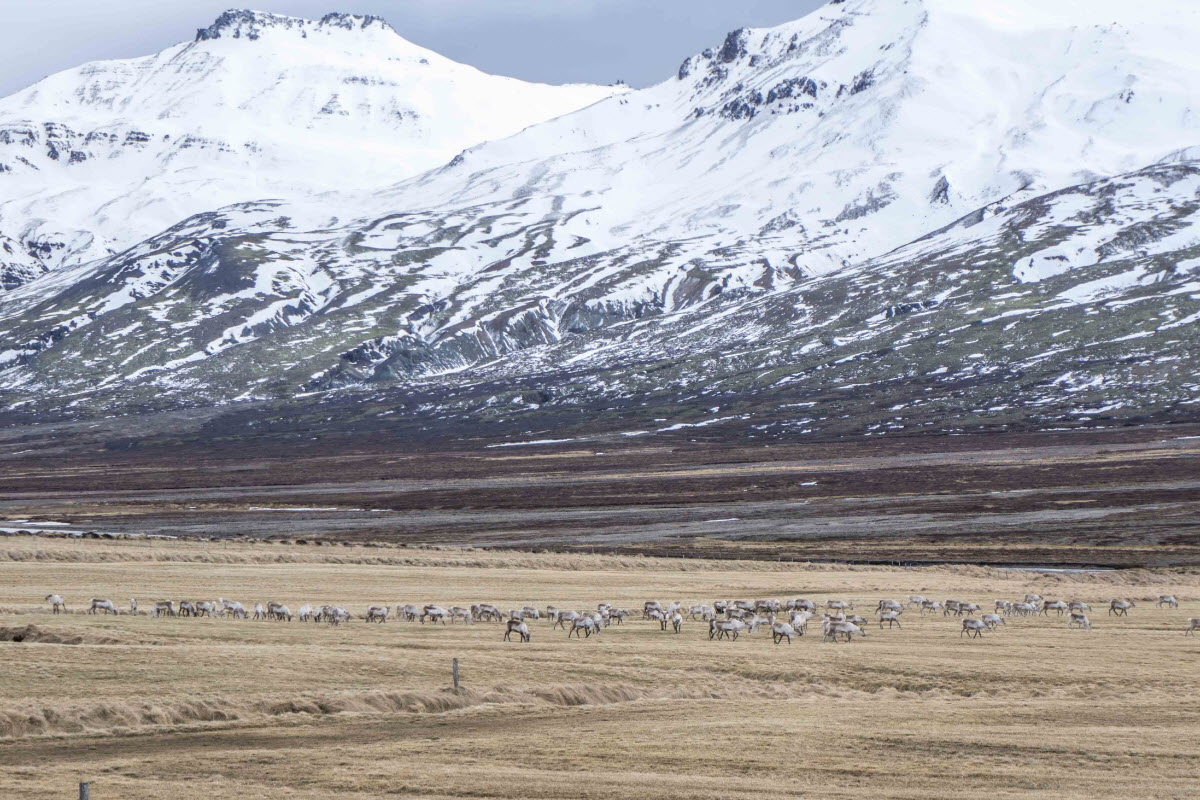
Plan a responsible reindeer-watching day
East Iceland rewards a flexible plan: allow time for slow driving, changing weather and stops in the valleys rather than chasing a guaranteed wildlife moment. If you book a guide, choose an experience that treats the animals and their habitat with care. The tours below are useful ways to experience the same eastern landscapes where reindeer live.
Tours that pair well with a reindeer-watching trip
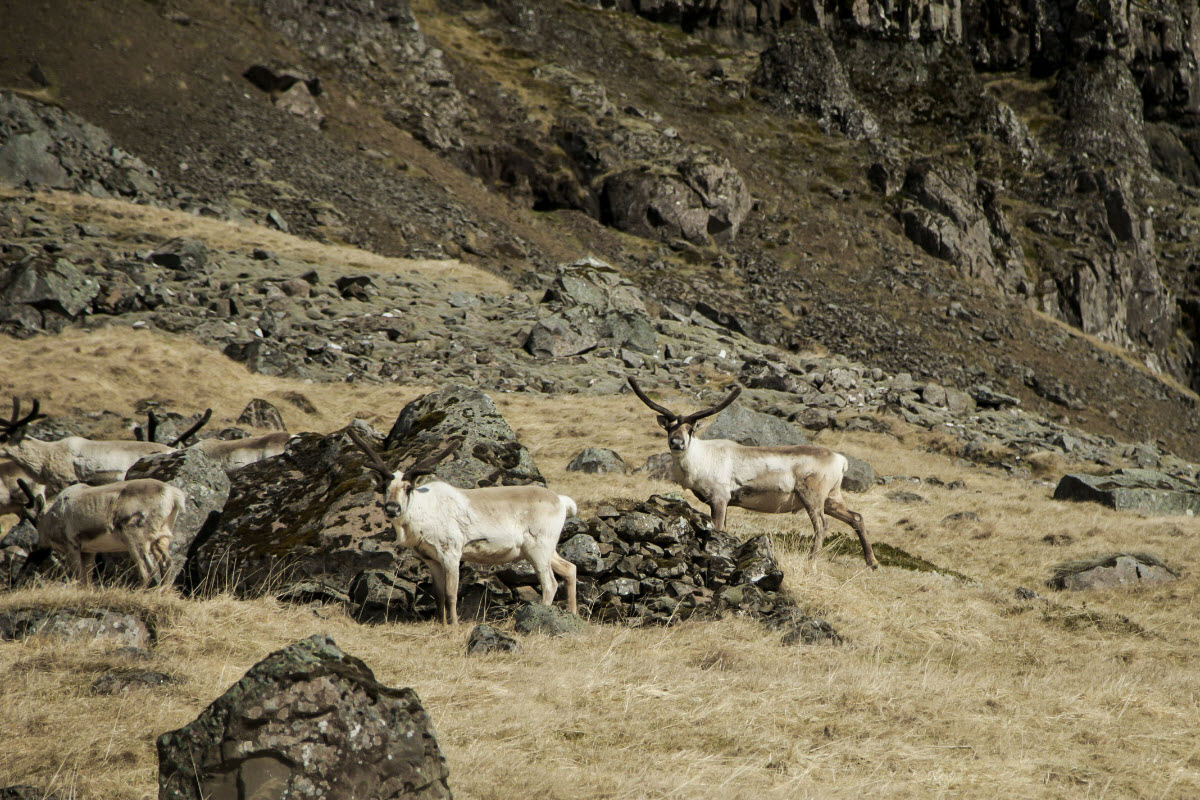
A guided East Iceland Super Jeep outing focused on the region’s remote landscapes and wild reindeer habitat.

A full East Iceland day of scenery, local stories and wide-open landscapes.
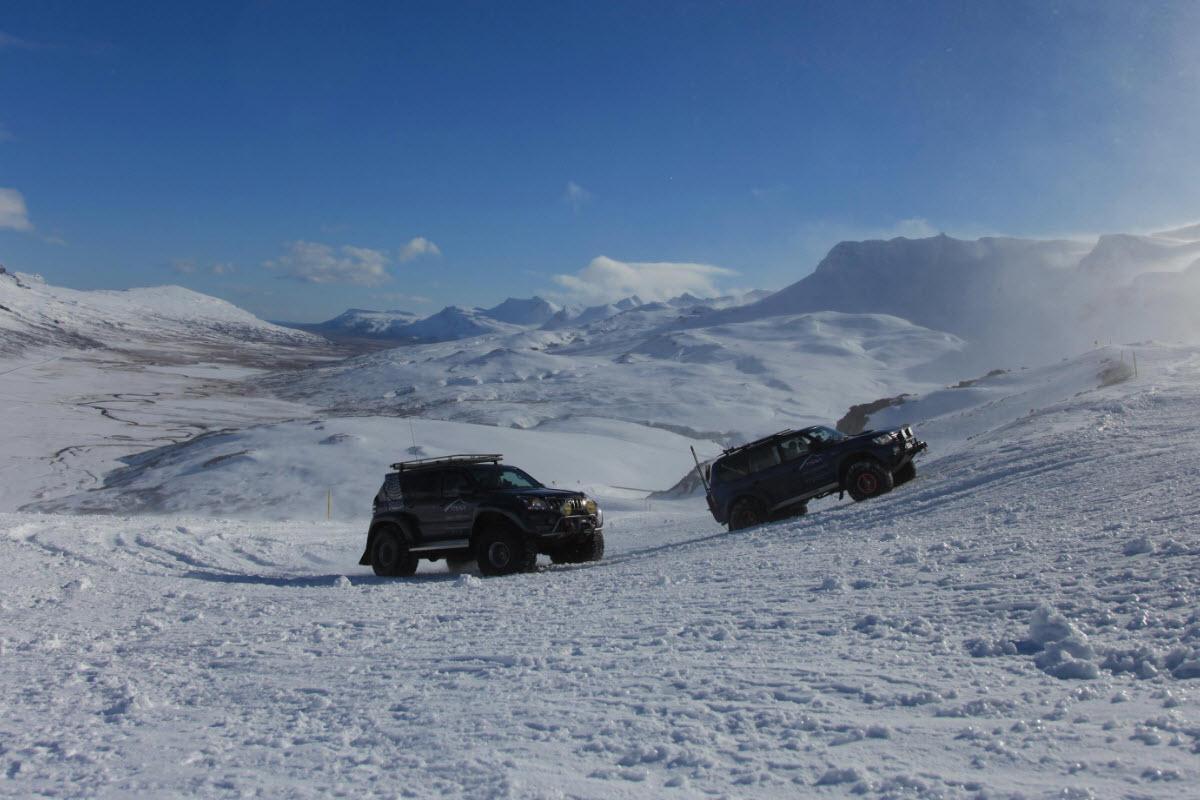
A compact Super Jeep adventure into East Iceland’s rugged mountain terrain.
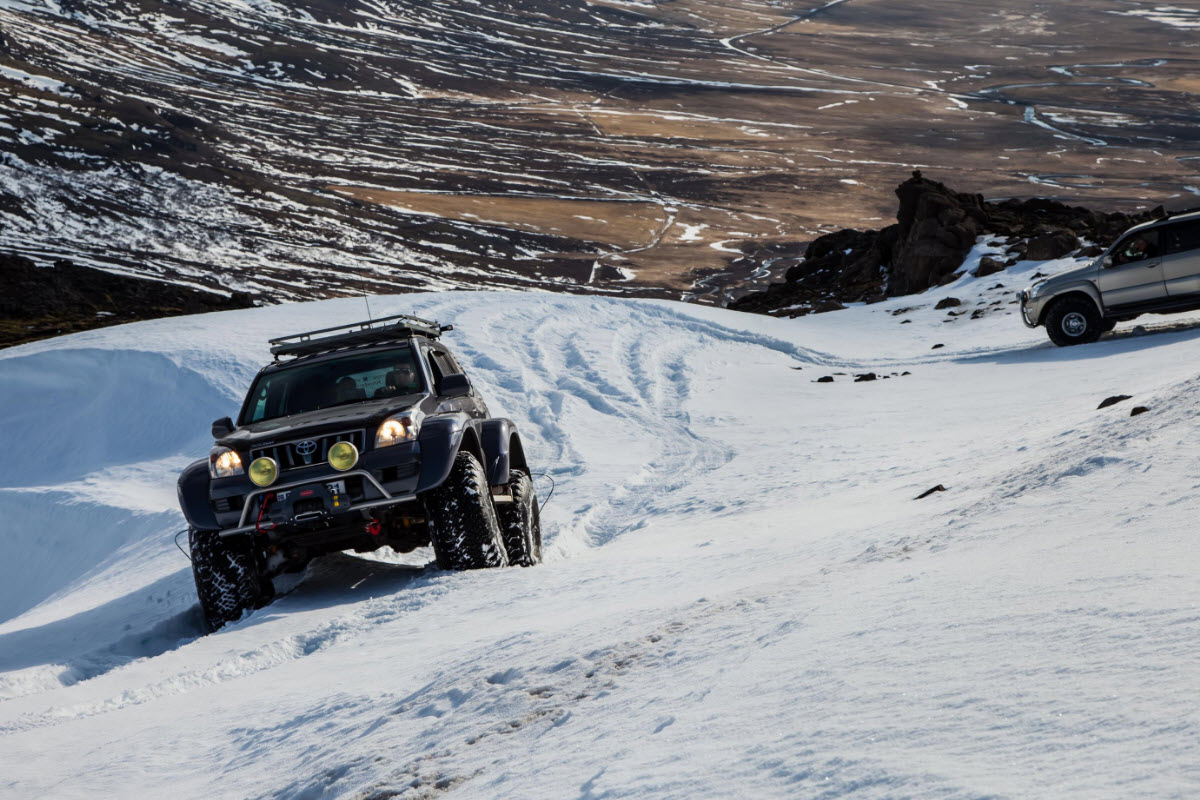
A long winter Super Jeep day in East Iceland for travellers who want remote scenery and local guiding.
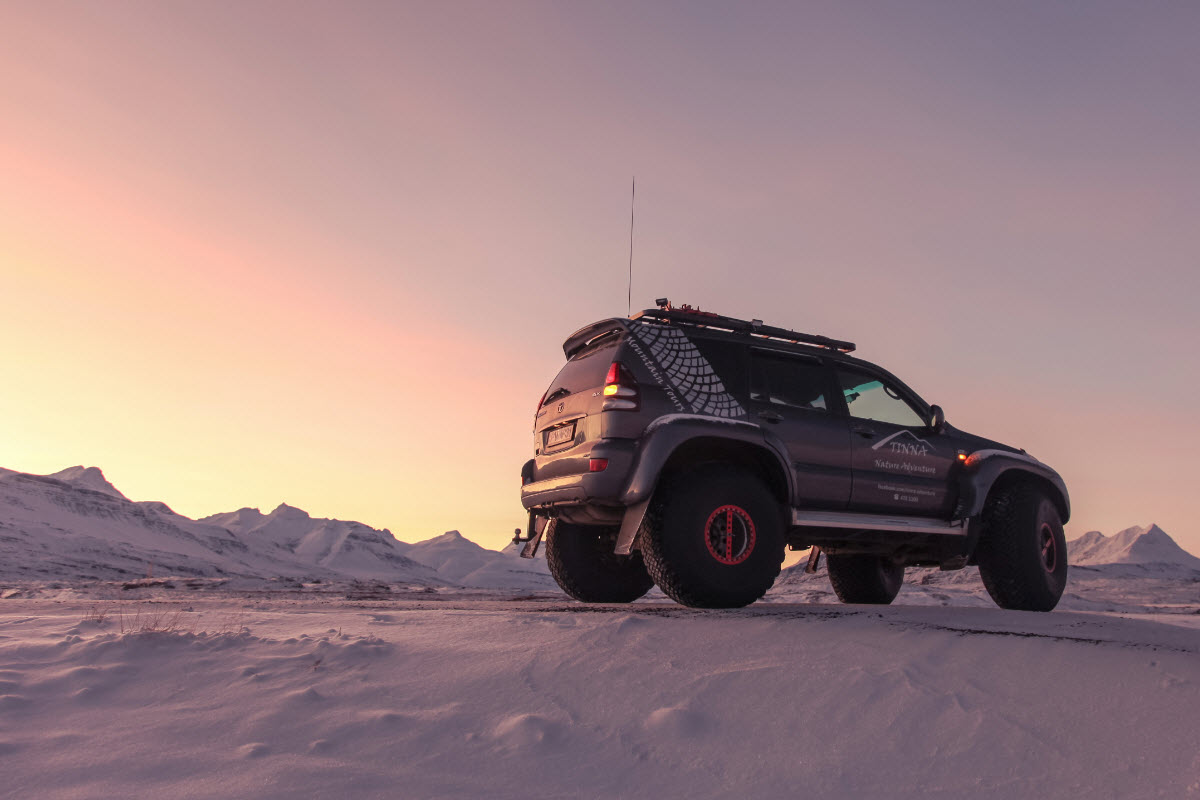
Explore East Iceland’s winter wilderness, wide-open landscapes and local stories with a guided day out.

A full East Iceland adventure day through remote summer landscapes, with time to understand the region.
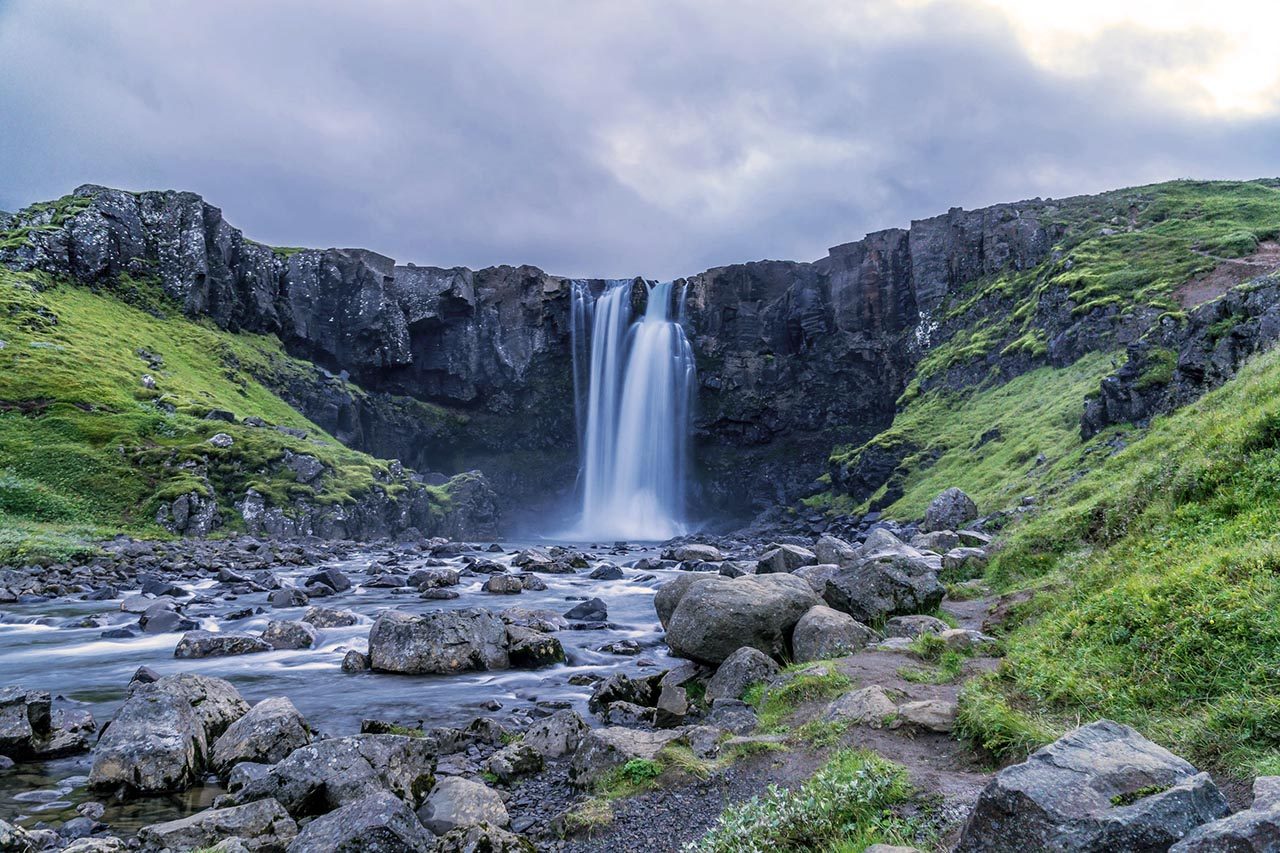
A Seyðisfjörður day that combines coastal birdlife, a waterfall and Eastfjords scenery.
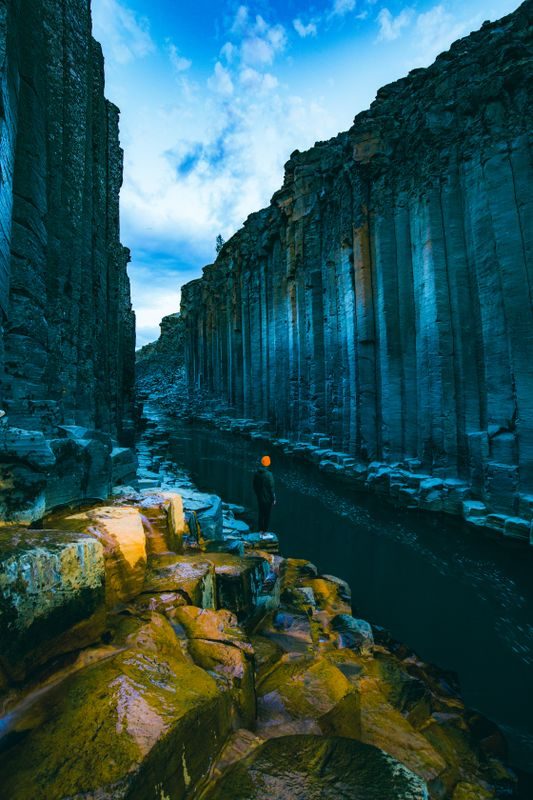
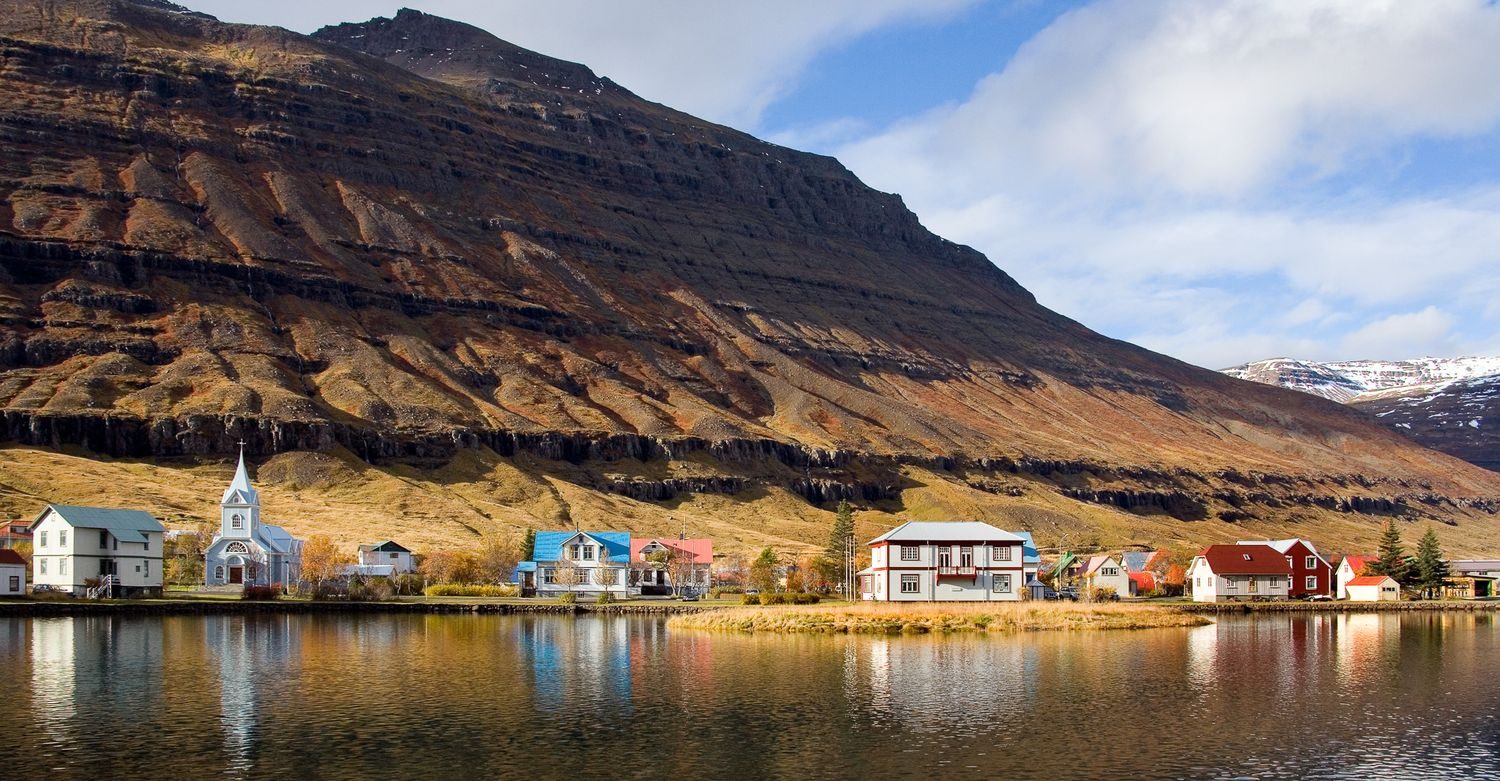
A scenic East Iceland route from Seyðisfjörður to one of the country’s most dramatic basalt canyons.
A shore-friendly East Iceland day to Stuðlagil Canyon and waterfall scenery.

A short East Iceland Super Jeep route with coastal views, rough tracks and local guiding.
FAQ about reindeers in Iceland
Are reindeers native to Iceland?
No. They were introduced from northern Norway in the 18th century. The surviving wild population is now found only in East Iceland.
What is the best time to see reindeers in Iceland?
Winter is often the most practical season because herds may move down from the highlands to lower grazing areas. Conditions vary, so there is never a guaranteed sighting.
Where should I look for reindeers?
Focus on East Iceland, especially routes around Snæfell, Fljótsdalur and Vopnafjörður. A guided Wild Reindeer Experience is the clearest bookable choice when you want local context.
Can I approach or feed a reindeer?
No. Keep a generous distance, stay quiet and never feed or follow a herd. If an animal changes its behaviour because of you, you are too close.
Can I see reindeers on a South Coast trip?
It can happen near the eastern edge of the South Coast, but it is unusual. Plan around East Iceland if reindeer are a priority, and treat any sighting elsewhere as a bonus.