American Tree Sparrow recorded in Iceland for first time
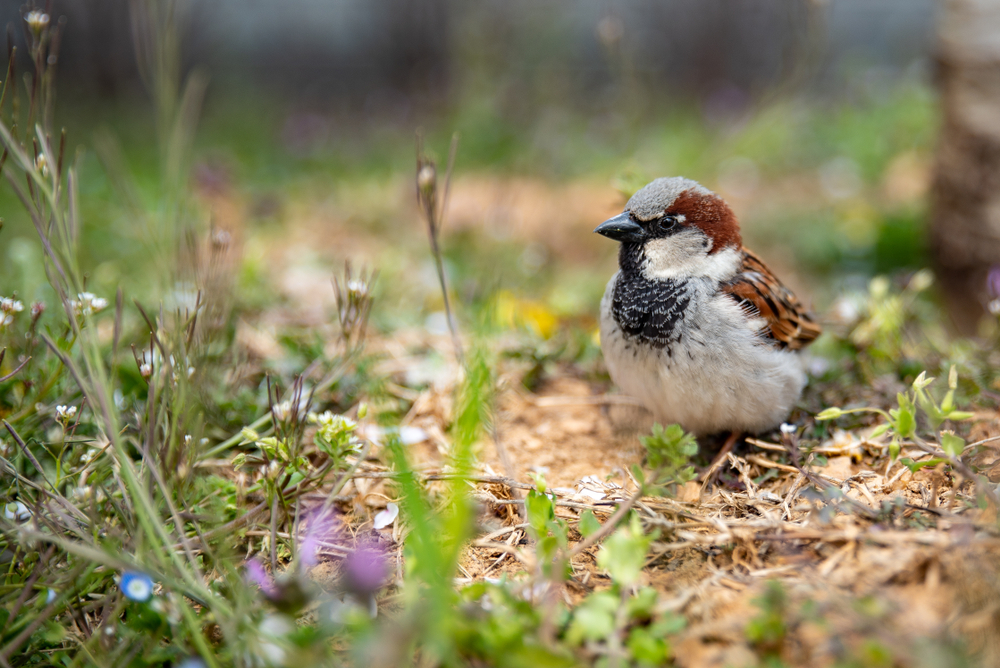 American Tree Sparrow (Viðartittlingur).
An American Tree Sparrow has been recorded in Iceland for the first time, after the small North American bird appeared at Miðdalur in Kjós. For birdwatchers, it is the kind of news that makes an ordinary patch of Icelandic countryside suddenly feel connected to the far side of the Atlantic.
Known in Icelandic as Viðartittlingur, the species had never previously been recorded in Iceland. Iceland Monitor and mbl.is report that its only earlier European record was in Scania, Sweden, around a decade ago.
On 13 July 2026, Icelandic ornithologist Jóhann Óli Hilmarsson confirmed the sighting to mbl.is after travelling to Miðdalur to see the bird. Dozens of birdwatchers have since made the journey to Kjós for a chance to spot this rare visitor.
A North American visitor in Kjós
Miðdalur lies in the green farming country of Kjós, north of Reykjavík and close to Laxá in Kjós and Hvalfjörður. It is roughly 40–50 km from central Reykjavík by road, usually less than an hour in normal conditions. That makes the record unusually accessible, but it is still a living rural landscape rather than a visitor attraction: give private land, local residents and the bird plenty of space.
The American Tree Sparrow is a small, alert-looking bird with a chestnut cap, a pale grey face, warm brown wings and a neat dark spot in the middle of the breast. It spends much of its time feeding on the ground or in low cover, picking at seeds, insects and berries. It is a bird of northern tundra and the edge of the boreal forest, breeding across Alaska and northern Canada before moving south for winter.
How did it get here?
No one can say exactly what brought this individual to Iceland. For a bird that normally lives in North America, a crossing to the North Atlantic is an extraordinary detour. Rare vagrants can be displaced by weather systems, lose their usual bearing during migration, or make a series of movements through the Arctic and Greenland. Whatever the route, the record is a reminder that Iceland sits in a fascinating place for birdlife: between continents, beneath busy migration routes and beside the open Atlantic.
Iceland is rightly famous for puffins, guillemots and vast seabird cliffs, yet its quieter habitats can be just as rewarding. A sheltered garden, wet meadow, estuary or patch of willow scrub may hold familiar Arctic breeders one day and a genuine surprise the next. For visiting birders, that mixture of dramatic coastlines and unpredictable rarities is part of the pleasure of travelling here.
A closer look at Viðartittlingur
Look for the chestnut cap, clean grey face, warm brown back and small breast spot. The gallery below shows how changeable the bird can look in different light and habitats.
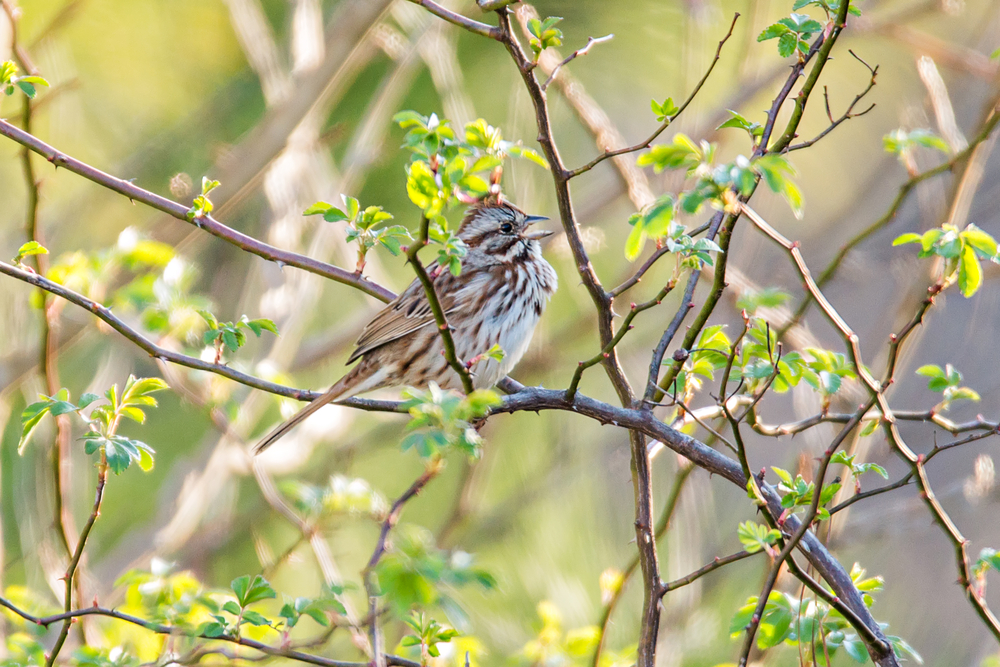
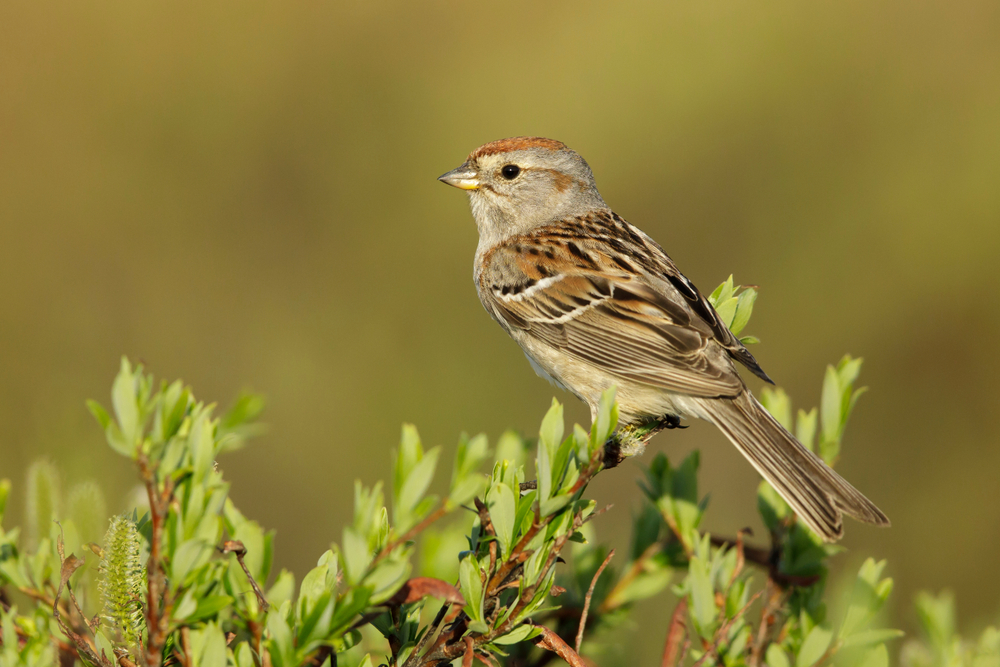
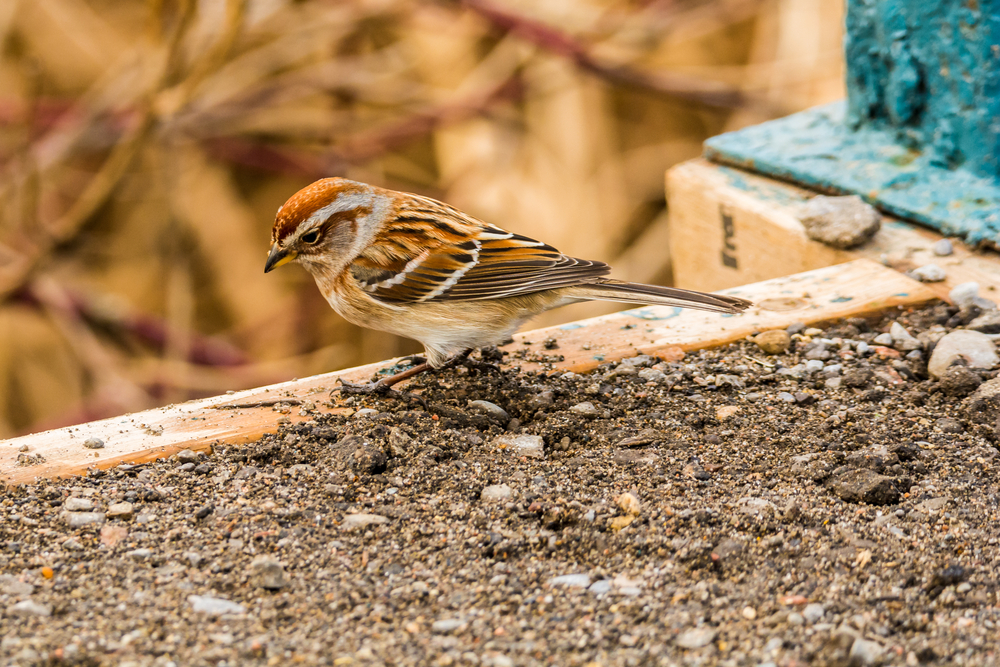
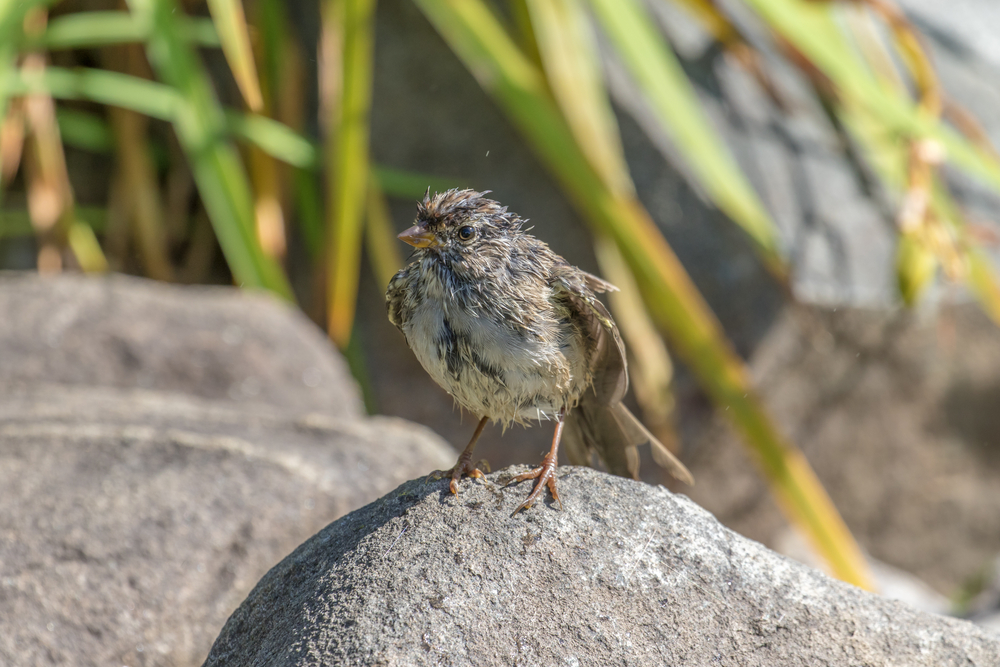
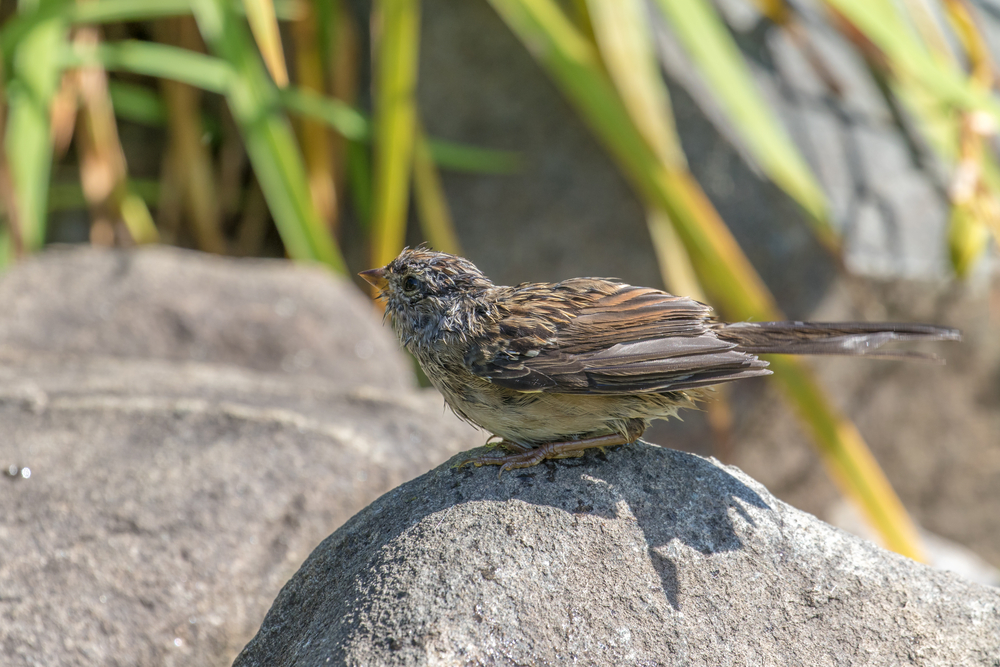
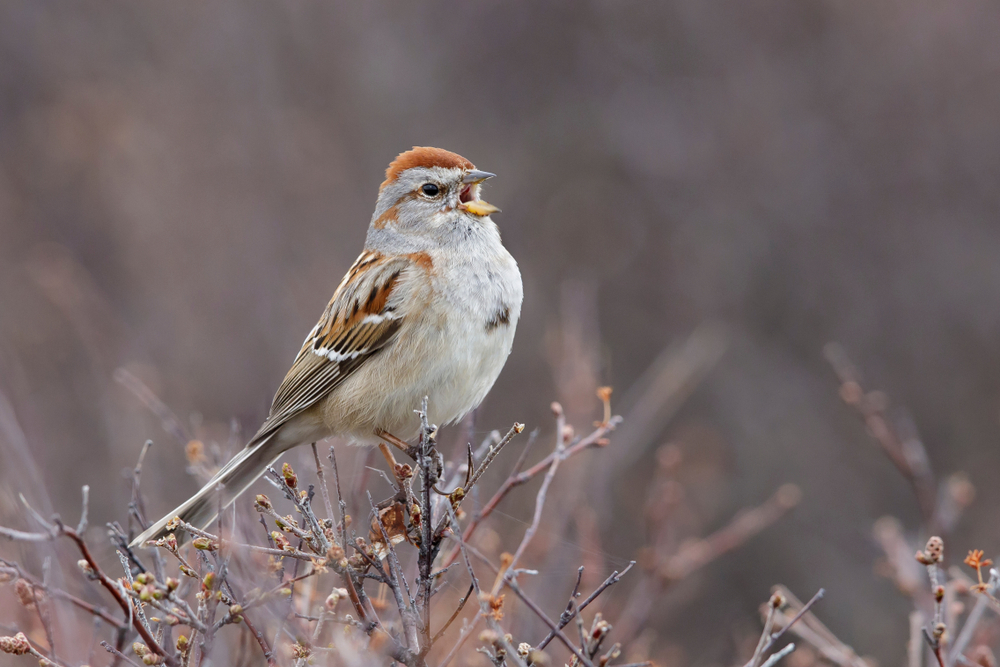
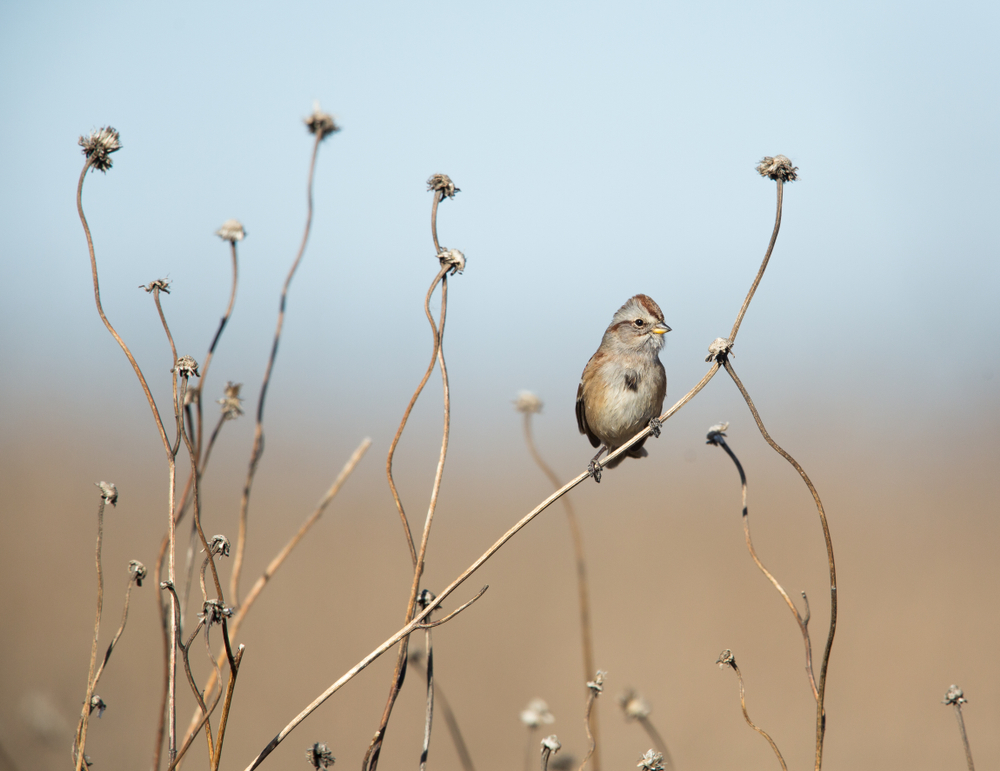
The chestnut cap and pale grey face are the first features many birders notice.
In breeding season, the bird is at home in tundra and open northern woodland.
American Tree Sparrows often feed low down, searching for seeds and insects.
Its warm brown wings contrast neatly with the cool grey head and breast.
The small dark breast spot is a useful field mark, although it can be hard to see.
Summer plumage shows the bird as a compact, lively sparrow of the northern landscape.
Subtle colours, a rusty cap and a short, conical bill make a satisfying identification challenge.
Bird and puffin tours in Iceland
Rare vagrants like the American Tree Sparrow are unpredictable, but birdlife is one of the strongest reasons to slow down in Iceland. Puffins are the classic seasonal favourite for many travellers: they nest around Iceland's sea cliffs and offshore islands in summer, and guided tours can make it easier to visit the right places at the right time without disturbing nesting birds.
Key points for travellers
- An American Tree Sparrow has been recorded in Iceland for the first time.
- The Icelandic name is Viðartittlingur.
- The bird was seen at Miðdalur in Kjós, roughly 40-50 km from central Reykjavík by road.
- The species normally breeds in Alaska and northern Canada and winters farther south in North America.
- This is a major vagrant record, not a predictable birdwatching attraction.
Source: Iceland Monitor, mbl.is and Wikipedia.