Sky Lagoon Travel Guide: Skjól Ritual, Ocean Views, Keimur Cafe and the Best Tours
About the Author


Sky Lagoon Travel Guide: Skjól Ritual, Ocean Views, Keimur Cafe and the Best Tours
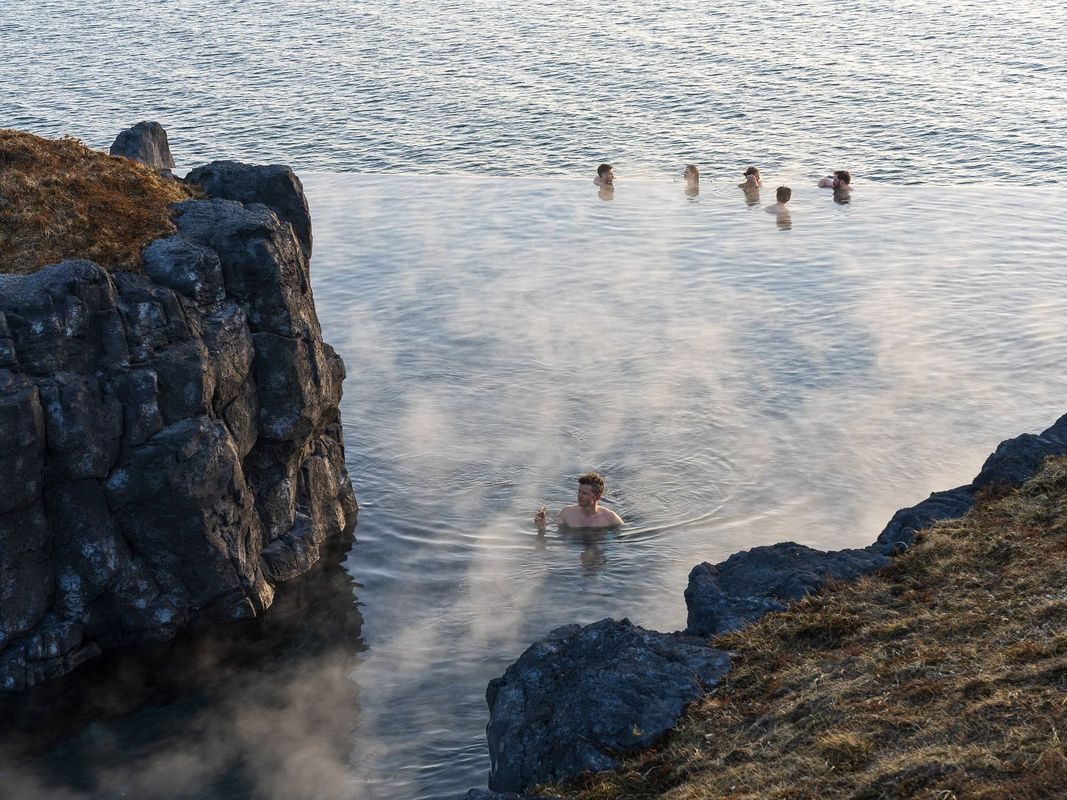
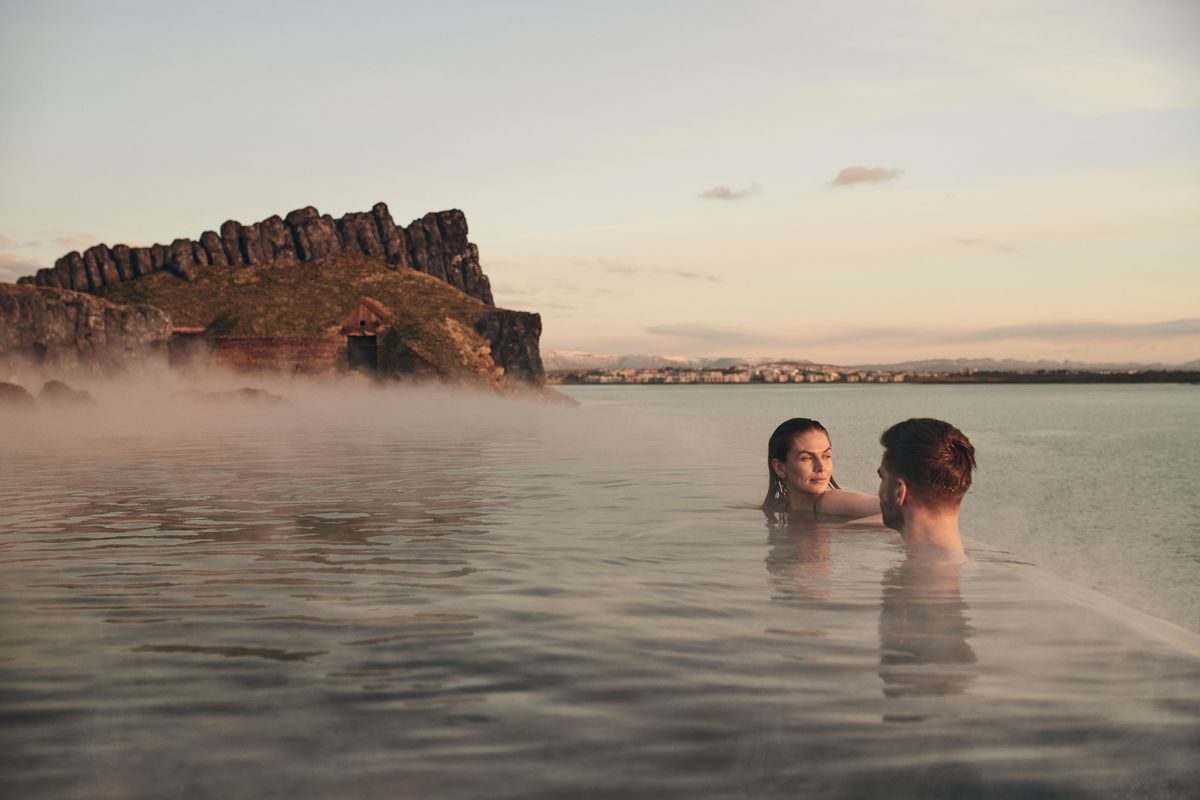
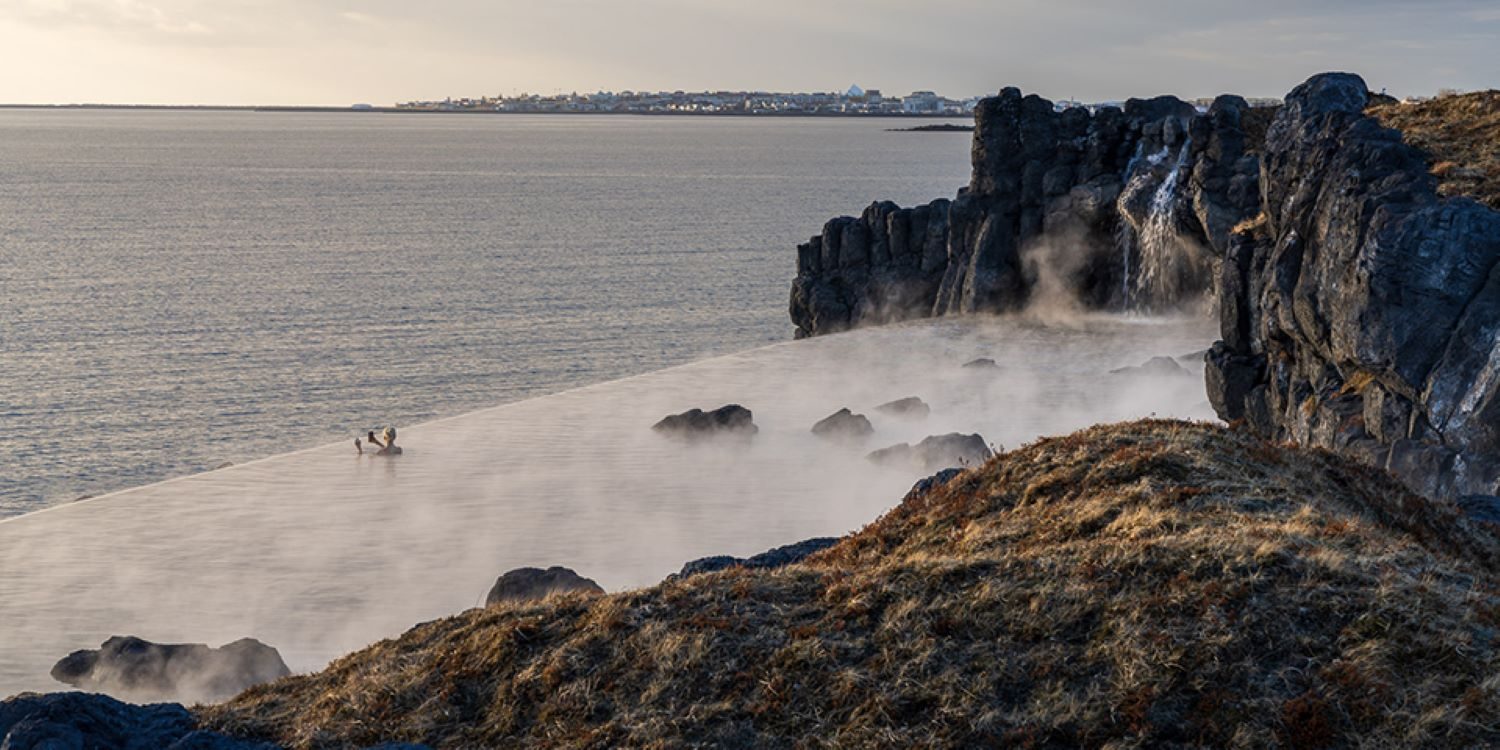
Sky Lagoon is one of the easiest and most atmospheric geothermal experiences near Reykjavik: an ocean-edge lagoon in Kopavogur where warm water, lava-rock walls, turf-house design, sea views and Icelandic bathing culture come together in one polished spa visit.
This guide covers what makes Sky Lagoon special, how the Skjól ritual works, the difference between Saman and Sér passes, what to know about Keimur Cafe, Smakk Bar and the lagoon bar, how to get there, when to visit, and which Fun Iceland tours combine Sky Lagoon with the Golden Circle, South Coast, Northern Lights, Reykjanes, private transfers and simple admission packages.
Need a simple Sky Lagoon plan?
If Sky Lagoon is the main goal, book a Saman or Sér pass with transfer and allow around two hours for the lagoon, ritual and changing time. If you want to turn it into a full Iceland day, combine Sky Lagoon with the Golden Circle, Fridheimar, South Coast or a Northern Lights hunt depending on the season.
Jump to
Quick facts: Sky Lagoon at a glance
- Location: Karsnes Harbour in Kopavogur, a short drive from central Reykjavik.
- Experience style: geothermal oceanfront spa with infinity-edge views, lava-inspired design and a structured bathing ritual.
- Known for: warm lagoon, Atlantic views, turf-house architecture, Skjól ritual, sauna with sea view, cold plunge, steam, body scrub and swim-up lagoon bar.
- Good for: couples, friends, solo travellers, spa lovers, first-time Iceland visitors, evening plans, Northern Lights combinations and relaxed endings to sightseeing days.
- Typical visit length: about 2 hours for admission-only visits; longer if you add food, drinks or combine it with a full-day tour.
- Best simple booking: Saman Pass with transfer or Sér Pass with transfer.
- Best combo days: Golden Circle and Sky Lagoon, South Coast and Sky Lagoon, or Sky Lagoon and Northern Lights in winter.
Sky Lagoon works especially well because it is close to Reykjavik but still feels like a destination. You can finish a busy sightseeing day in warm water, watch the ocean from the infinity edge, move through the ritual at your own pace and then stay for a drink or a light meal before heading back to your hotel.
Best Sky Lagoon tours and admission packages
The easiest way to book Sky Lagoon depends on how much of the day you want planned. Some tours are simple admission-and-transfer packages. Others turn Sky Lagoon into the relaxed final chapter of a Golden Circle, South Coast, Reykjanes or Northern Lights day.
Sky Lagoon admission and transfer tours
Choose these if the lagoon itself is the priority and you want transport handled from Reykjavik.
A smooth Iceland spa experience with easy booking, relaxing geothermal water and comfortable travel details handled for you.
A smooth Iceland spa experience with easy booking, relaxing geothermal water and comfortable travel details handled for you.
A smooth Iceland spa experience with easy booking, relaxing geothermal water and comfortable travel details handled for you.
Golden Circle and Sky Lagoon tours
These tours pair classic Iceland sights like Thingvellir, Geysir, Gullfoss and sometimes Fridheimar with a warm Sky Lagoon ending.
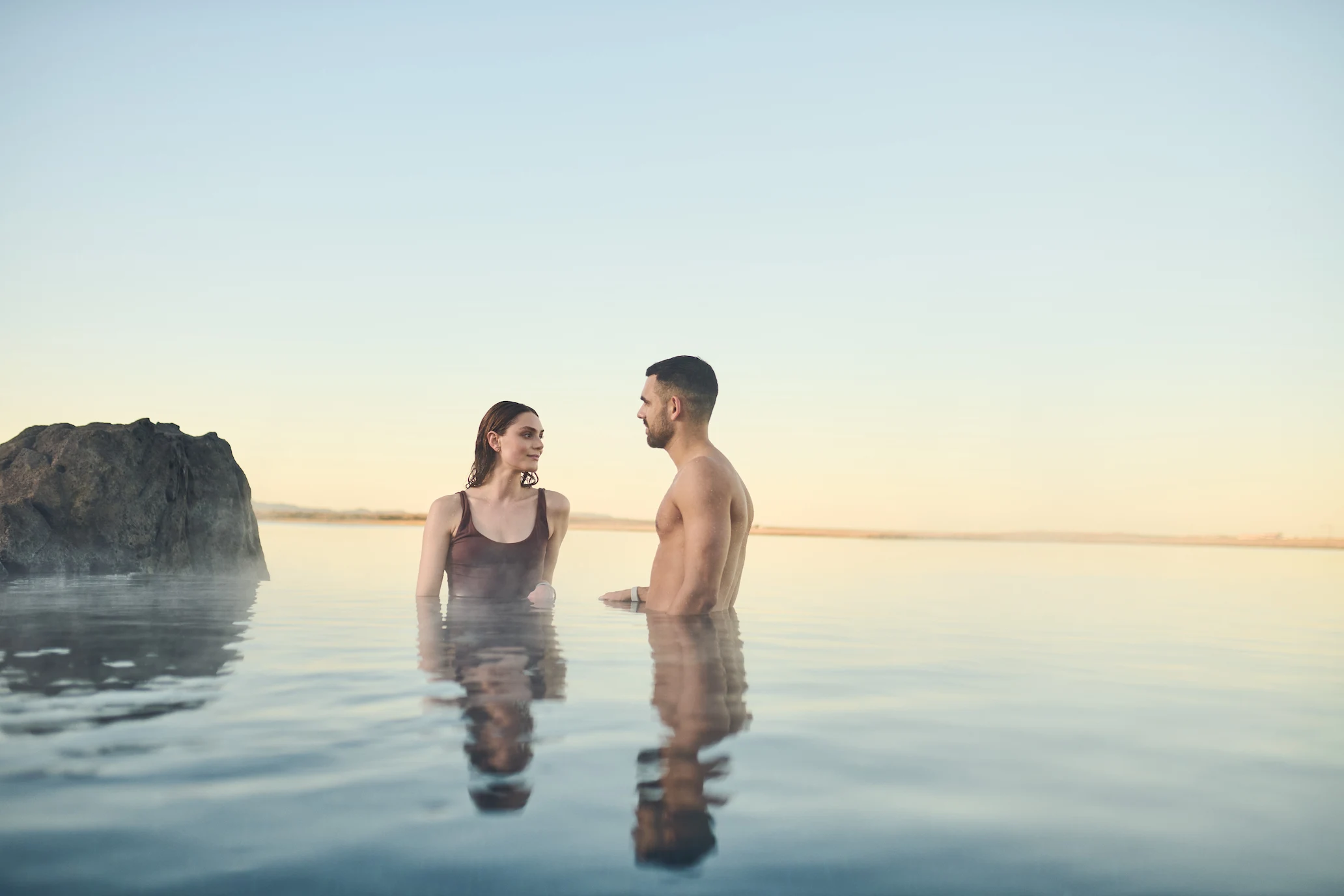
A Sky Lagoon experience with ocean-edge geothermal bathing, easy Reykjavik logistics and time to slow down.
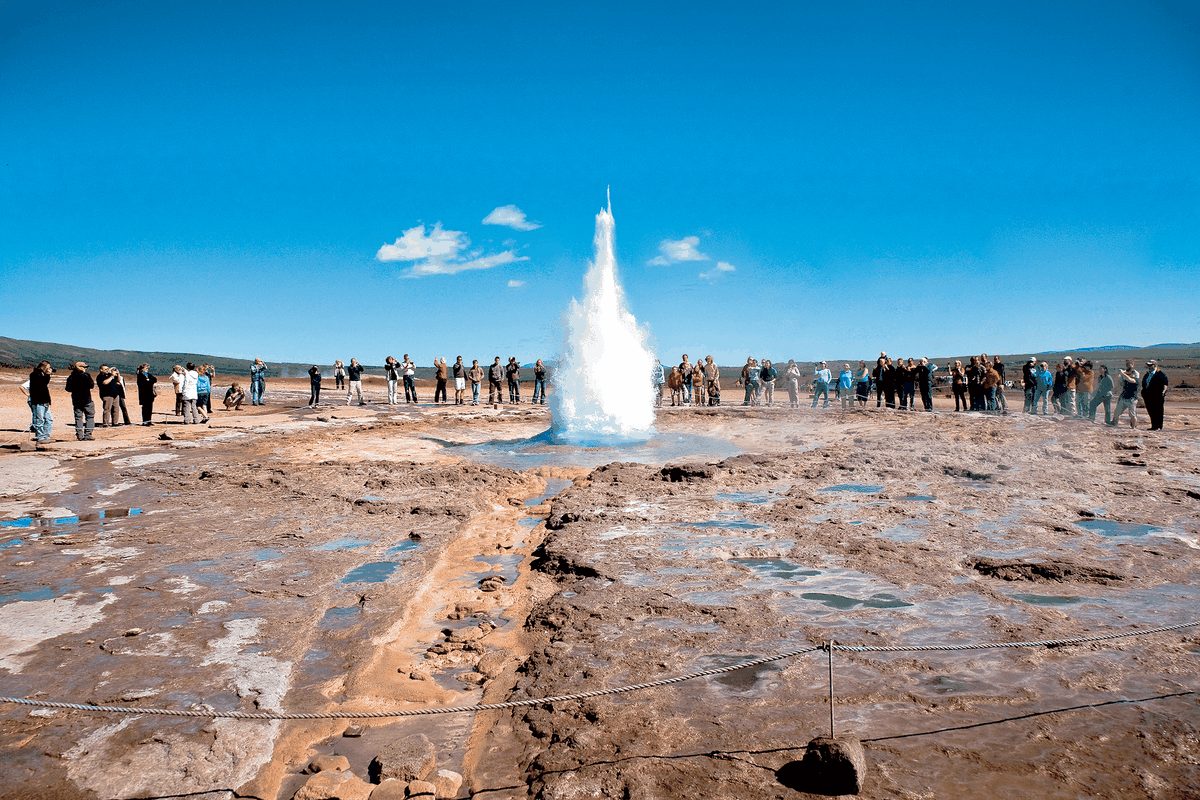
A smooth Iceland spa experience with easy booking, relaxing geothermal water and comfortable travel details handled for you.
A polished Golden Circle day combining classic sights, Fridheimar tomato farm atmosphere and a warm Sky Lagoon finish near Reykjav...
A smooth Iceland spa experience with easy booking, relaxing geothermal water and comfortable travel details handled for you.
South Coast and Sky Lagoon tours
South Coast combinations are longer days, but they make sense if you want waterfalls, black sand landscapes and a geothermal spa finish in one booking.
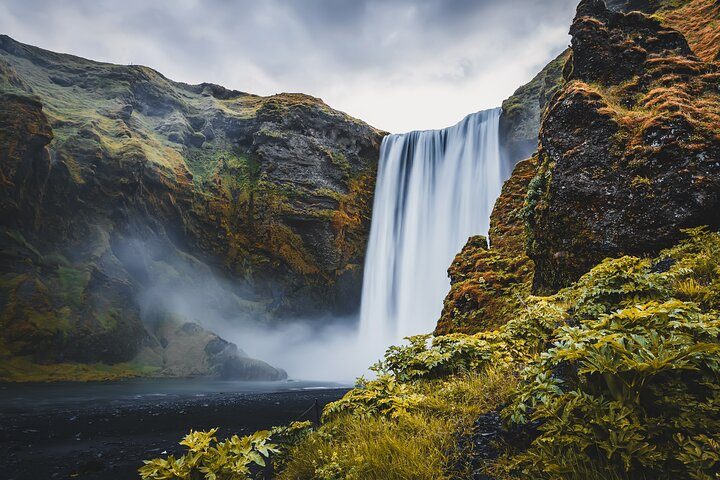
A scenic South Coast day with waterfalls and black sand landscapes, followed by a relaxing Sky Lagoon Saman Pass visit.
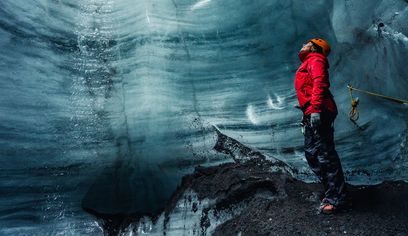
A South Coast sightseeing day paired with a premium Sky Lagoon Sér Pass bathing experience near Reykjavík.
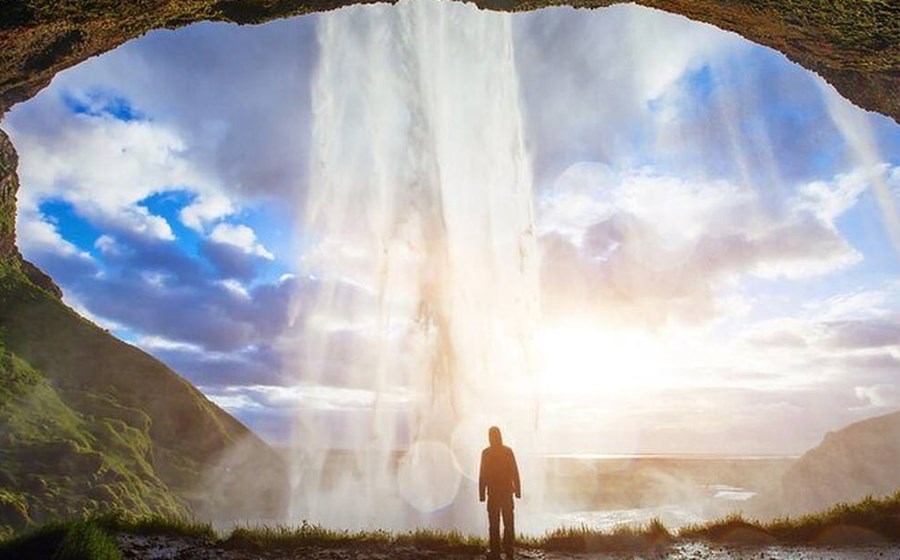
Evening, Northern Lights and Reykjanes combinations
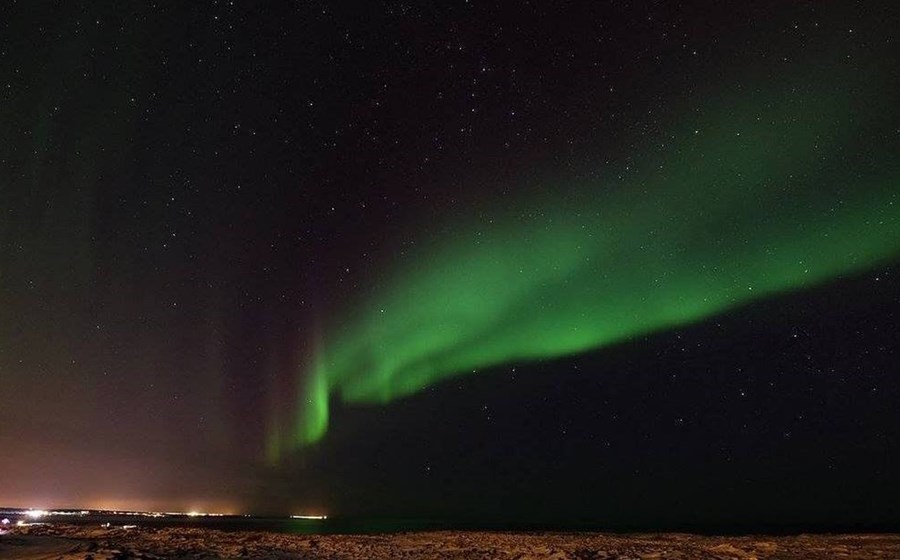
In winter, Sky Lagoon works beautifully before a Northern Lights hunt: you slow down first, then head out toward darker skies. Reykjanes and volcanic-area combinations are strong for travellers who want geothermal bathing connected to the lava landscapes southwest of Reykjavik.
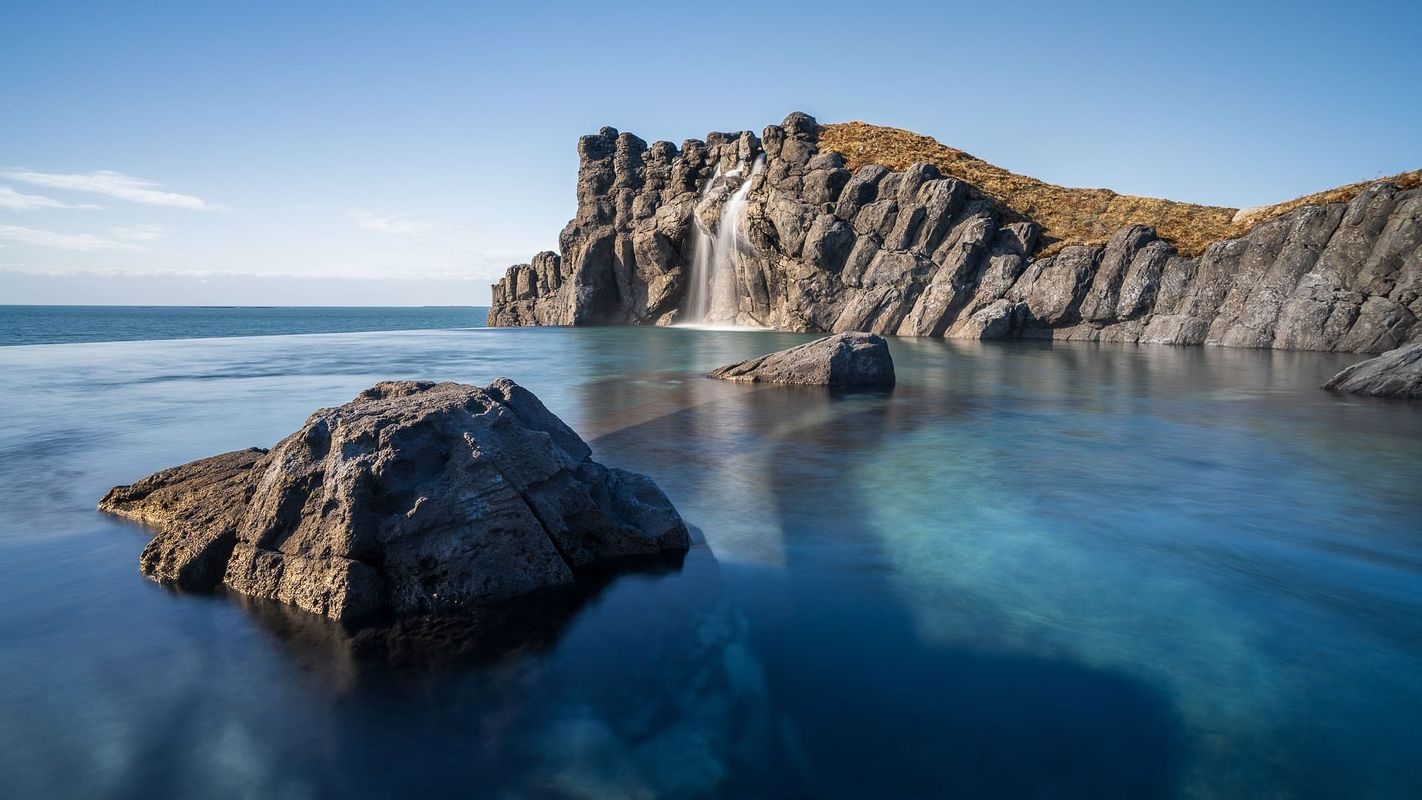
A North Iceland Northern Lights hunt with darker skies, local guiding and a calmer alternative to the Reykjavik aurora routes.
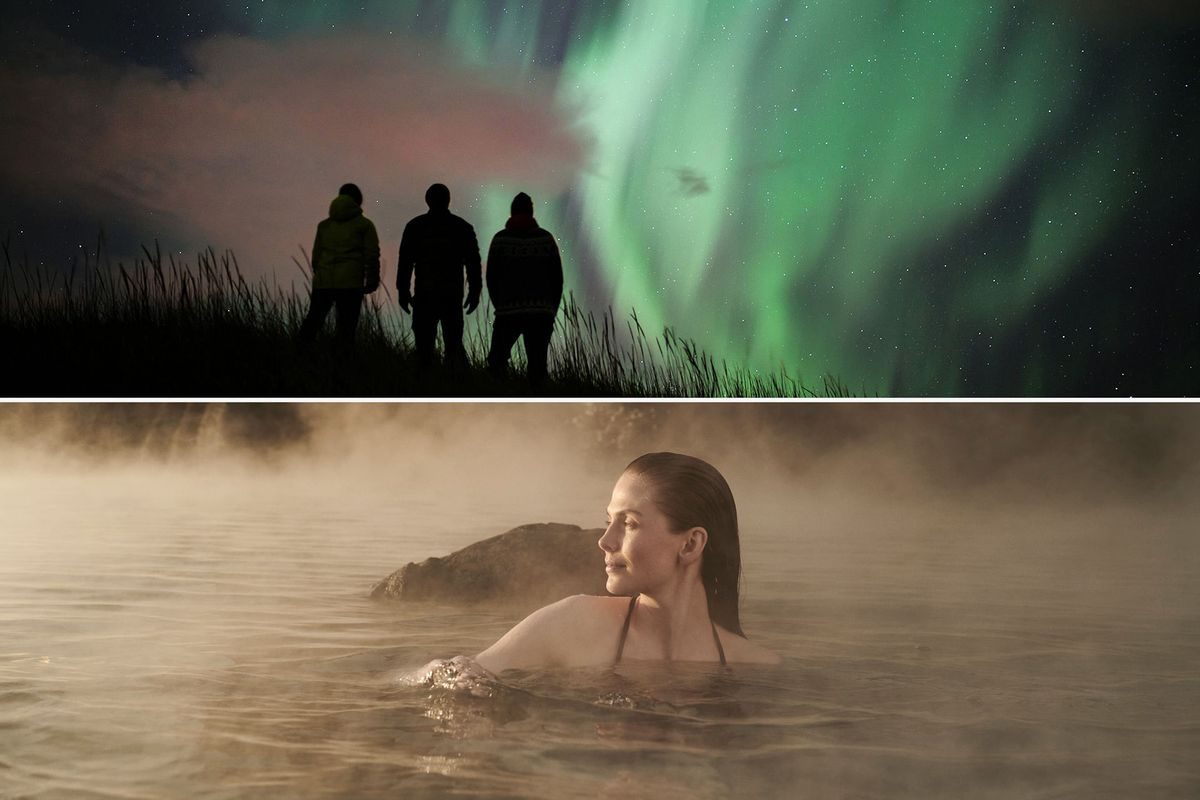
A Northern Lights tour focused on darker skies, local route planning and a better chance to experience the aurora.
A smooth Iceland spa experience with easy booking, relaxing geothermal water and comfortable travel details handled for you.
Private and luxury Sky Lagoon transfers
Private transfers are best if you want a smoother door-to-door experience, are travelling with luggage, or want to include Sky Lagoon on an arrival, departure or custom Reykjavik day.
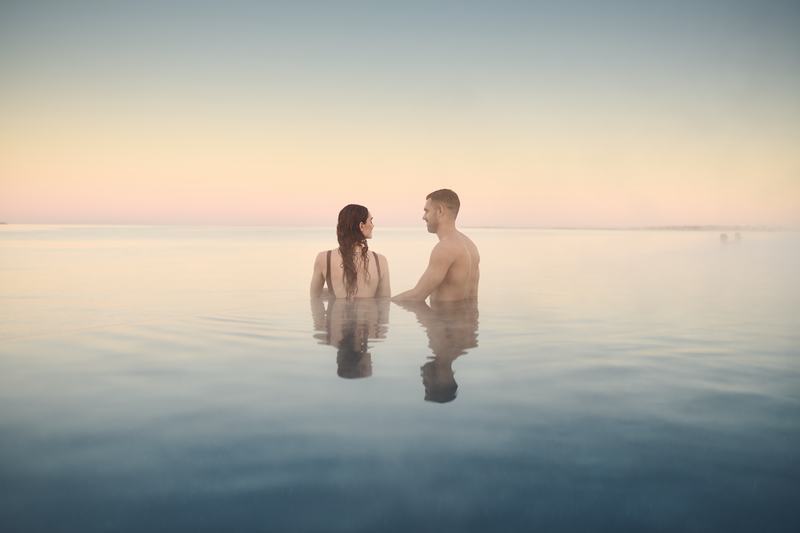
A Superjeep tour focused on Sky Lagoon, with warm ocean-edge bathing, easy transfers and a relaxed Reykjavik experience.
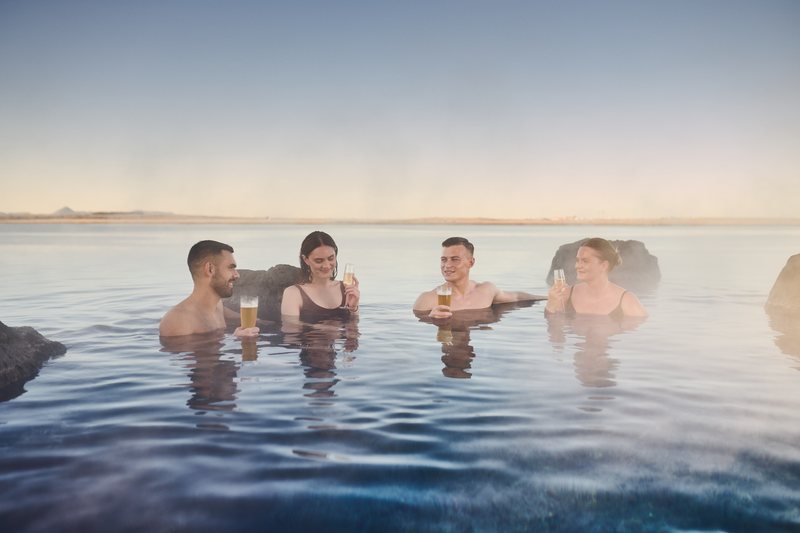
A Superjeep tour focused on Sky Lagoon, with warm ocean-edge bathing, easy transfers and a relaxed Reykjavik experience.
Why Sky Lagoon is special
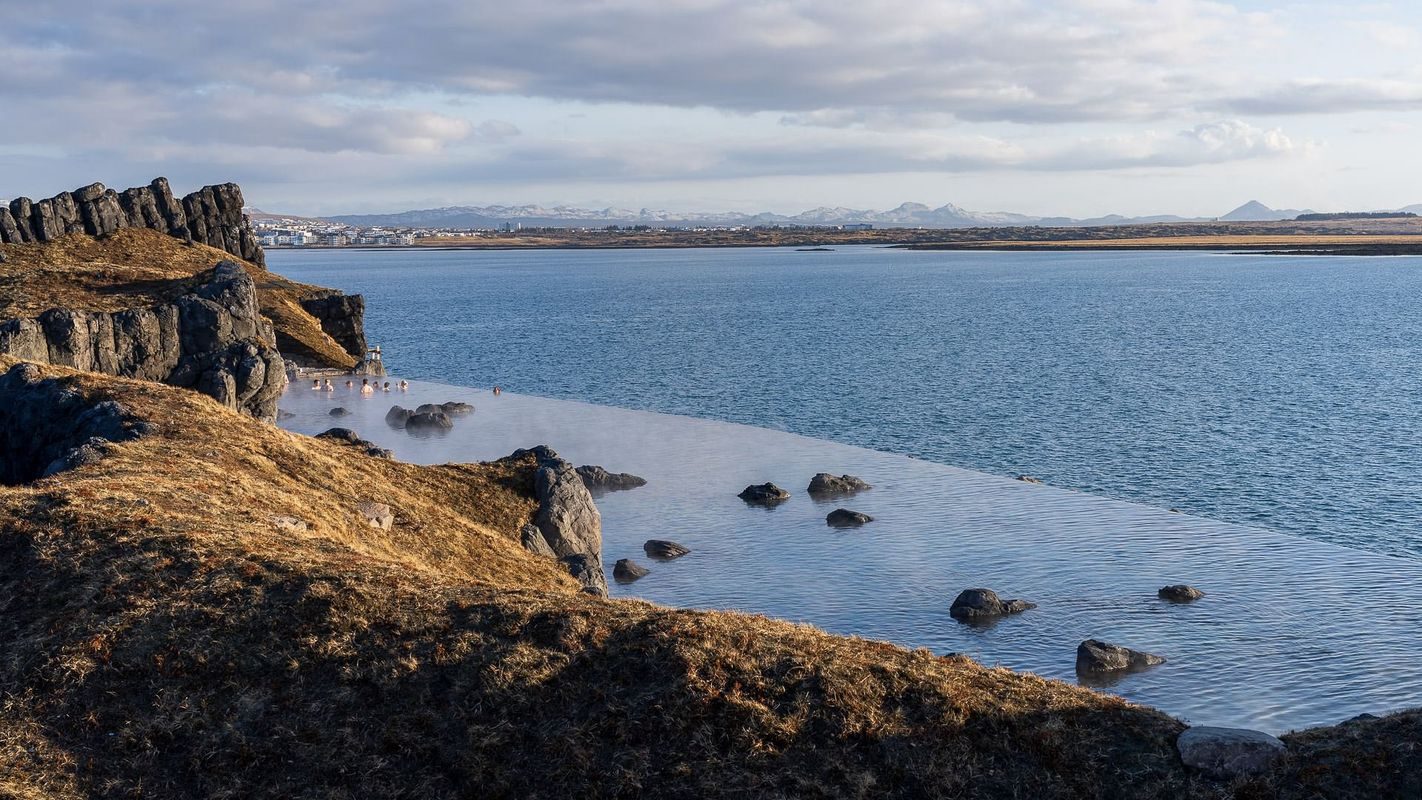
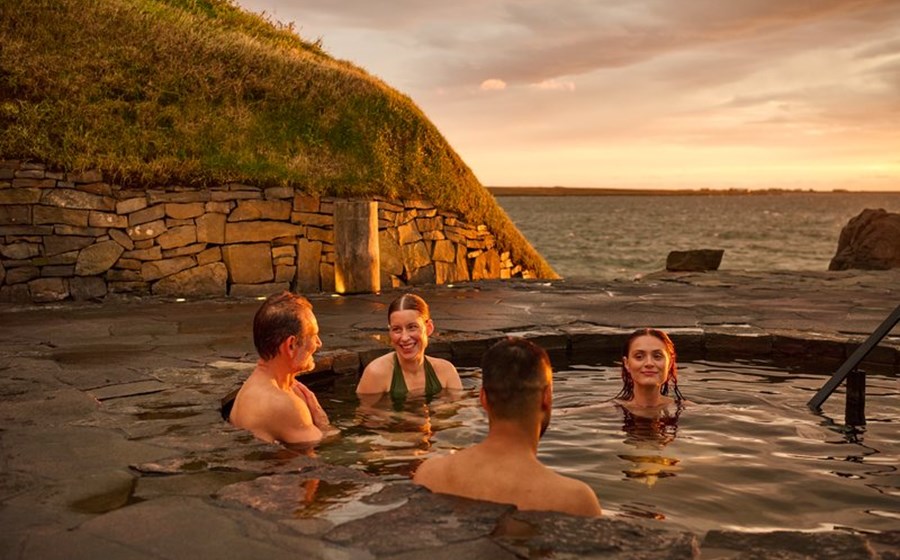
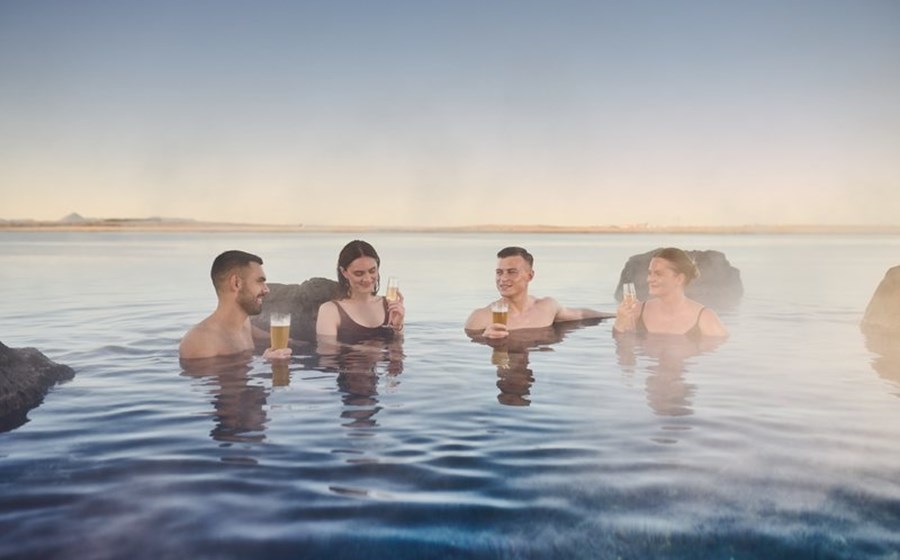
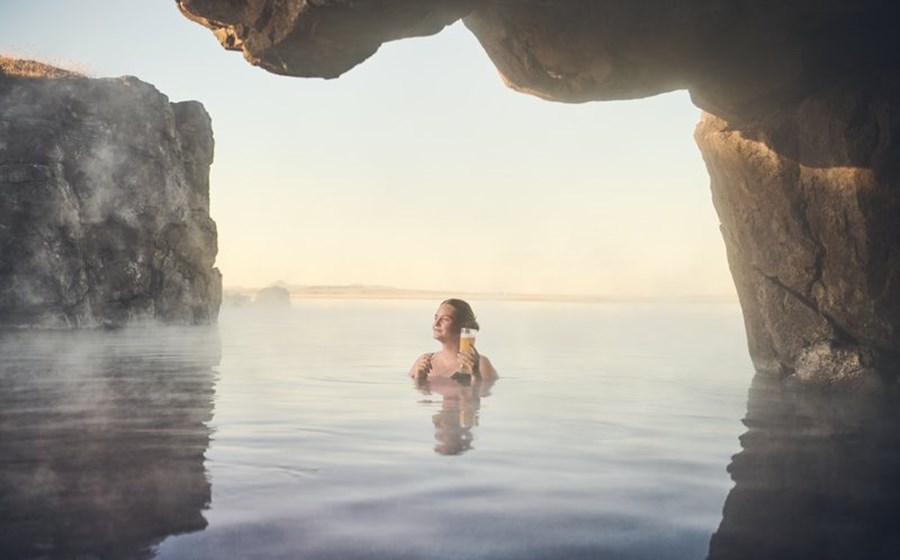
Sky Lagoon is not just a hot pool. Its appeal comes from the way the setting, architecture and ritual are tied together. The lagoon sits beside the sea, with dark rock walls, turf-inspired buildings and a view that can shift from calm blue water to low winter light, wind, rain, sunset or even Northern Lights.
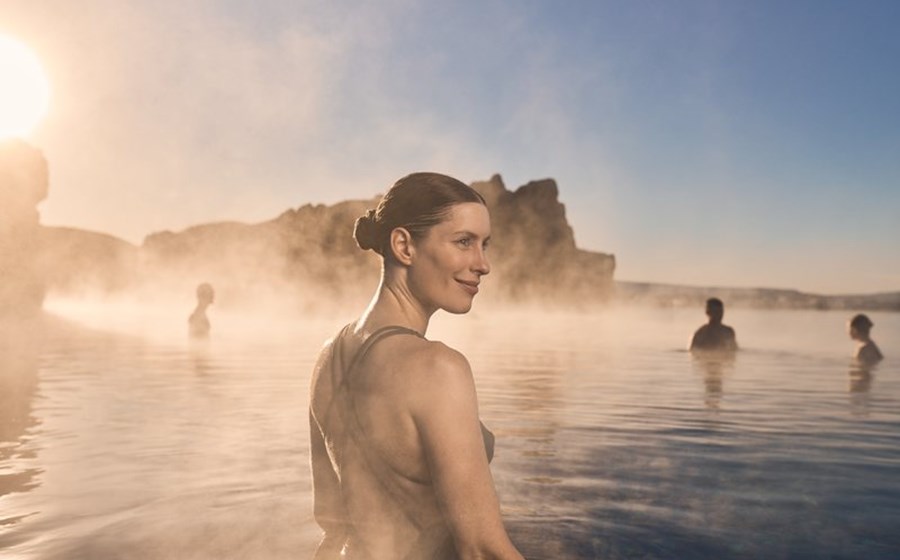
The main lagoon is designed for slow movement rather than swimming laps. Most visitors drift between the entrance tunnel, the warmer corners, the infinity edge, the waterfall, the lagoon bar and the ritual area. The best moment is often the first full view across the water, when the edge of the lagoon seems to meet the ocean beyond it.
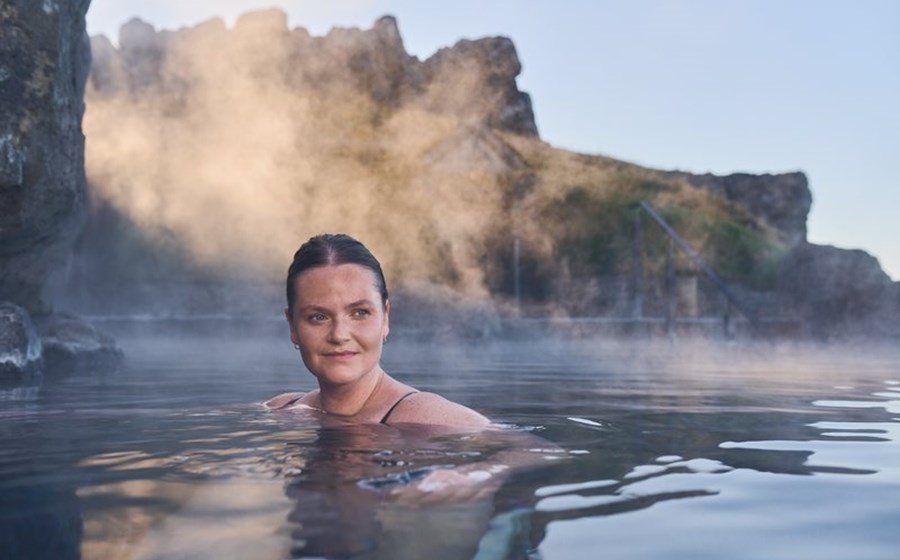
It is also a good fit for travellers who want a premium spa atmosphere without driving far from Reykjavik. Compared with wilder natural hot springs, Sky Lagoon is polished and structured. Compared with a standard swimming pool, it feels more scenic, more immersive and more connected to Icelandic bathing culture.
The Skjól ritual: the 7 steps in detail
The Skjól ritual is the part of Sky Lagoon that turns the visit from a simple soak into a complete geothermal spa experience. The sequence is built around contrast: warm water, cold water, dry heat, cool mist, scrub, steam and a final refreshment. You do not need to rush it. The best way to enjoy the ritual is to slow down, listen to your body and let each step reset the pace before moving to the next one.
Skjól ritual steps
1 Laug - warm lagoon bathing. 2 Kuldi - cold plunge. 3 Ylur - sauna heat. 4 Súld - cold mist. 5 Mýkt - body scrub. 6 Gufa - steam. 7 Saft - a final Icelandic refreshment.
1. Laug - begin in the warm lagoon
The first step is the lagoon itself. This is where you arrive, breathe out and let the warm geothermal water do the first work. Do not treat it only as the doorway to the ritual. Spend a few minutes finding the view, feeling the sea air on your face and letting your shoulders drop before moving on.
This step matters because your body needs time to warm up gradually. If you have just come from a windy sightseeing day, a winter walk or a long transfer, Laug is where the day starts to soften. It also sets the mood: Sky Lagoon is at its best when you move slowly rather than trying to tick off every feature quickly.
2. Kuldi - the cold plunge
Kuldi is the sharpest contrast in the ritual: a short cold-water plunge after the warmth of the lagoon. It can feel intense for a few seconds, especially in winter, but that is part of the point. Keep it brief, breathe steadily and step out before it stops feeling controlled.
For many visitors, this is the moment that wakes the body up. The warm lagoon is calming; the cold plunge is clarifying. You do not need to prove anything here. A quick dip is enough, and travellers who are sensitive to cold can keep it very short.
3. Ylur - the sauna
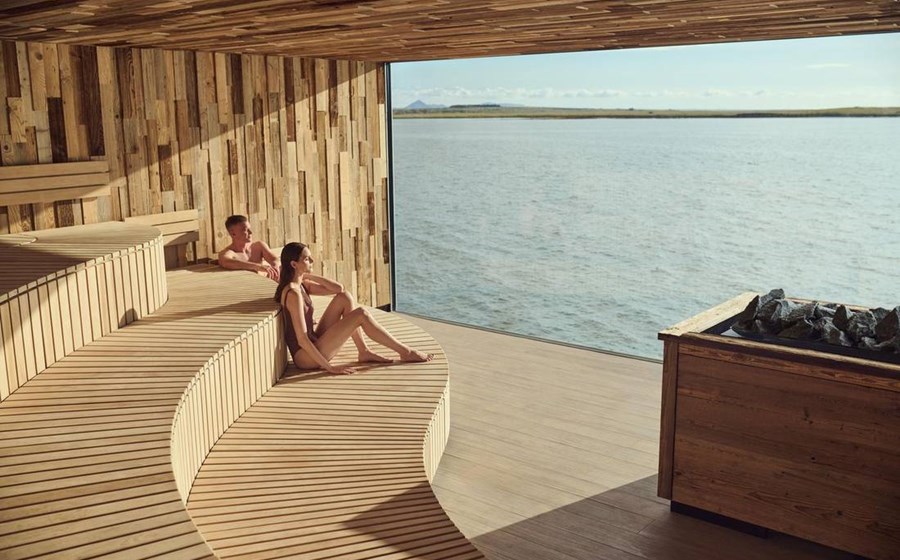
After the cold plunge, Ylur brings the body back into deep heat. The sauna is one of the most memorable parts of the ritual because it gives you stillness, warmth and a long visual pause. Sit down, let your breathing settle and give yourself a few minutes before deciding whether to stay longer.
The sauna step works best when you do less. Do not check the time constantly. Let the heat build, notice the quiet, and leave while it still feels good. If you are new to saunas, choose a lower bench if available, sit upright, and step out as soon as you feel light-headed or overheated.
4. Súld - cooling mist
Súld is the cool mist step after the sauna. It is gentler than the cold plunge but still refreshing, especially after dry heat. Let the mist cool your skin, slow your breathing and bring your temperature back down before the scrub step.
This is a good moment to reset rather than hurry. The ritual is designed as a sequence of contrasts, and Súld is the bridge between sauna heat and the softer, skin-focused part of the experience.
5. Mýkt - the body scrub
Mýkt is the tactile part of the ritual. This is where you apply the body scrub and move from temperature contrast into skin care. Work gently rather than aggressively, especially if your skin is sensitive from cold weather, wind or a long day outdoors.
The scrub step is also where many visitors start to feel the ritual shift from dramatic to restorative. The cold plunge and sauna are big sensations; Mýkt is slower and more personal. Take your time, avoid the face unless instructed otherwise, and let the product prepare your skin for the steam.
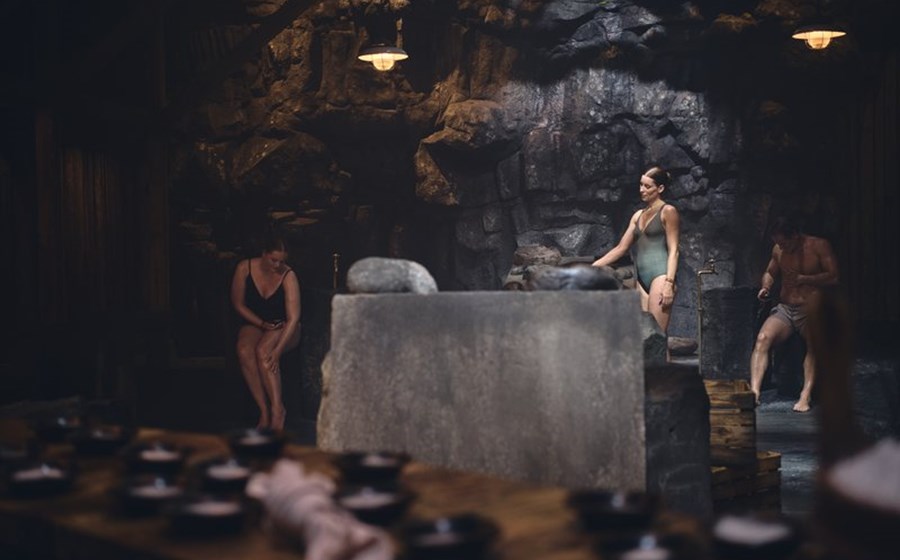
6. Gufa - steam
Gufa is the steam step, where warmth and humidity help the scrub settle before you rinse. It feels different from the sauna: softer, wetter and more enclosed. Breathe slowly and let the steam do the work.
This is a good step to keep unhurried but not excessive. If the steam feels too heavy, step out earlier. The ritual should feel restorative, not like endurance training. When you are ready, rinse thoroughly so the skin feels clean before the final step.
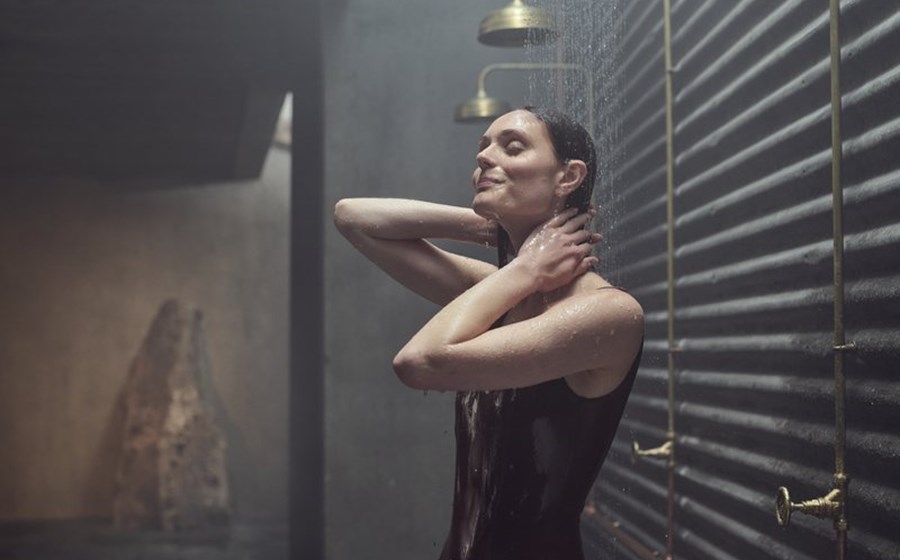
7. Saft - the final refreshment
Saft is the closing note of the ritual: a small refreshment after the heat, cold, scrub and steam. It gives the sequence a clear ending and helps you transition back from spa mode into the rest of your visit.
After Saft, return to the lagoon if you have time. This final soak is often the best part: the body is warm, the skin feels fresh, and the whole visit slows down again. If you are heading to Keimur Cafe, Smakk Bar, a transfer or an evening tour afterwards, build in a little extra time so you do not undo the calm by rushing out.
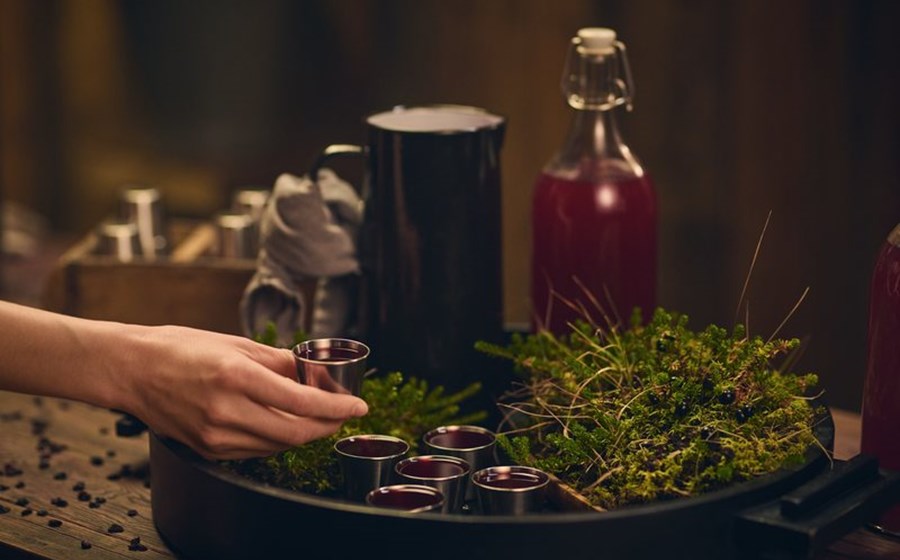
The ritual is the main reason to choose Sky Lagoon over a quick soak. It gives the visit a beginning, middle and ending, and it suits Iceland especially well: hot water, cold water, sea air, steam, silence and a gradual return to the lagoon.
Saman Pass or Sér Pass: which should you choose?
The two main Sky Lagoon pass types are Saman and Sér. Both are built around the lagoon and the Skjól ritual, so the choice is mostly about changing-room comfort and how private you want the arrival and departure to feel.
Saman Pass is the practical choice for most travellers. It includes the main Sky Lagoon experience and the ritual, with public changing facilities. Choose it if you want the essential experience at a better price, especially if you are comfortable with Icelandic pool-style changing rooms.
Sér Pass is the more premium choice. It is better if you prefer private changing facilities, are visiting for a special occasion, or want the whole experience to feel smoother and more personal from start to finish.
If you are booking a combination tour, check whether it includes Saman or Sér. South Coast and Golden Circle tours may be sold in both versions, and the difference matters if you care about changing-room privacy.
Keimur Cafe, Smakk Bar and the lagoon bar
Food and drink are part of the Sky Lagoon experience, especially if you are visiting after a long tour or before an evening activity. The lagoon bar is the easiest option while you are in the water, with drinks available without leaving the warm lagoon.
Keimur Cafe is the relaxed cafe option for coffee, light bites and baked goods before or after bathing. It is useful if your Sky Lagoon visit sits between hotel check-in, airport timing or an evening tour. For many travellers, this is the place to slow down after changing, sit somewhere warm and extend the spa feeling a little longer.
Smakk Bar is the better choice if you want a more Icelandic tasting-style stop. It is designed around small plates, drinks and a cozy post-lagoon atmosphere, so it works well for couples, friends and anyone who wants the visit to feel more like an evening out than a simple transfer-and-soak.
If you are taking a Northern Lights tour after Sky Lagoon, eat something before departure and avoid rushing. The best evening plan is calm: lagoon, ritual, light food, then a guided aurora hunt if the forecast is promising.
When to visit Sky Lagoon
Morning is good if you want a calm start and lighter crowds. It also works well before exploring Reykjavik or driving onward.
Afternoon is the best fit after a Golden Circle or South Coast tour. The warm water feels especially good after wind, rain, sightseeing and time in a minibus.
Evening is the most atmospheric time, particularly in winter. You may get low light, city glow, darker skies and a better transition into dinner or a Northern Lights tour.
Summer gives long daylight and open sea views late into the evening. Winter gives colder air, stronger steam, darker evenings and a more dramatic hot-cold contrast.
Getting to Sky Lagoon from Reykjavik
Sky Lagoon is close enough to Reykjavik that transport is simple, but booking a transfer can make the day easier. If you do not have a rental car, choose a pass with transfer or a combo tour that includes pickup and drop-off. That removes the need to coordinate taxis, public transport timing or parking.
If you are self-driving, allow extra time for changing, showering, the ritual and a relaxed exit. The visit is much better when it is not squeezed into a tiny gap between other plans.
Suggested Sky Lagoon itineraries
Easy Reykjavik spa plan
Book Sky Lagoon Saman Pass with Transfer or Sky Lagoon Sér Pass with Transfer. Spend around two hours on the lagoon and ritual, then add Keimur Cafe or Smakk Bar before returning to Reykjavik.
Golden Circle plus Sky Lagoon
Start with Thingvellir, Geysir and Gullfoss, add Fridheimar if your chosen tour includes it, then finish in the warm water at Sky Lagoon. This is one of the most balanced sightseeing-and-spa days from Reykjavik.
South Coast plus Sky Lagoon
Choose this if you want a big scenic day: waterfalls, black sand coast or glacier views depending on the route, followed by a structured geothermal finish. It is a long day, but the lagoon makes the ending feel softer.
Winter evening plan
Book Sky Lagoon and Northern Lights. Bathe first, eat lightly, then head out with a guide for the aurora search. The Northern Lights are never guaranteed, but the lagoon makes the evening worthwhile even before the sky comes into play.
Sky Lagoon FAQ
Yes, especially if you want a premium geothermal spa close to Reykjavik with ocean views and a structured ritual. It is easy to fit into a city stay and works well as the relaxing end to a sightseeing day.
Best Sky Lagoon tours

Float beside the North Atlantic in Sky Lagoon’s warm infinity-edge water, follow the seven-step Skjól ritual and enjoy simple roun...

Choose an elevated Sky Lagoon experience with private changing facilities, the complete seven-step Skjól ritual and smooth return ...

Discover Golden Circle Fridheimar & Sky Lagoon Tour, a richly varied Icelandic experience where the Golden Circle’s tectonic histo...

Discover Golden Circle and Sky Lagoon, a richly varied Icelandic experience where the Golden Circle’s tectonic history, geothermal...

A 13-hour small-group day pairing South Coast waterfalls, glacier scenery and Reynisfjara with an evening soak and the seven-step ...

Begin in geothermal warmth overlooking the North Atlantic, then trade the lagoon’s glow for Iceland’s dark countryside and a guide...