Reynisdrangar
Close to the town of Vík in the South of Iceland Reynisdrangar rise up from the Atlantic Ocean about 66m (217ft) in the air and they can be seen from both the black sand beach in Vík and from the black pebble beach Reynisfjara. Reynisdrangar are beautifully formed basalt sea stacks and a nesting place for many seabirds like the Arctic terns, fulmars and puffins.
Plan Reynisdrangar with route advice for Reynisfjara, Vik, South Coast tours, safe viewpoints, nearby towns, coordinates and FAQ.
Quick guide to Reynisdrangar
| Location | South Iceland, off Reynisfjara black sand beach near Vik |
| Best for | Sea stacks, black-sand beach photography, South Coast sightseeing, folklore and coastal route planning |
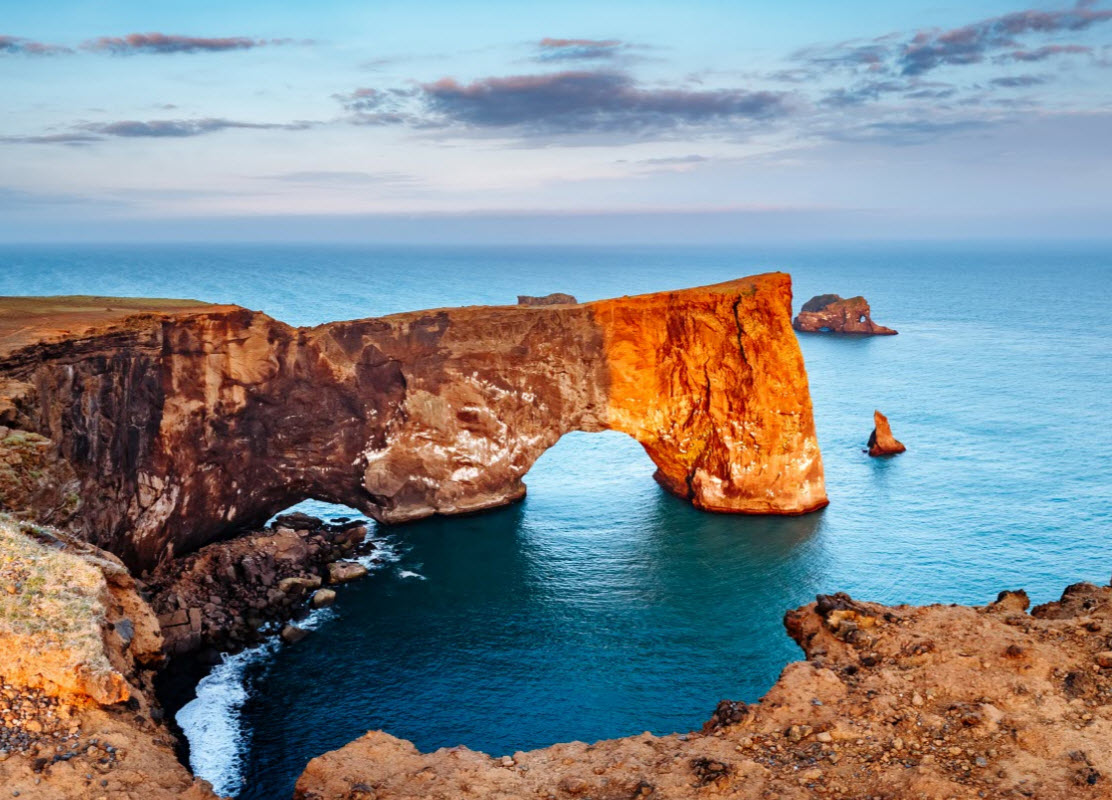
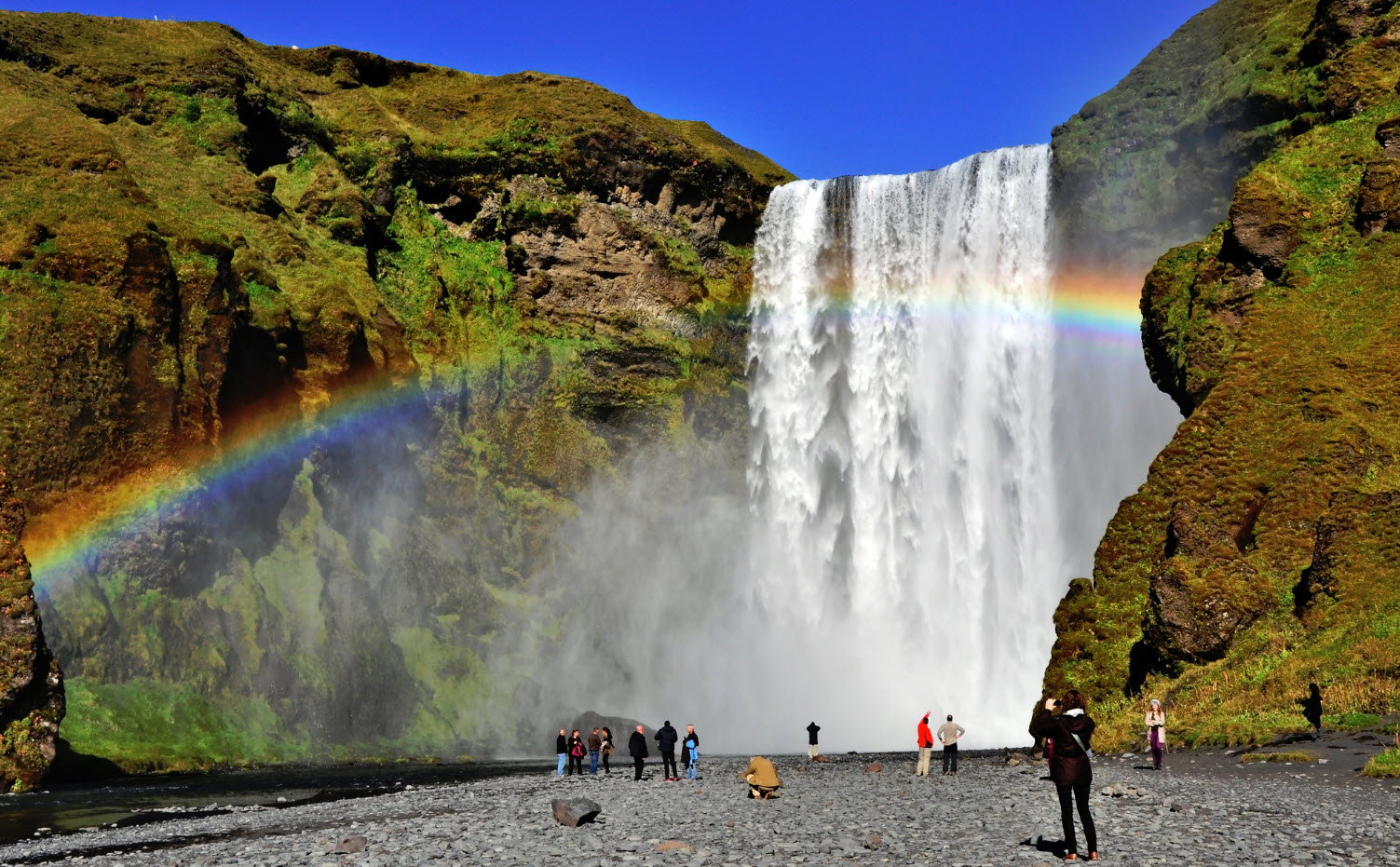
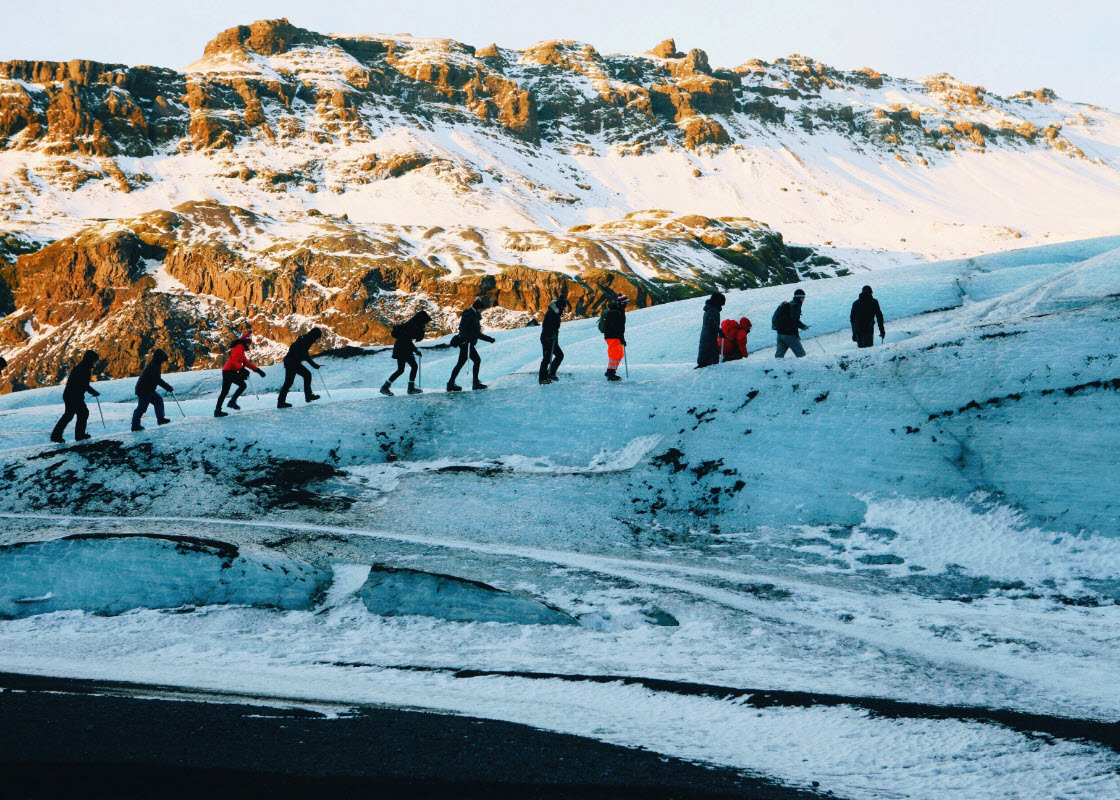
| Nearby places | Reynisfjara, Dyrholaey, Vik, Skogafoss and Solheimajokull |
| Typical visit time | 20 to 60 minutes at Reynisfjara; longer if combining Vik, Dyrholaey or guided activities |
| Best season | Year round, but winter wind, surf and daylight need extra caution |
| Good to know | Never turn your back on the ocean at Reynisfjara. Sneaker waves are a real hazard even in calm-looking weather. |
| Coordinates | 63.4028,-19.0356 |
Reynisdrangar, sea stacks and the black-sand coast
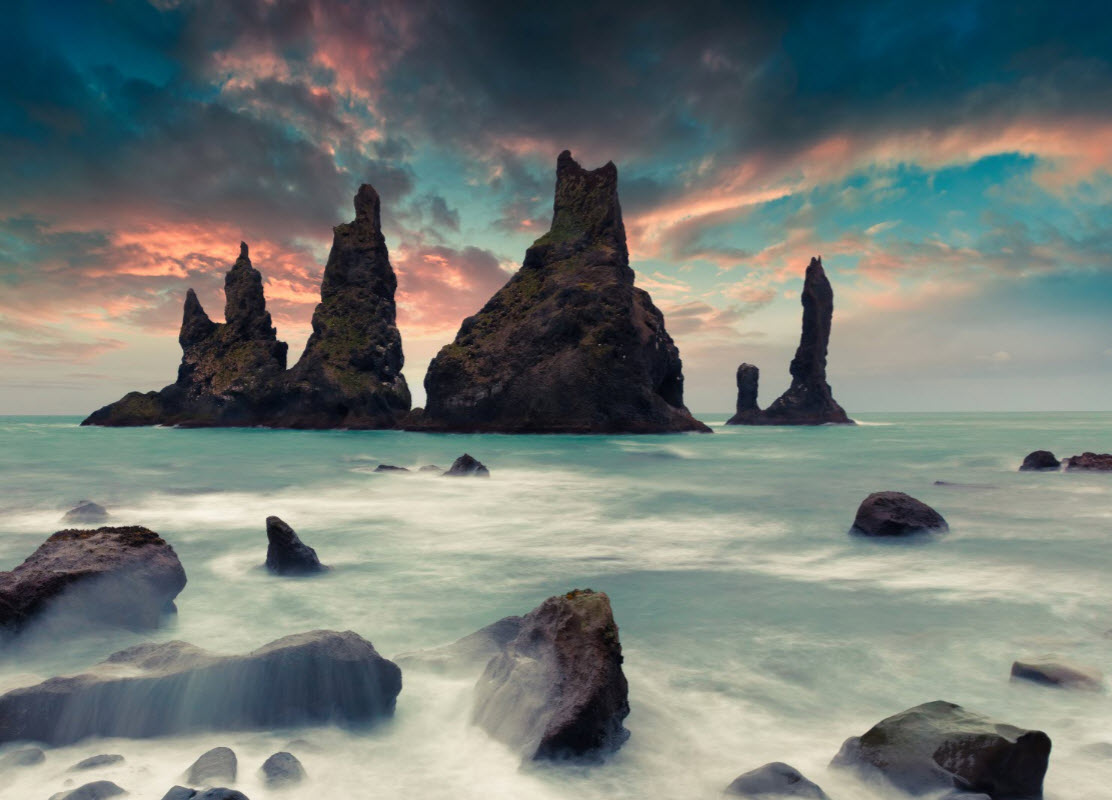
Reynisdrangar are the dark basalt sea stacks rising just offshore from Reynisfjara near Vik. They are one of the most recognisable silhouettes on the South Coast and are often seen together with the black sand beach, basalt columns and the cliffs below Reynisfjall.
The stacks are also tied to Icelandic folklore. The familiar story says trolls were caught by daylight while trying to drag ships ashore, turning into stone in the surf. Whether visitors come for the legend or the geology, the location is powerful because the landscape feels active: waves, wind, black sand and sea stacks all change the mood quickly.
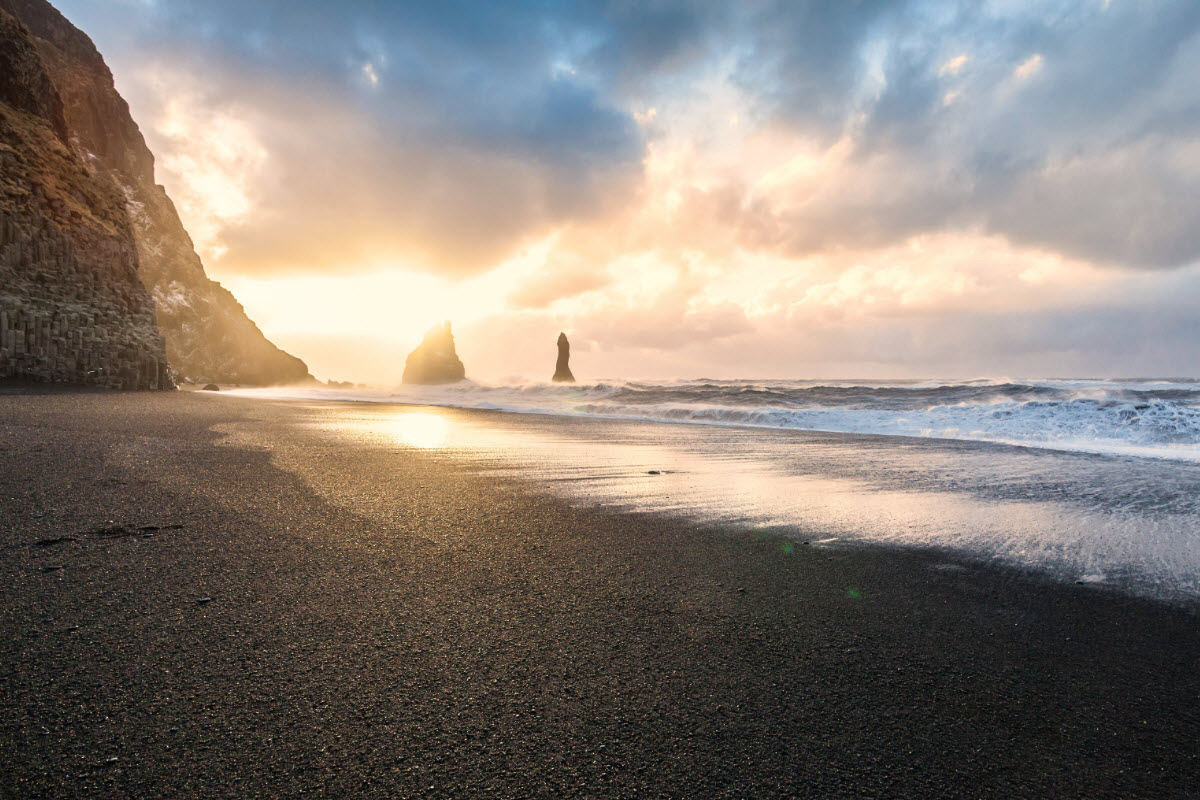
Reynisdrangar is best viewed from Reynisfjara, where the sea stacks, basalt cliffs and surf sit in one dramatic scene.
Why Reynisdrangar belongs on a South Coast route
For most travellers, Reynisdrangar works best as part of a connected South Coast plan rather than as an isolated destination. The natural route links Seljalandsfoss, Skogafoss, Solheimajokull, Dyrholaey, Vik and Reynisfjara in one day.
If you are staying in Vik, add time for local activities such as black-sand horse riding, ATV tours or Katla ice cave tours. If you are coming from Reykjavik, a guided South Coast tour is often the easiest way to cover the long drive and weather changes.
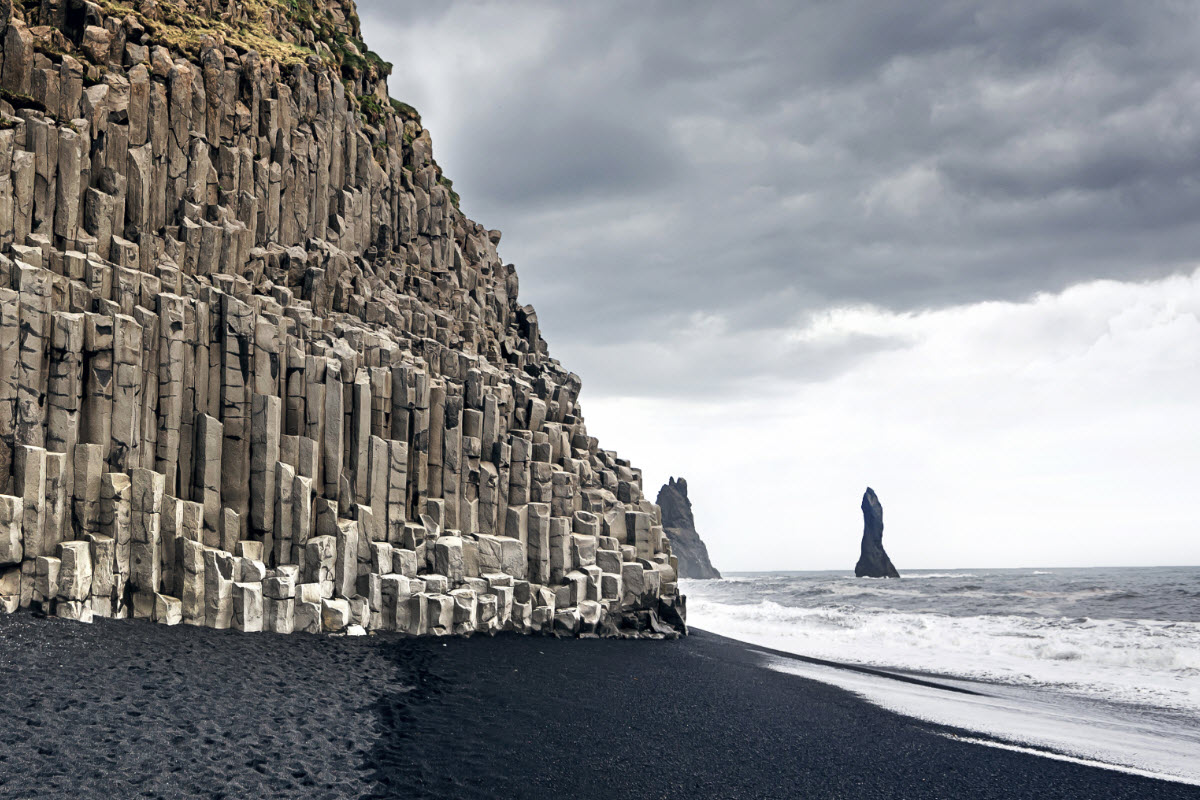
The basalt cliffs near the beach help make Reynisdrangar more than a quick photo stop.
How to visit Reynisdrangar safely
Use the marked parking and viewpoints at Reynisfjara or view the stacks from Vik and Dyrholaey when beach conditions are poor. Do not climb on wet rocks, walk close to the surf line or enter closed areas.
The key practical point is ocean safety. Sneaker waves can run much farther up the beach than expected, so keep a wide distance from the water and watch children closely. In winter, allow extra time for wind, icy paths and short daylight.
Best Reynisdrangar and South Coast tours
Reynisdrangar is easiest to book as part of a South Coast day from Reykjavik, or as a local Vik-area activity if you are already staying nearby.
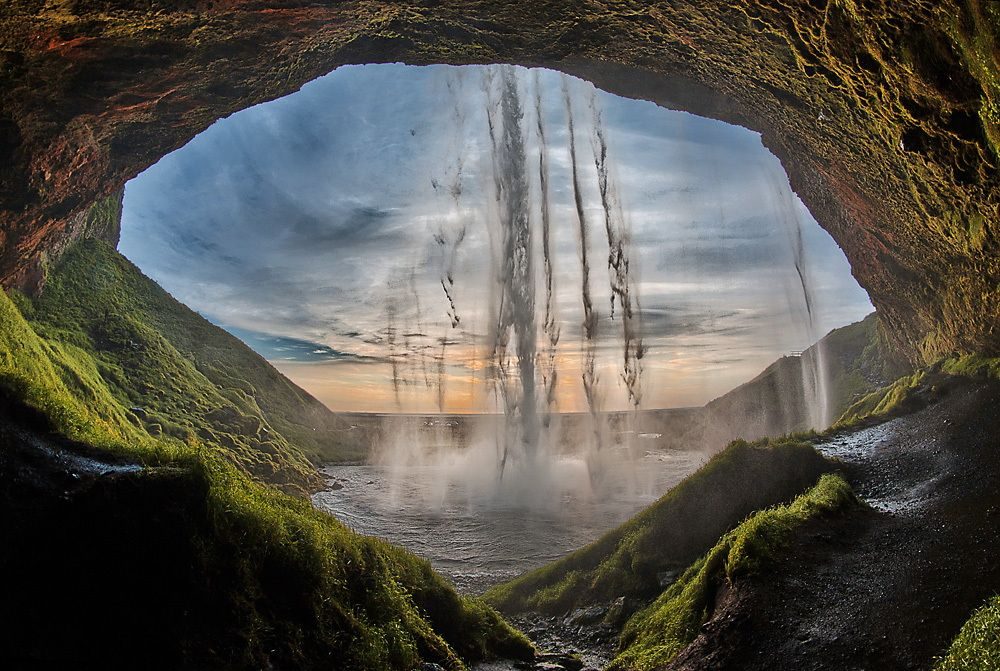
The classic Reykjavik route for Reynisdrangar, Reynisfjara, Vik, waterfalls and glacier scenery.
A smaller-group format for the main South Coast sights with less self-drive pressure.
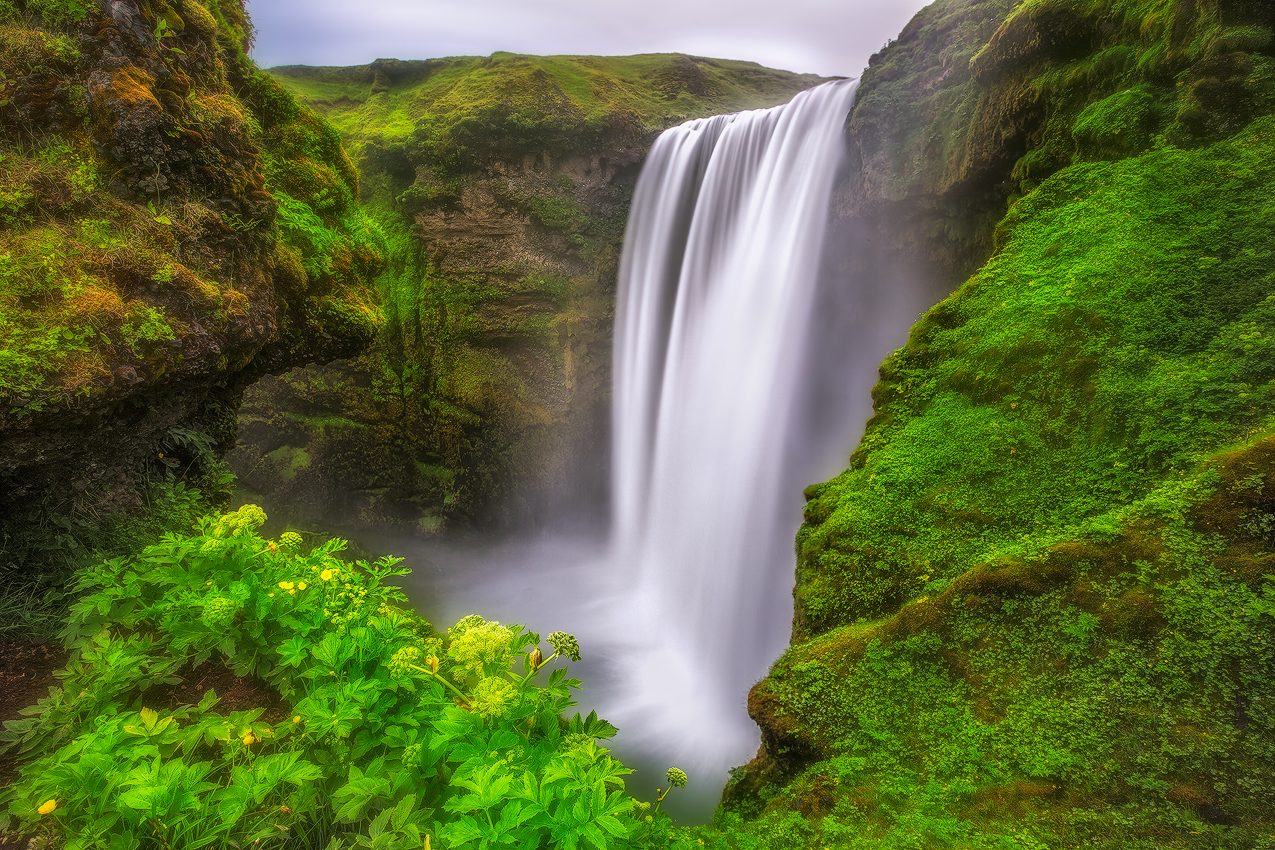
A strong fit when the sea stacks should be part of a wider black-sand and glacier day.
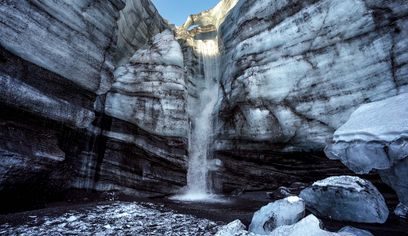
Best when you want flexible timing around Reynisfjara, Dyrholaey, Vik and photo stops.
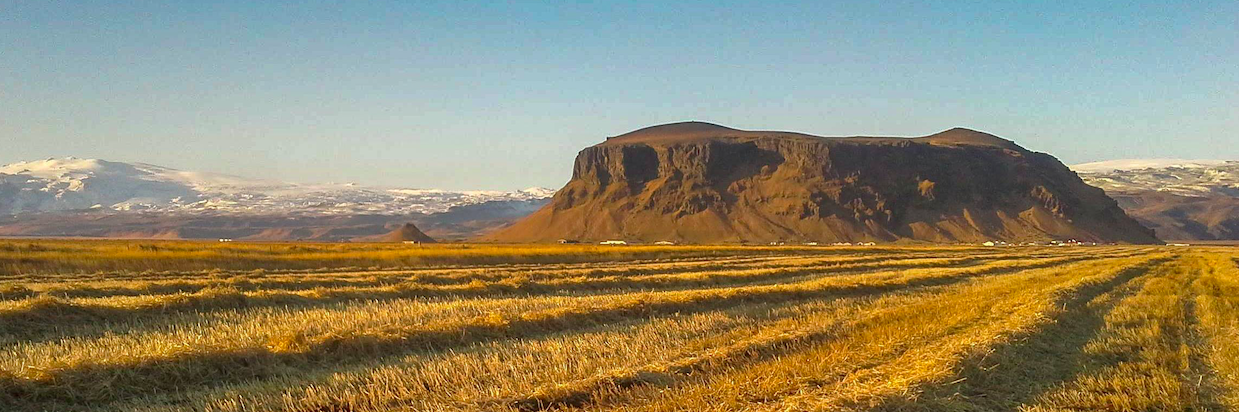
Adds a local riding experience to the South Coast route near black-sand scenery.
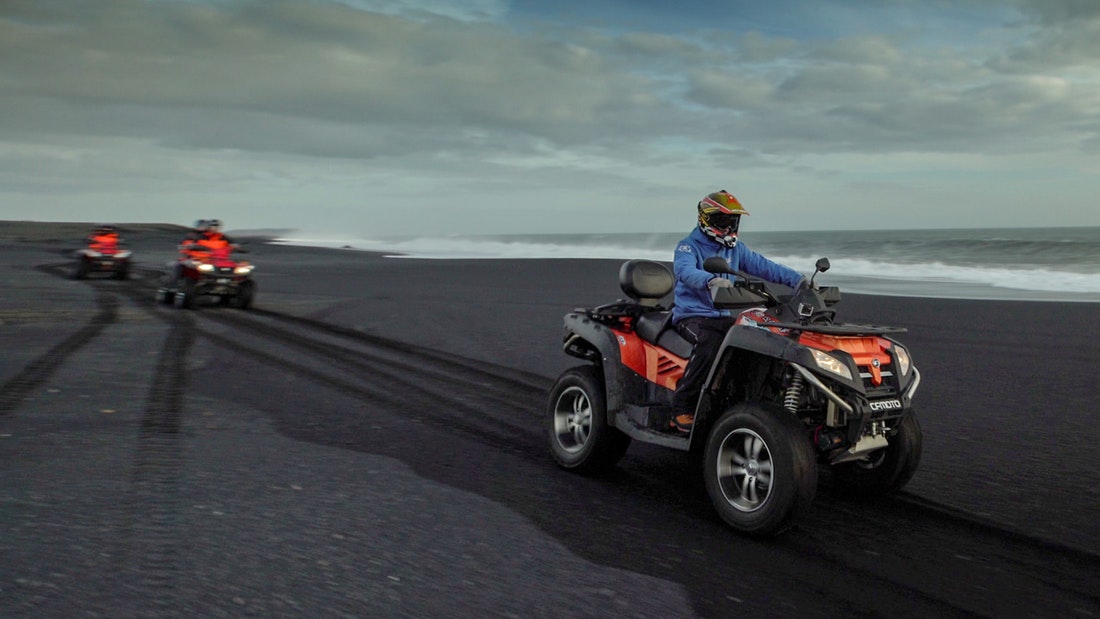
A short meet-on-location activity for travellers already staying around Vik.
Places near Reynisdrangar
Use Reynisdrangar as part of a connected South Coast day rather than a disconnected black-sand stop.
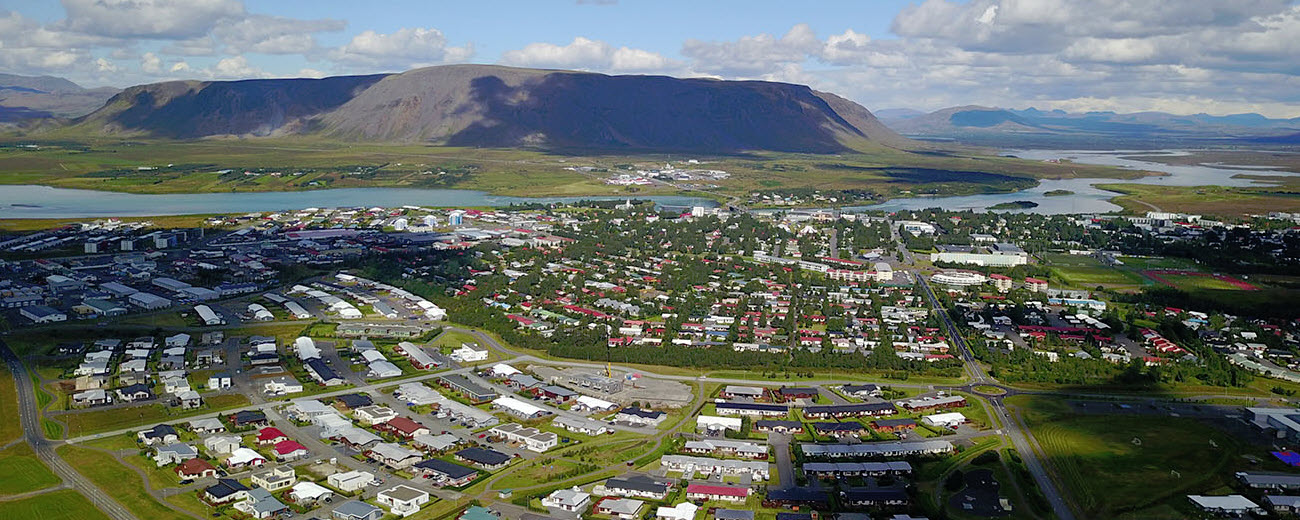
Towns and villages near Reynisdrangar
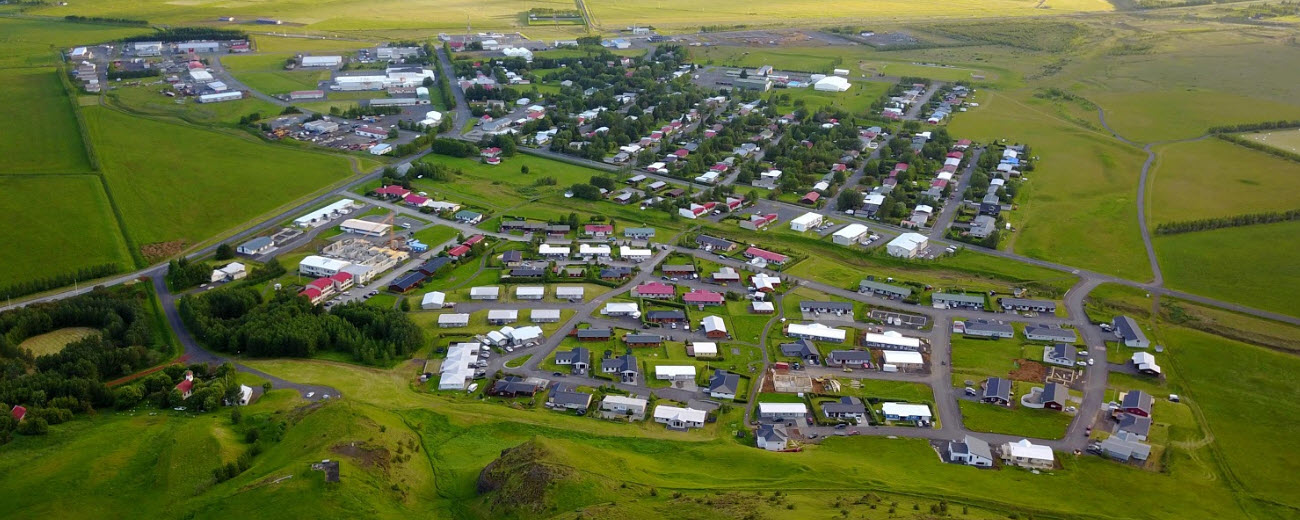
These are the most useful bases and service towns for planning Reynisdrangar and the black-sand coast.

Suggested itinerary ideas
Classic South Coast day
Start from Reykjavik, visit Seljalandsfoss and Skogafoss, continue to Reynisdrangar and Reynisfjara, then finish around Vik if daylight allows.
Vik activity day
Stay in Vik and build the day around Reynisdrangar, Dyrholaey and a local black beach ATV tour or black-sand horse riding tour.
Winter weather plan
Use a guided South Coast tour when wind, darkness or road conditions make self-driving less attractive. Keep Reynisfjara flexible if surf warnings are high.
FAQ about Reynisdrangar
Can you walk to Reynisdrangar?
No. Reynisdrangar are offshore sea stacks. You can view them from Reynisfjara, Vik and Dyrholaey, but you should not try to approach them through the surf.
Is Reynisdrangar the same as Reynisfjara?
No. Reynisfjara is the black sand beach, while Reynisdrangar are the basalt sea stacks just offshore from it.
Are Reynisdrangar dangerous to visit?
The sea stacks are not the danger; the beach surf is. Reynisfjara is known for sneaker waves, so keep far back from the water and follow local signs.
What is the best tour for Reynisdrangar?
Most visitors should start with a South Coast tour. If you are already in Vik, local black-sand ATV, horse-riding or Katla tours can add more activity to the stop.
Can you see puffins near Reynisdrangar?
In summer, puffins may be seen around nearby cliffs such as Dyrholaey and Reynisfjall, but sightings depend on season, access restrictions and nesting protection.
How much time do you need at Reynisdrangar?
Most travellers spend 20 to 60 minutes at Reynisfjara. Add more time if you want Dyrholaey, Vik, a meal stop or a guided activity nearby.
Can you visit Reynisdrangar in winter?
Yes, but winter visits need extra caution. Wind, icy paths, short daylight and larger waves can change the plan quickly.
What should I combine with Reynisdrangar?
Combine it with Dyrholaey, Vik, Skogafoss, Seljalandsfoss and Solheimajokull for the strongest South Coast route.
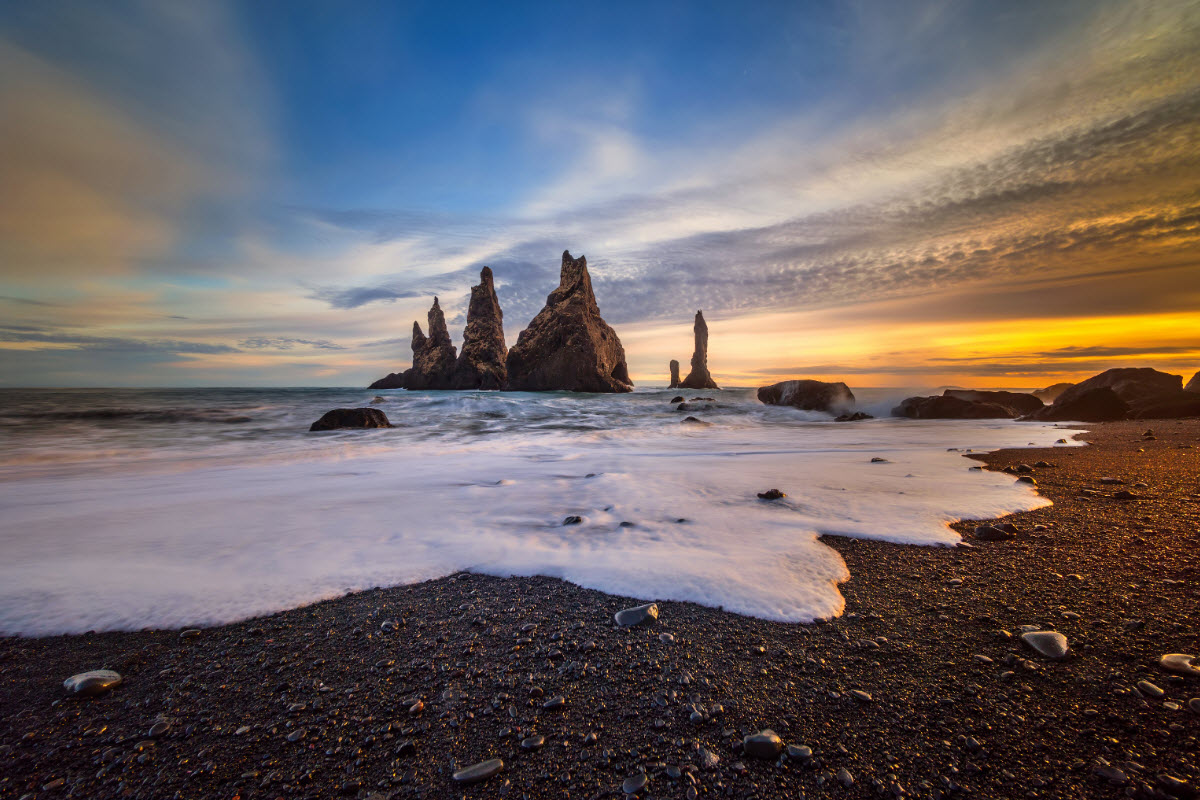
Sunset at Reynisfjara black sand beach in South Iceland
Reynisdrangar in Reynisfjara black sand beach in South Iceland
The beautiful basalt formation at Reynisfjara black sand beach in Iceland
Reynisdrangar at Reynisfjara in South Iceland