The Odyssey Filming Locations in Iceland
About the Author


The Odyssey Filming Locations in Iceland: Nolan's Epic, the Cast and How to Visit the Landscapes
Christopher Nolan's The Odyssey arrives in U.S. theaters on July 17, 2026, and Iceland is one of the most exciting real-world landscapes behind the film. Reported Iceland filming locations include Hjorleifshofdi on the South Coast, the Snaefellsnes Peninsula, Markarfljot and Landeyjahofn, with wider talk around highland and glacier-like terrain that fits the film's underworld mood.
This guide is built for travelers who see Nolan's mythic world and want to turn it into an Iceland itinerary. We cover what is known about the movie, the main cast, why Iceland works so well for The Odyssey, the Icelandic places linked with the production, and Fun Iceland tours that can get you close to the same volcanic coast, black sand, glacier, highland and Snaefellsnes scenery.
Short answer: where was The Odyssey filmed in Iceland?
Public reports point to Hjorleifshofdi mountain and its black-sand cave area, the Snaefellsnes Peninsula, the Markarfljot river area and Landeyjahofn harbour. Vogue specifically connects Iceland with the underworld sequence in Book 11, where Odysseus seeks the prophet Tiresias.
Jump to
- Quick facts
- About the movie
- Cast in Iceland
- Watch the trailer
- The Odyssey cast and characters
- Iceland filming locations
- Hjorleifshofdi and the South Coast
- Reynisfjara black sand beach
- Snaefellsnes Peninsula
- Markarfljot, Landeyjahofn and Thorsmork
- Glaciers, Katla and highland atmosphere
- Best tours for Odyssey fans
- FAQ
Quick facts: The Odyssey, Nolan and Iceland
- Film: The Odyssey, directed by Christopher Nolan and based on Homer's ancient Greek epic poem.
- U.S. release: July 17, 2026.
- Scale: Reported as a 91-day, large-format IMAX production with filming across multiple countries.
- Iceland's role: Remote, otherworldly landscapes connected in reports with the underworld section of the story.
- Reported Iceland places: Hjorleifshofdi, Snaefellsnes, Markarfljot and Landeyjahofn; Stuck in Iceland also mentions highlands and glacier areas as part of the wider filming conversation.
- Best travel bases: Reykjavik for South Coast and Snaefellsnes day trips; Vik for Hjorleifshofdi and Katla Ice Cave; Hvolsvollur or South Coast countryside for Thorsmork and Markarfljot.
- Best tour themes: South Coast, black sand beach, Katla Ice Cave, Thorsmork, Snaefellsnes and Kirkjufell.
More Iceland filming locations to explore
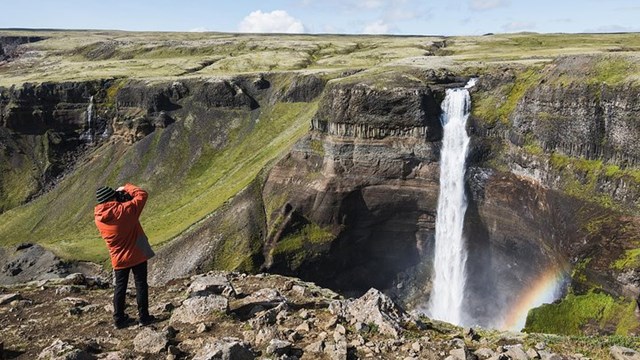
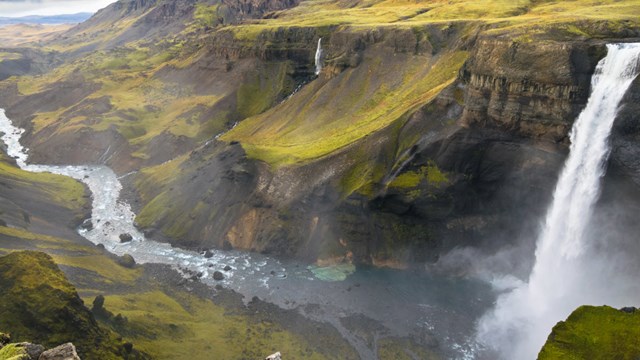
If The Odyssey brought you here, these two Fun Iceland guides go deeper into famous screen locations across Iceland.
What is Christopher Nolan's The Odyssey about?
The Odyssey is one of the foundation stories of Western literature. It follows Odysseus after the Trojan War as he struggles to return home to Ithaca, while his wife Penelope and son Telemachus face pressure from suitors who believe he is gone. The story moves between sea journeys, monsters, gods, temptation, grief, memory, endurance and the long idea of home.
That makes it a natural fit for Nolan. His films often turn time, survival, loyalty and obsession into large cinematic structures. In The Odyssey, the emotional map is ancient, but the feeling is very Nolan: a person trying to navigate a broken world, a family waiting across impossible distance, and landscapes that feel like mental states as much as places.
Several reports describe the production as unusually physical and location-driven. Vogue notes that the movie was filmed almost entirely on location, and that the cast includes Matt Damon as Odysseus, Anne Hathaway as Penelope, Tom Holland as Telemachus and Robert Pattinson as Antinous. The Iceland section matters because the country's volcanic emptiness can look like the edge of the known world without needing heavy explanation.
Did The Odyssey cast film in Iceland?
Public interviews and Icelandic media coverage around the production make the Iceland shoot feel less like a distant rumour and more like a real, physical production experience. Zendaya, who plays Athena, has spoken about her first day filming in Iceland being so cold that her mouth would not move properly while trying to deliver lines. The story was reported by Variety and picked up by other film outlets.
Icelandic media also followed the cast while the production was in the country. MBL reported on June 24, 2025, that Zendaya had been seen walking around downtown Reykjavik earlier that day, and noted that Matt Damon was also in Iceland in connection with filming. That gives the Iceland section a useful human detail: the story was not only about remote landscapes, but also about major cast members being based in or around Reykjavik during the shoot.
That does not prove every cast member was present for every Iceland setup, and exact scene-by-scene location details are still limited. But it does support what makes the Iceland part of the story so interesting for travelers: Nolan's production was not only using Iceland as a name on a location list. At least part of the cast experienced the cold, wind, city base and practical landscape conditions that give these scenes their physical edge.
Watch The Odyssey official trailer
The official movie site lists this as the The Odyssey official trailer. It is a useful starting point before diving into the Iceland locations, because the whole appeal of the story is scale: sea, storm, darkness, distance and a journey that feels larger than normal geography.
The Odyssey cast: actors, roles and SEO-friendly guide
The cast is one of the biggest reasons travelers are searching for The Odyssey before and after release. Here are the key actors to cover, with the roles currently reported by public entertainment and film sources.
| Actor | Reported role | Why it matters |
|---|---|---|
| Matt Damon | Odysseus | The returning king, soldier, wanderer and emotional centre of the story. |
| Anne Hathaway | Penelope | Odysseus's wife, holding Ithaca together while the suitors circle. |
| Tom Holland | Telemachus | Odysseus and Penelope's son, whose coming-of-age story runs beside the homecoming plot. |
| Zendaya | Athena | The guiding goddess associated with wisdom, strategy and protection. |
| Robert Pattinson | Antinous | One of the suitors, giving the Ithaca storyline a sharper threat. |
| Charlize Theron | Calypso | The nymph whose island tests Odysseus with comfort, longing and delay. |
| Lupita Nyong'o | Helen of Troy / Clytemnestra | A dual role that connects the aftermath of Troy with the cost of war. |
| Samantha Morton | Circe | The sorceress whose island is one of the epic's most memorable trials. |
| Jon Bernthal | Menelaus | A king tied to the Trojan War aftermath and Telemachus's search. |
| John Leguizamo | Eumaeus | The loyal swineherd, important to the return-to-Ithaca section. |
This is also why The Odyssey is likely to travel well online as a movie-location story. Viewers are not only searching for the Iceland landscapes; they are also searching for the cast, the characters and the places that help make Nolan's version feel physical rather than purely studio-made.

Director
Photo: Raph_PH, CC BY 2.0

Odysseus
Photo: PhilipRomanoPhoto, CC BY-SA 4.0

Telemachus
Photo: ChristopherJClarke, CC BY-SA 4.0

Athena
Photo: Toglenn, CC BY-SA 4.0

Penelope
Photo: Korean Culture Ministry, CC BY-SA 4.0

Antinous
Photo: Elena Ternovaja, CC BY-SA 3.0

Calypso
Photo: Fuzheado, CC BY-SA 4.0

Helen / Clytemnestra
Photo: Gage Skidmore, CC BY-SA 3.0
Why Iceland works for The Odyssey
Iceland is not Greece, Morocco or Sicily, and that is exactly why it works for the stranger parts of The Odyssey. The poem moves beyond ordinary geography into places that feel symbolic: the edge of death, islands of temptation, caves, strange shores and landscapes where the natural world seems to speak in a mythic language.
Nolan's Iceland choices make sense in that context. Black sand, volcanic caves, empty river plains, glacier edges and stormy coastal light can suggest the underworld without needing obvious fantasy design. The landscape looks real and impossible at the same time, which is one of Iceland's great advantages on screen.
Hjorleifshofdi, black sand caves and the South Coast
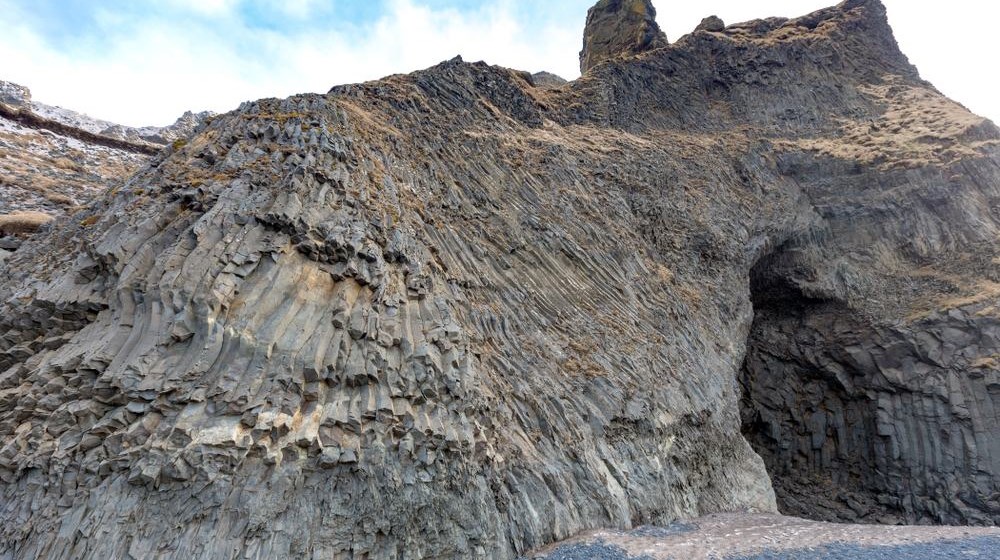
Hjorleifshofdi is the South Coast location that feels most directly suited to an underworld or edge-of-the-world scene. It is a steep, isolated headland near Myrdalssandur, close to Vik and the black sands of South Iceland. Around it are open volcanic flats, dark beaches, caves and views toward Myrdalsjokull and Katla country.
Travelers often know the area because of Yoda Cave, a naturally shaped opening in the rock face at Hjorleifshofdi. Whether or not a specific shot in The Odyssey uses that exact cave, the location's cinematic character is obvious: black sand, rough weather, a lone mountain shape, and a strong sense of crossing into somewhere older and stranger.
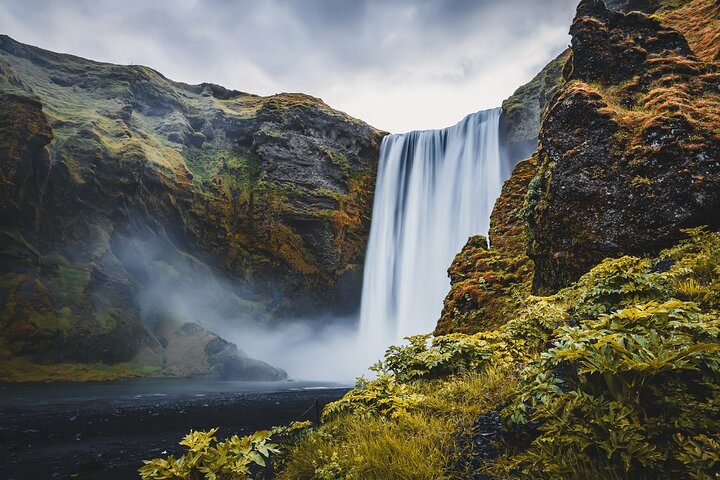
The easiest way to experience similar scenery is a South Coast tour from Reykjavik. Standard South Coast tours usually focus on Seljalandsfoss, Skogafoss, Reynisfjara and Vik rather than Hjorleifshofdi itself, but private tours can often be more flexible. For a film-location-style day, ask for a route that emphasizes black sand, Vik, Reynisfjara, Dyrholaey viewpoints and the Myrdalssandur/Hjorleifshofdi atmosphere where conditions allow.
Reynisfjara video: black sand, basalt and South Coast drama
Reynisfjara black sand beach is one of the easiest places to connect the visual language of The Odyssey with a real South Coast stop: dark volcanic sand, basalt columns, Atlantic surf, sea stacks and cave-like textures. It is not presented here as a confirmed film set; it is included because it gives travelers the same black-sand, mythic South Iceland atmosphere that makes the reported Iceland locations so compelling.
Places near Reynisfjara
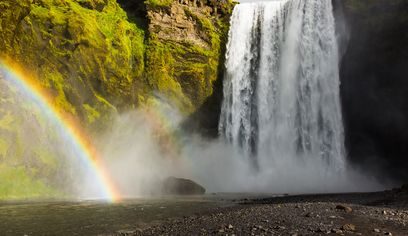
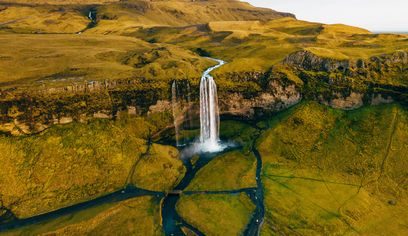
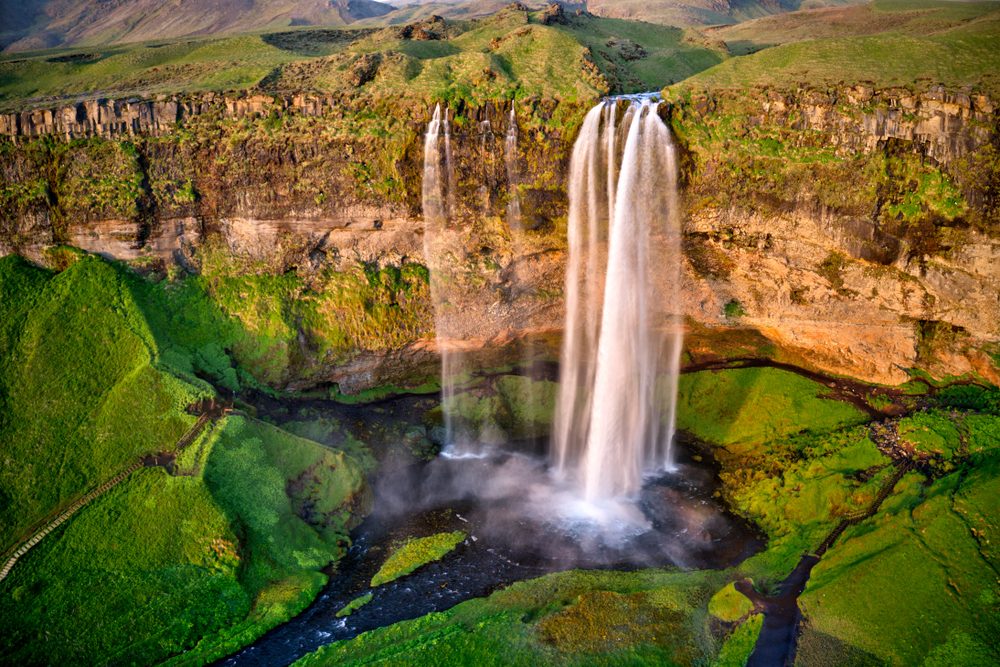
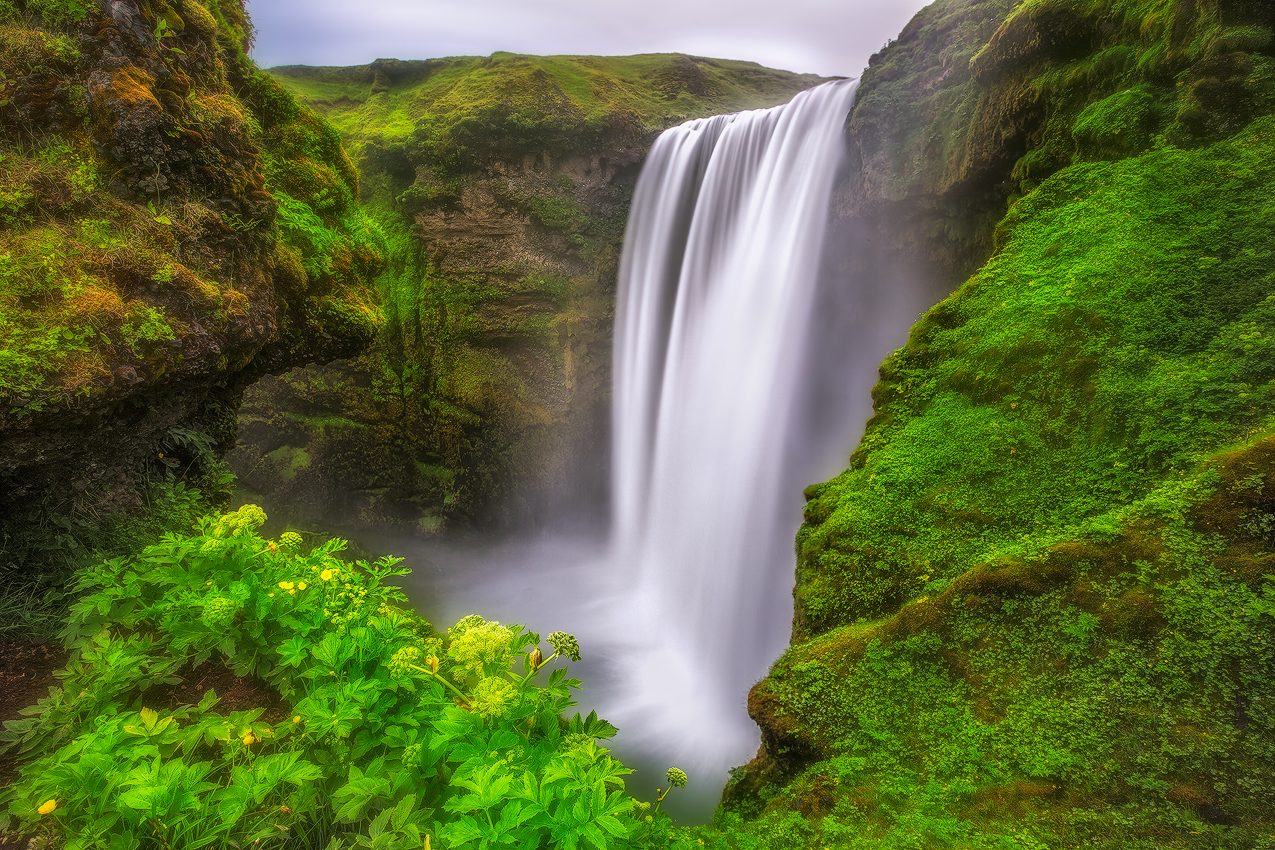
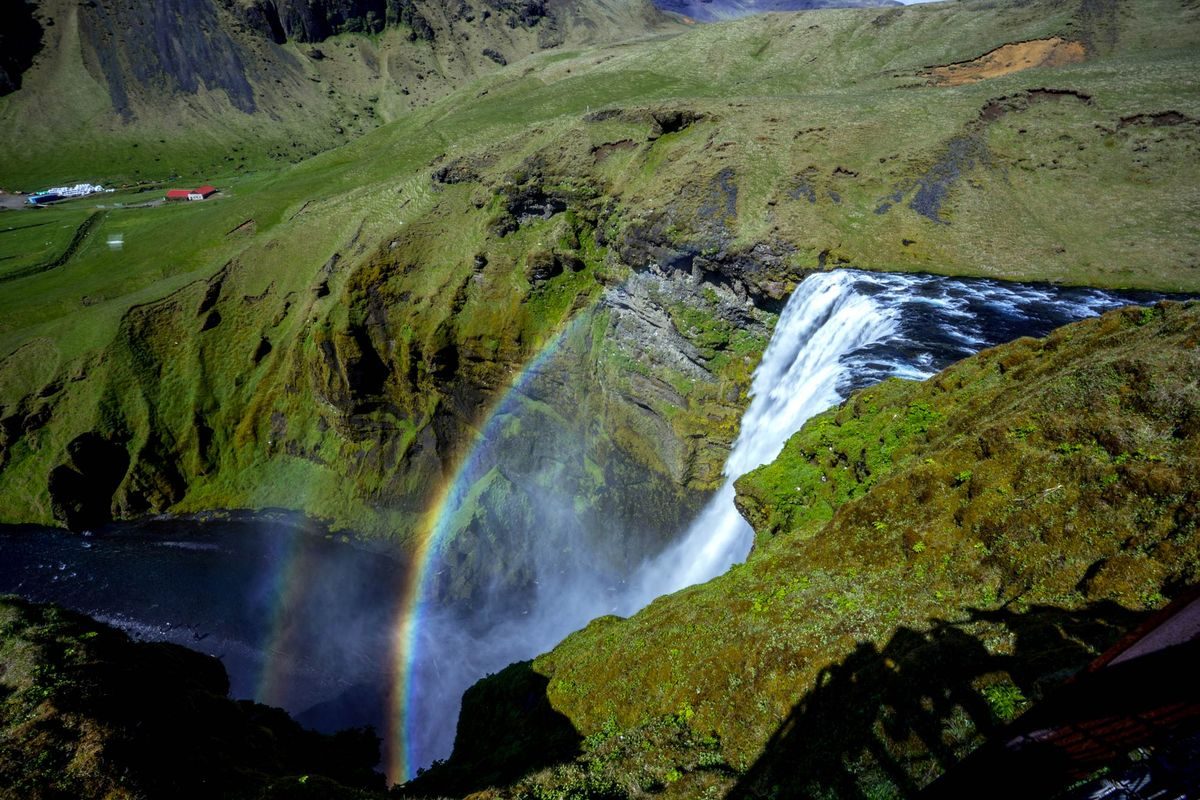
Use Reynisfjara as part of a connected South Coast route rather than a disconnected beach stop. The strongest nearby places are Dyrholaey for cliffs, sea views and birdlife, Skogafoss for a powerful waterfall stop, Seljalandsfoss for the classic walk-behind waterfall, Solheimajokull for glacier scenery, and Vik for services, food and a natural base on longer South Coast days.
Reynisfjara and black sand beach tours
The following tours travel the South Coast routes that include or naturally connect with Reynisfjara, Vik, black sand beach scenery, waterfalls and the volcanic coast. They are the best practical choices if the black-sand side of The Odyssey is what you want to experience in Iceland.
A guided Northern Lights tour in Iceland, chasing clear skies and the aurora borealis with local knowledge, warm layers and real w...
A private Northern Lights tour with flexible routing, quieter stops and more time to chase clear skies away from city lights.
A private Northern Lights tour with flexible routing, quieter stops and more time to chase clear skies away from city lights.
A private Northern Lights tour with flexible routing, quieter stops and more time to chase clear skies away from city lights.
Snaefellsnes Peninsula: Iceland in miniature
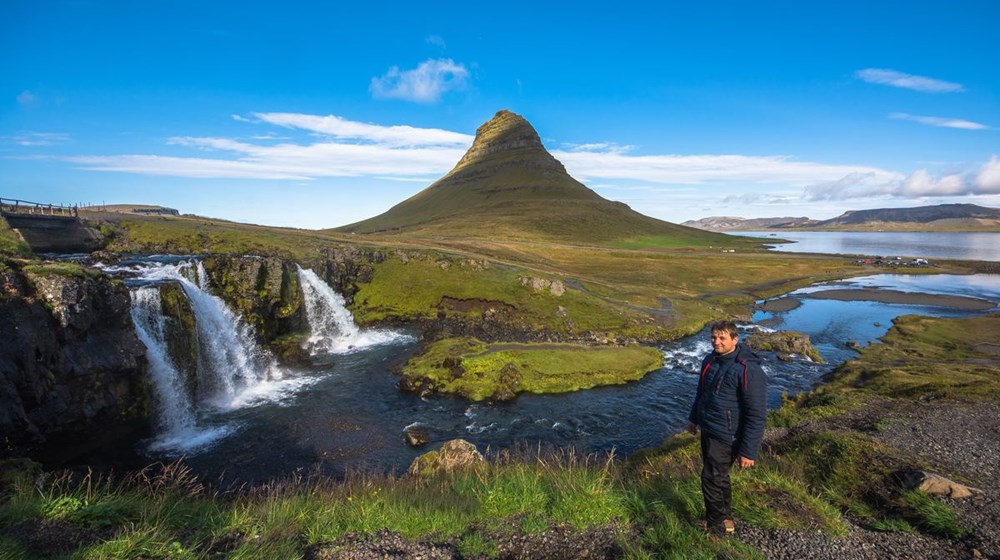
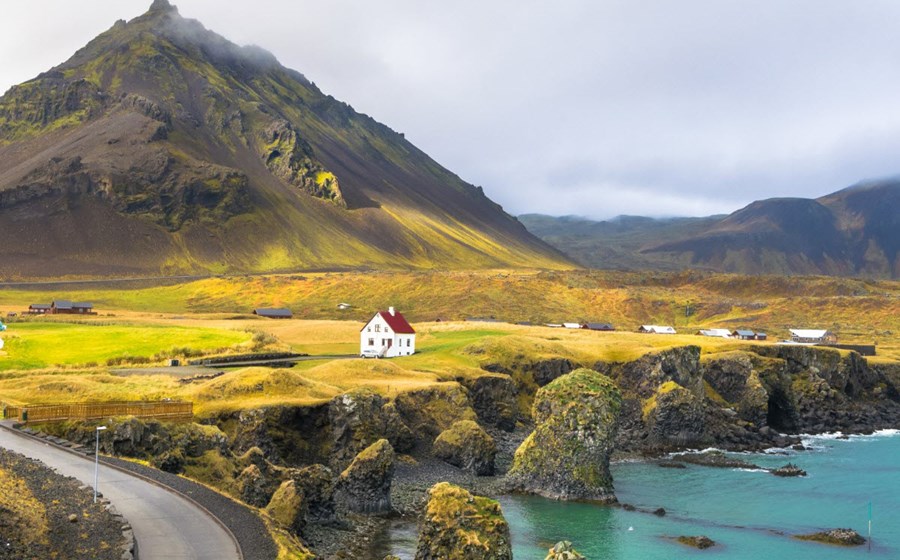
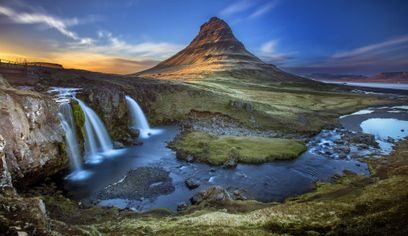
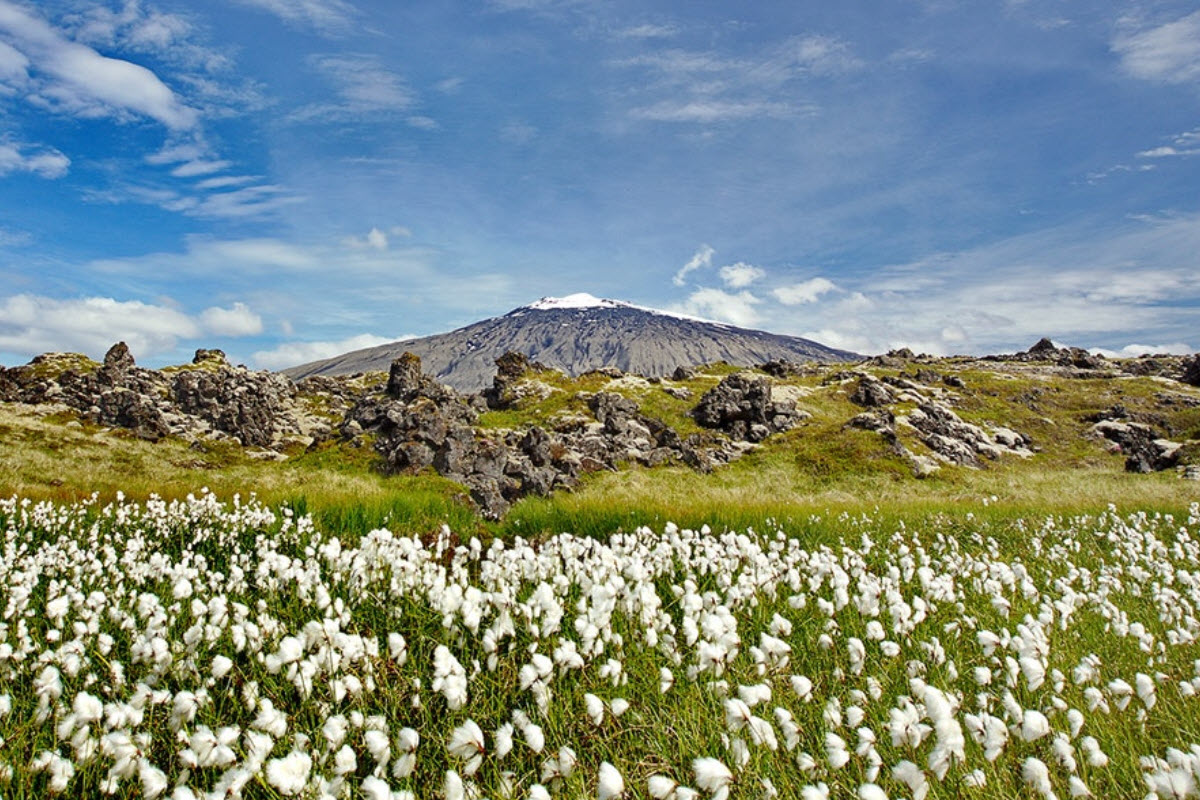
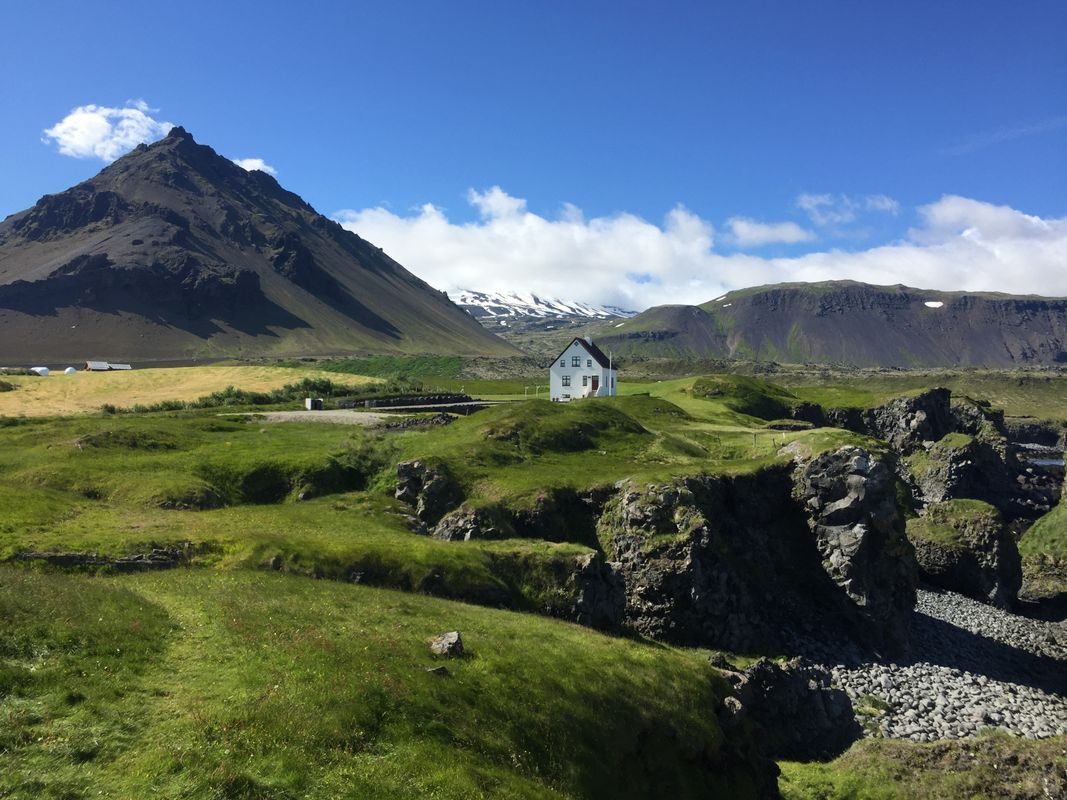
Vogue lists the Snaefellsnes Peninsula among the reported Iceland locations for The Odyssey. This is one of the most visually varied regions in the country: lava fields, fishing villages, sea cliffs, black churches, beaches, Snaefellsjokull glacier-volcano and Kirkjufell mountain all sit within one peninsula.
For an Odyssey-themed trip, Snaefellsnes gives you the island-voyage feeling. It has a sequence of coastal stages rather than one single stop: Arnarstapi cliffs, Londrangar sea stacks, Djupalonssandur beach, Budir, Snaefellsjokull and Kirkjufell. It feels like a route through different chapters, which makes it unusually good for travelers inspired by an epic journey.
The best tour choice depends on comfort and budget. A small-group Snaefellsnes tour gives the classic overview; a private Snaefellsnes tour is better if you want more time around Arnarstapi, Kirkjufell, the glacier and moody coastal photo stops.
Snaefellsnes tours for Odyssey fans
Choose these for west Iceland coast, lava, glacier-volcano scenery and Kirkjufell.
A Arctic Adventures tour focused on Iceland sightseeing with Icelandia, with reliable logistics, strong natural highlights and an ...
Guided sightseeing tour with strong scenery, local insight and easy logistics.

A Super Jeep tour to the Snæfellsnes peninsula in West Iceland, one of the most beautiful places in Iceland.
A EastWest tour focused on Iceland sightseeing with Icelandia, with reliable logistics, strong natural highlights and an easy way ...
A Superjeep tour focused on Iceland sightseeing with Icelandia, with reliable logistics, strong natural highlights and an easy way...
Markarfljot, Landeyjahofn and the road toward Thorsmork
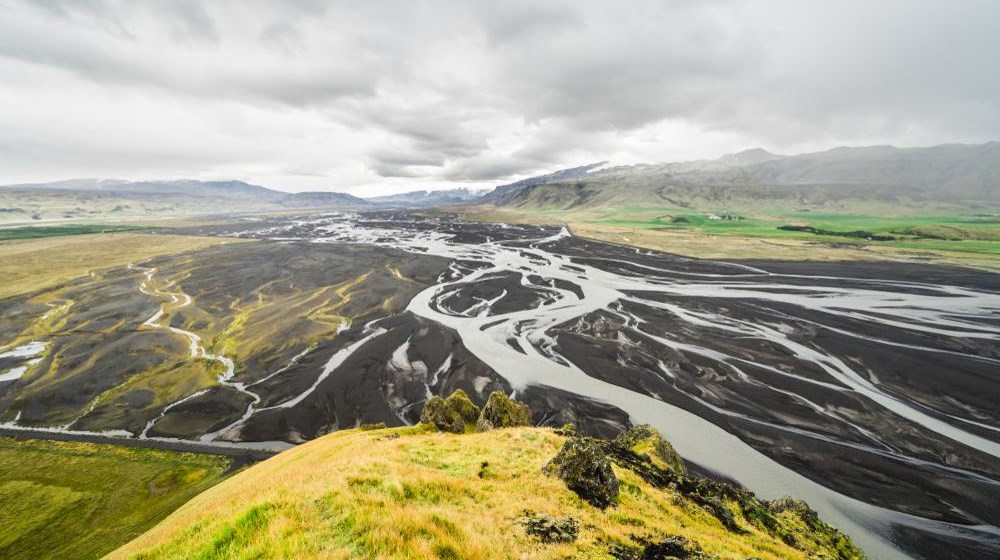
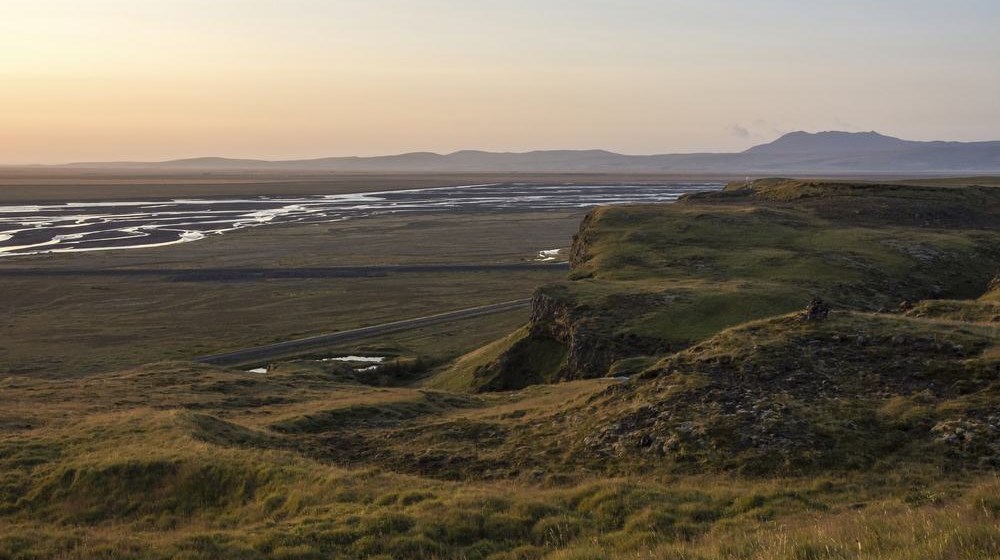
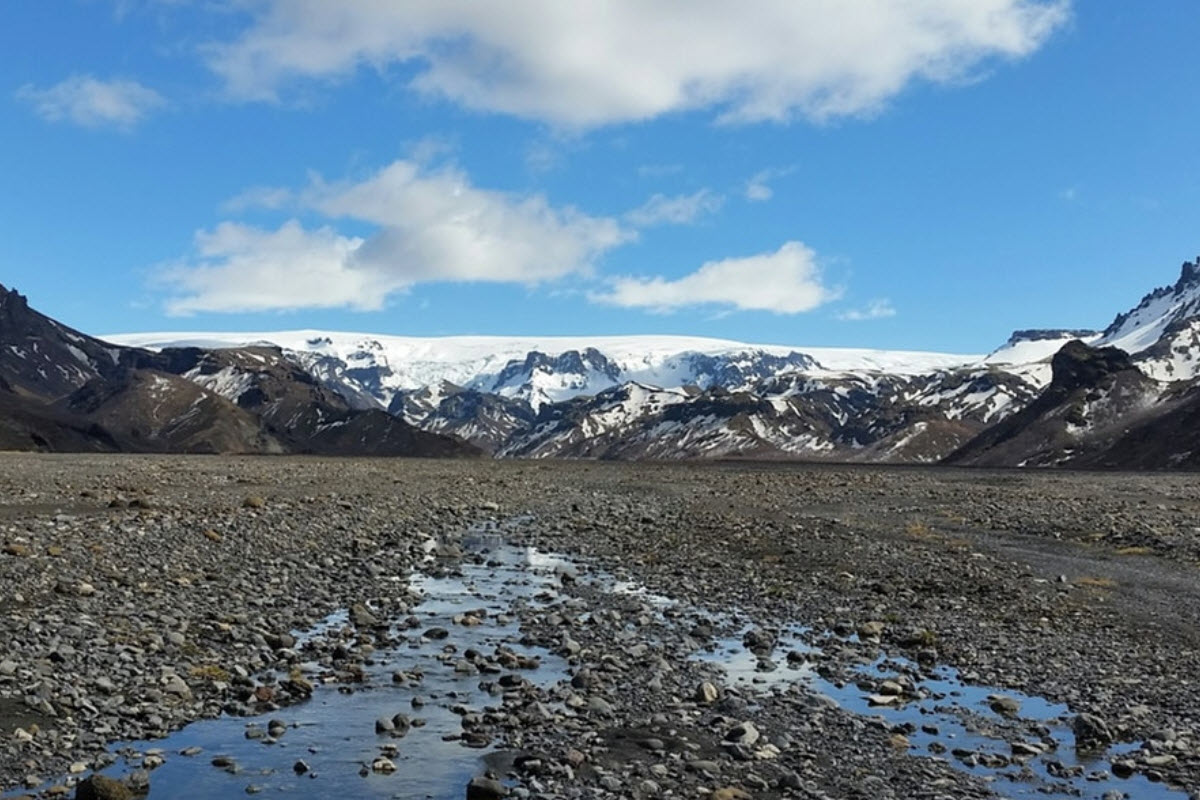
Markarfljot is a broad glacial river system in South Iceland, flowing between volcanic and glacier-fed landscapes near Eyjafjallajokull, Myrdalsjokull and the Thorsmork region. It is exactly the kind of place that feels vast on camera: river braids, dark gravel, distant ice, green highland slopes and weather that can change the whole mood in minutes.
Landeyjahofn is better known to travelers as the ferry harbour for the Westman Islands, but its setting also has the kind of open, wind-cut coastal feeling that suits a large practical film production. Stuck in Iceland reported that a full-scale ship was constructed near Landeyjahofn, which makes the harbour area especially interesting for fans following the production story.
If your goal is to feel the Markarfljot/Thorsmork side of the Icelandic Odyssey, choose a Thorsmork Super Jeep tour or another highland-style route. These tours are more rugged than classic South Coast sightseeing because they involve river valleys, mountain roads and glacier-fed terrain.
Thorsmork and Markarfljot-area tours
These fit the wilder, river-valley and highland side of the film-location theme.
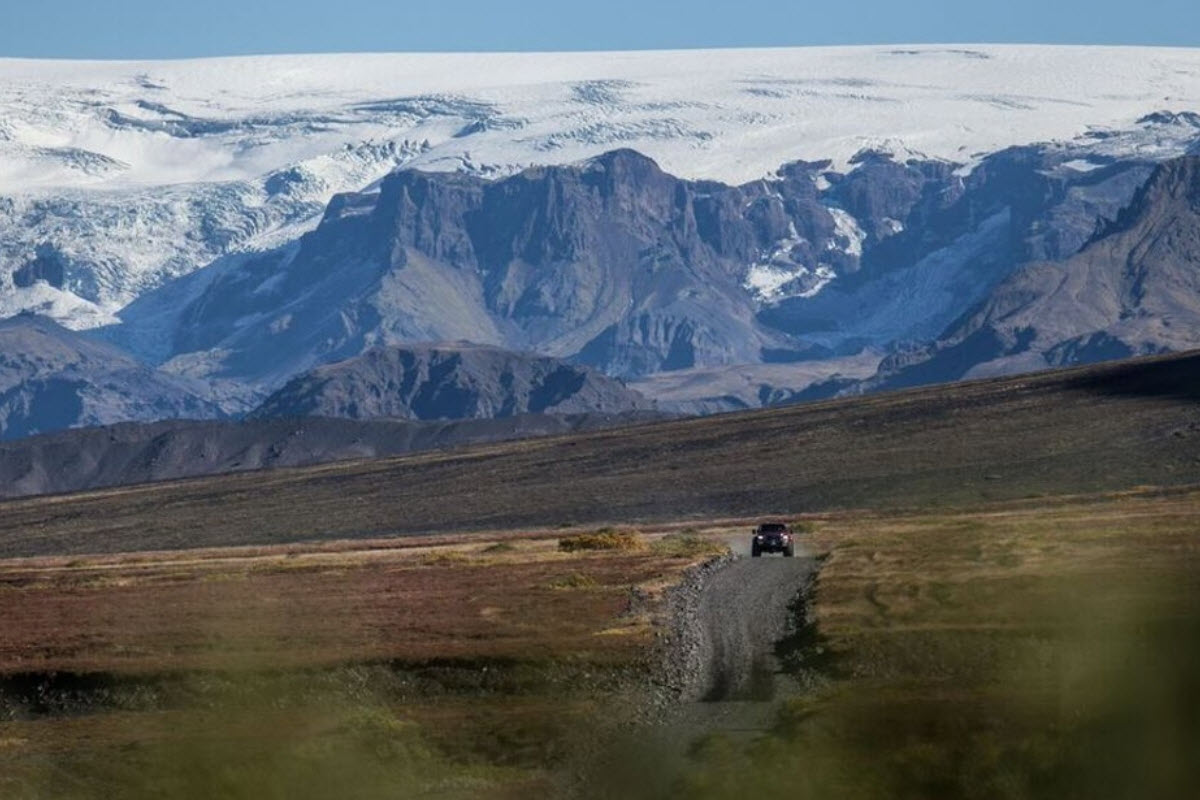
Super Jeep adventure beyond the normal road, with big landscapes, rough tracks and local guiding.
Explore the wonders of Eyja- fjallajokull from above and below as well as the amazing Þórsmörk valley on this super jeep tour.
A private Northern Lights tour with flexible routing, quieter stops and more time to chase clear skies away from city lights.
A private Northern Lights tour with flexible routing, quieter stops and more time to chase clear skies away from city lights.
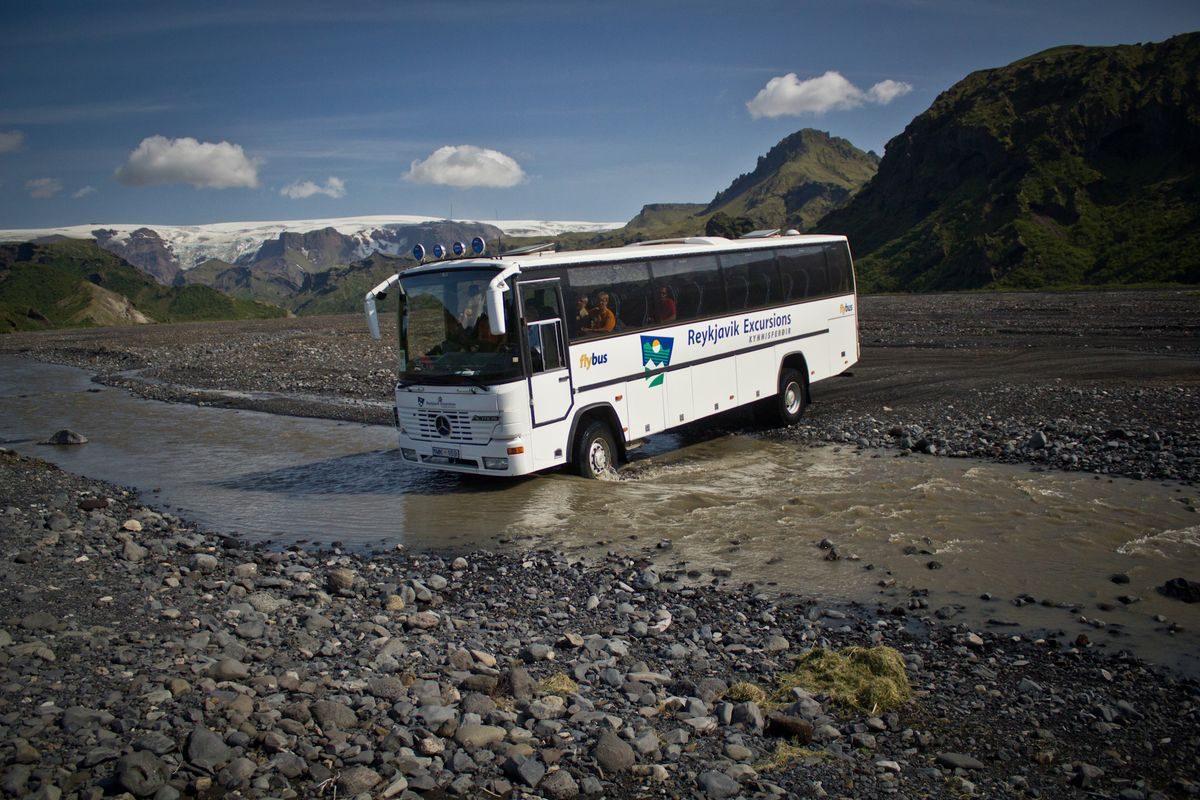
A Reykjavik Excursions by Icelandia tour focused on the Icelandic highlands, with rhyolite mountains, remote scenery and a practic...
Glaciers, Katla and underworld atmosphere
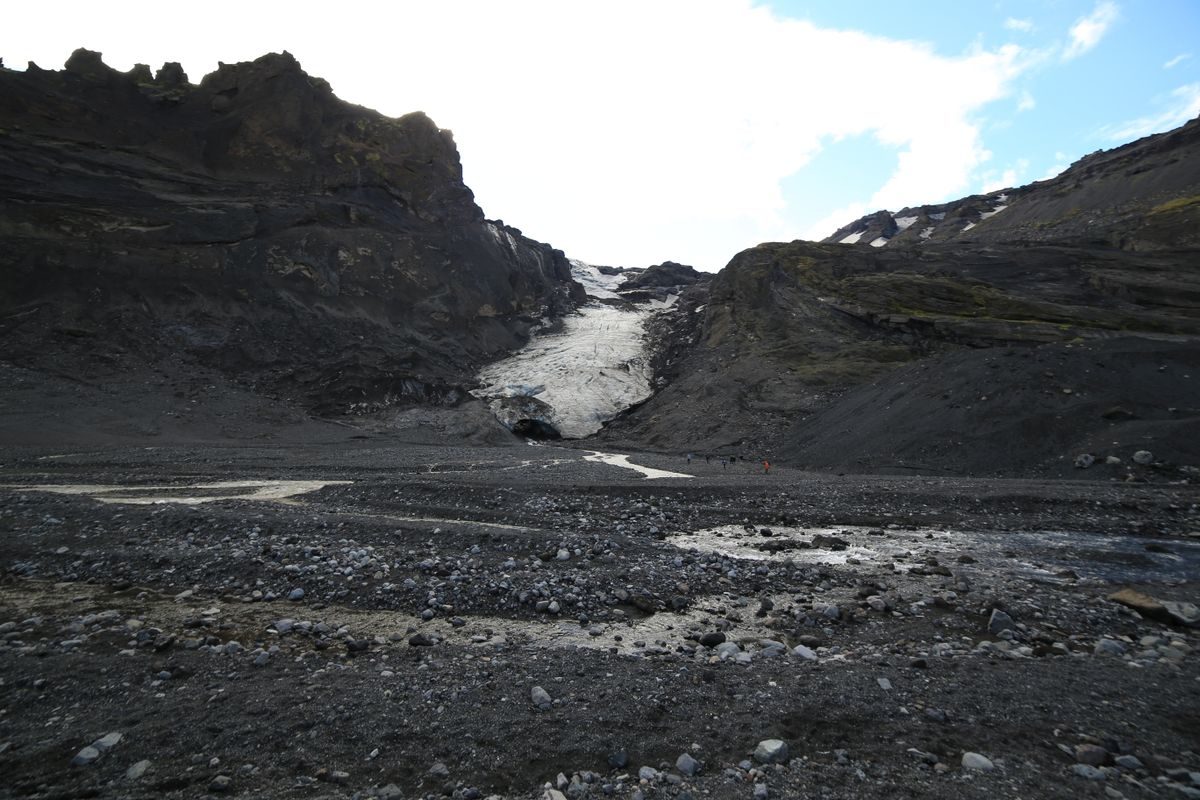
The Iceland reports are clearest around Hjorleifshofdi, Snaefellsnes, Markarfljot and Landeyjahofn, but the wider conversation also mentions glacier and highland areas. Even if every exact shot remains under wraps, this makes travel sense: Katla, Myrdalsjokull, Solheimajokull and South Coast glacier routes all provide the cold, dark, strange textures that many viewers will associate with Nolan's Iceland.
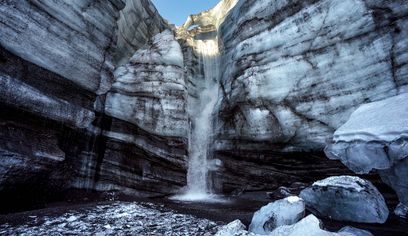
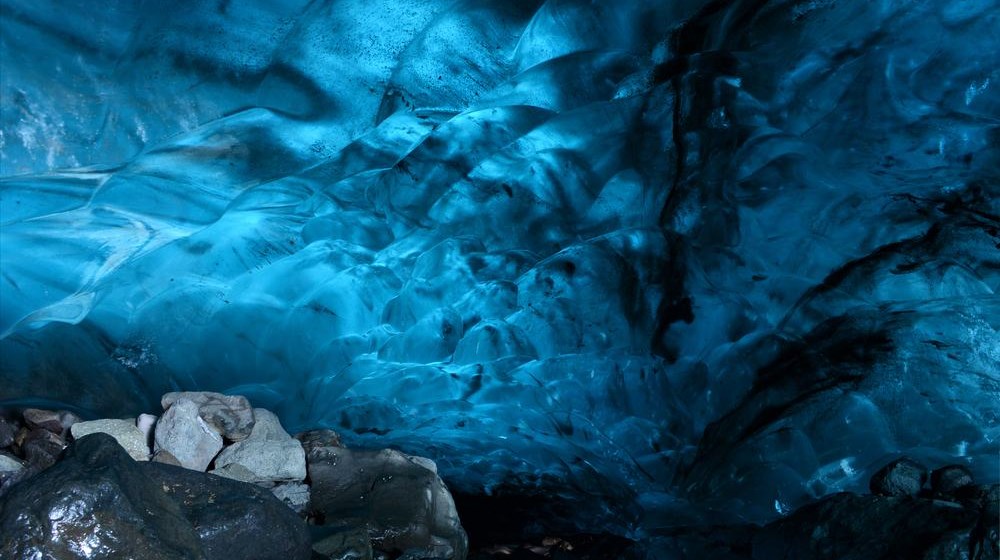
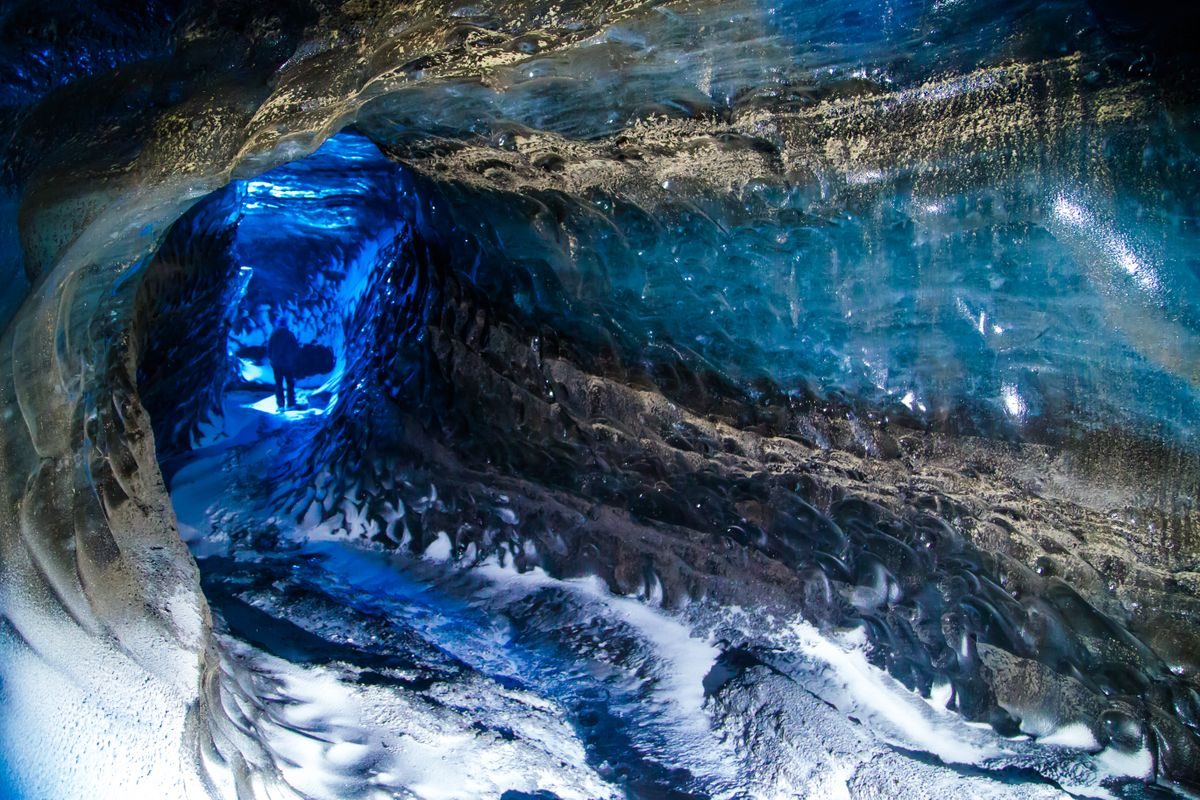
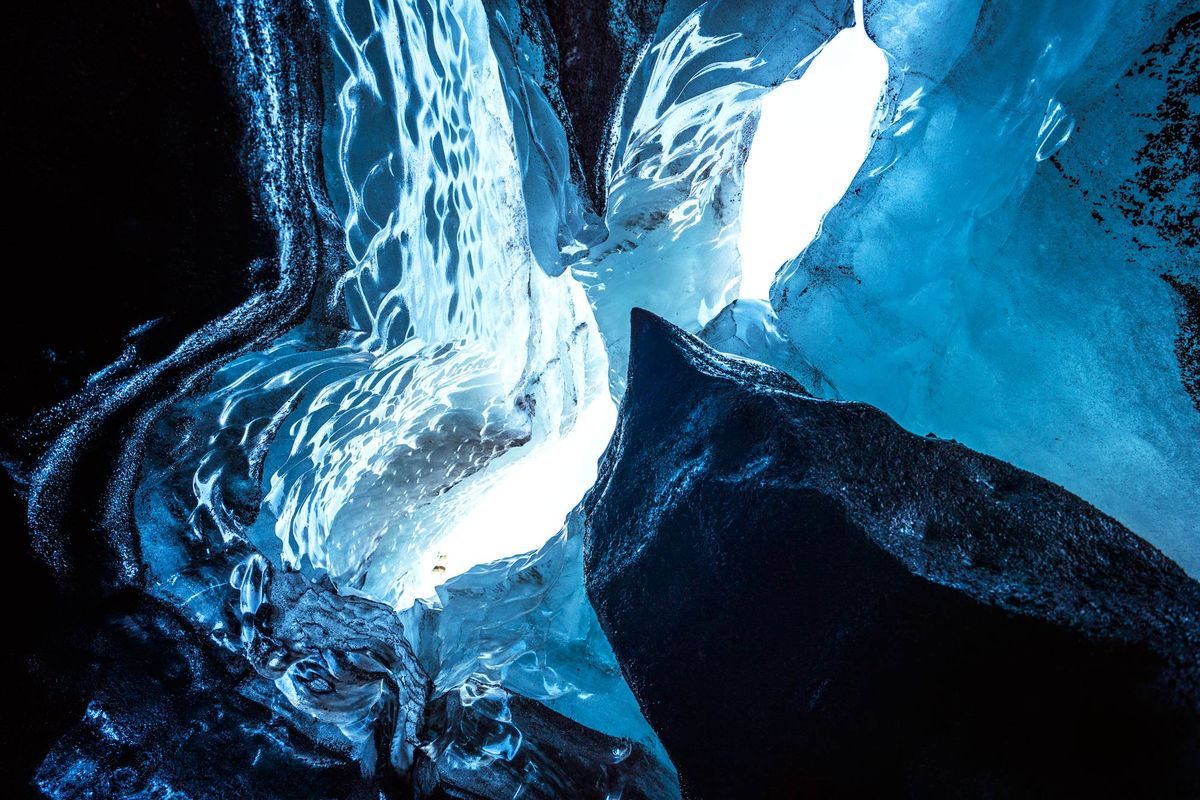
Katla Ice Cave is especially relevant for travelers who want a mythic, underground feeling. The ice is often striped with volcanic ash, giving it a black-and-blue look that fits the underworld idea more than a bright white glacier scene. It is not a confirmed single filming spot for every report, but it is one of the best bookable experiences for the same visual language: ice, darkness, ash, pressure and scale.
Glacier and Katla tours for cinematic ice landscapes
Choose Katla and glacier tours if the underworld, cave and practical-adventure side of the film is what caught your eye.
A guided Northern Lights tour in Iceland, chasing clear skies and the aurora borealis with local knowledge, warm layers and real w...
A guided Northern Lights tour in Iceland, chasing clear skies and the aurora borealis with local knowledge, warm layers and real w...
A private Northern Lights tour with flexible routing, quieter stops and more time to chase clear skies away from city lights.
A guided Northern Lights tour in Iceland, chasing clear skies and the aurora borealis with local knowledge, warm layers and real w...
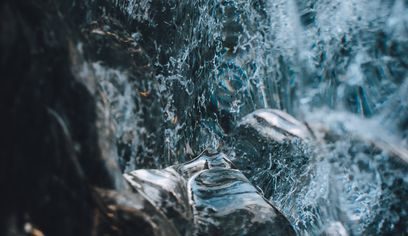
A South Coast ice cave adventure with volcanic glacier scenery, black sand landscapes and a dramatic look inside Iceland's frozen ...
A private Northern Lights tour with flexible routing, quieter stops and more time to chase clear skies away from city lights.
Best Fun Iceland tours for The Odyssey filming-location mood
The tours below follow the routes of The Odyssey-style landscapes and the reported Iceland filming-location areas: black sand beaches, volcanic coast, Snaefellsnes scenery, highland valleys, glacier country and dark ice caves. Choose the route that matches the part of Nolan's Iceland that caught your eye.
1. Best first choice: South Coast and black sand
Choose South Coast Wonders, a private South Coast tour or a bespoke South Coast day if you want the closest travel match to Hjorleifshofdi, Vik, Reynisfjara and volcanic black-sand scenery. Private options are especially strong for film fans because the guide has more room to adjust stops, timing and photo pauses.
2. Best west Iceland choice: Snaefellsnes and Kirkjufell
Choose the Snaefellsnes Peninsula and Kirkjufell Small Group Tour if you want the most varied "epic journey" day. The peninsula offers cliffs, lava, glacier, beaches, villages and famous mountain scenery in one route. For more flexibility, use a private Snaefellsnes tour, and read our full Snaefellsjokull Glacier and National Park guide before choosing your route.
3. Best rugged choice: Thorsmork and highlands
Choose Thorsmork if you want the wilder Markarfljot and highland energy: glacial rivers, mountain valleys, Super Jeep access and a stronger sense of leaving ordinary roads behind.
4. Best dark-myth choice: Katla Ice Cave
Choose South Coast and Katla Ice Cave from Reykjavik or a Katla Ice Cave Private Tour from Vik if you want caves, black ice, glacier texture and the most underworld-like bookable experience in South Iceland.
FAQ: The Odyssey filming locations in Iceland
Yes. Public reports list Iceland among the countries used for Christopher Nolan's The Odyssey, with reported Iceland locations including Hjorleifshofdi, Snaefellsnes, Markarfljot and Landeyjahofn.
Final thoughts
- If you want the closest reported Iceland location mood, start with the South Coast and Hjorleifshofdi/Vik area.
- If you want the most varied epic itinerary, choose Snaefellsnes.
- If you want rugged mythic travel, look at Thorsmork and Markarfljot-area tours.
- If the underworld mood is what interests you, Katla Ice Cave is the strongest bookable match.
Bottom line: The Odyssey uses Iceland because the country already looks like a mythic threshold: black shore, cave, glacier, river, mountain and weather. You do not need to stand on an exact film mark to feel why Nolan came here. Choose the route that matches the part of the journey that stayed with you.
Tours for Odyssey-inspired Iceland landscapes

A 10½-hour coach journey from Reykjavík to South Coast waterfalls, Sólheimajökull, Reynisfjara and Vík, with a carbon-neutral bus ...

Set out from Reykjavík for a small-group day of glacier-volcano views, seal shores, basalt cliffs, fishing villages and the famo...

Super Jeep adventure beyond the normal road, with big landscapes, rough tracks and local guiding.

Make one South Coast day count with Reykjavík pickup, two landmark waterfalls, Vík's black-sand scenery and a guided Katla ice-cav...

Take a private Super Jeep from Vík into Katla's volcanic glacier landscape, with time for changing ice caves and flexible black-sa...