Icelandic Dog
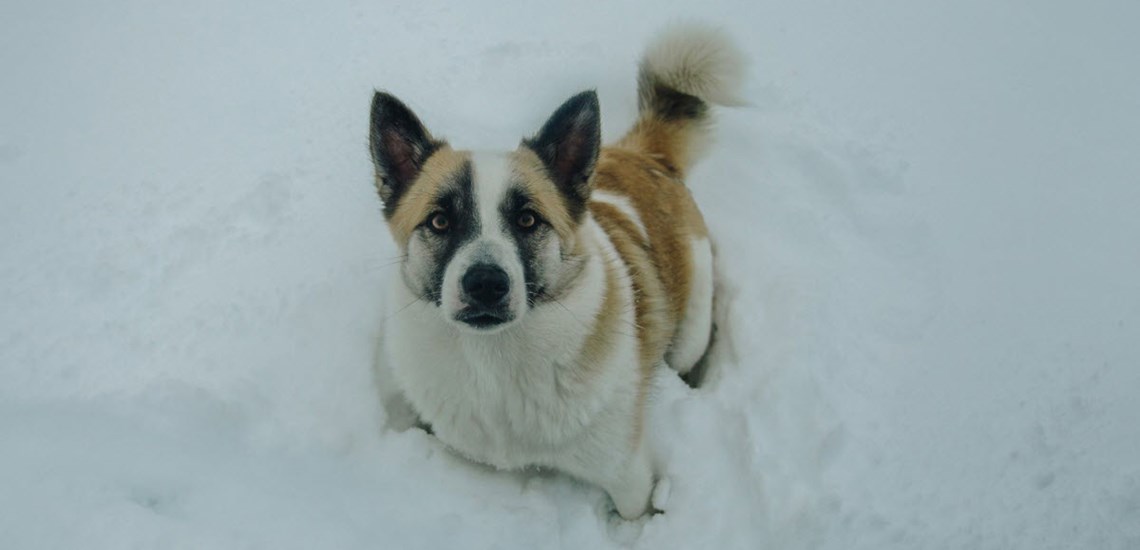
The Icelandic dog, better known internationally as the Icelandic Sheepdog, is Iceland’s only native dog breed. It is a cheerful Nordic herding spitz with a curled tail, erect ears, a thick weather-resistant coat and a long history on Icelandic farms.
For travellers, the breed is part of the same rural story as Icelandic horses, sheep farming, turf farms and remote valleys. This guide explains the history, appearance, temperament and practical travel context of the Icelandic dog, with animal-friendly tour ideas for visitors who want to connect the subject with their trip.
Quick guide to the Icelandic dog
| Breed name | Icelandic Sheepdog, often searched as the Icelandic dog |
|---|---|
| Icelandic name | Íslenskur fjárhundur |
| Origin | Iceland, descended from dogs brought by Viking settlers |
| Breed type | Nordic herding spitz; FCI Group 5, Nordic Watchdogs and Herders |
| Historic role | Farm dog for herding sheep, cattle and horses, and for alerting the farm when visitors arrived |
| Best known for | Curled tail, erect ears, thick double coat, cheerful expression and vocal farm-dog personality |
| Temperament | Friendly, playful, confident, alert and usually not aggressive |
| Good to know | This is an active and often vocal working breed, not a low-energy souvenir of Icelandic farm life |
✓ Jump to
Icelandic dog or Icelandic Sheepdog?
The phrase Icelandic dog is commonly used by travellers, but the breed’s formal English name is Icelandic Sheepdog. In Icelandic it is called Íslenskur fjárhundur, literally the Icelandic sheep dog. Older or alternative names include Icelandic Spitz and Iceland Dog, but Icelandic Sheepdog is the clearest name to use when comparing breed information.
The breed is not a wild animal and it is not the same thing as the Arctic fox, which is Iceland’s only native land mammal. The Icelandic Sheepdog is a domestic farm dog: a working companion shaped by Iceland’s weather, open grazing land, scattered farms and long reliance on sheep and horses.
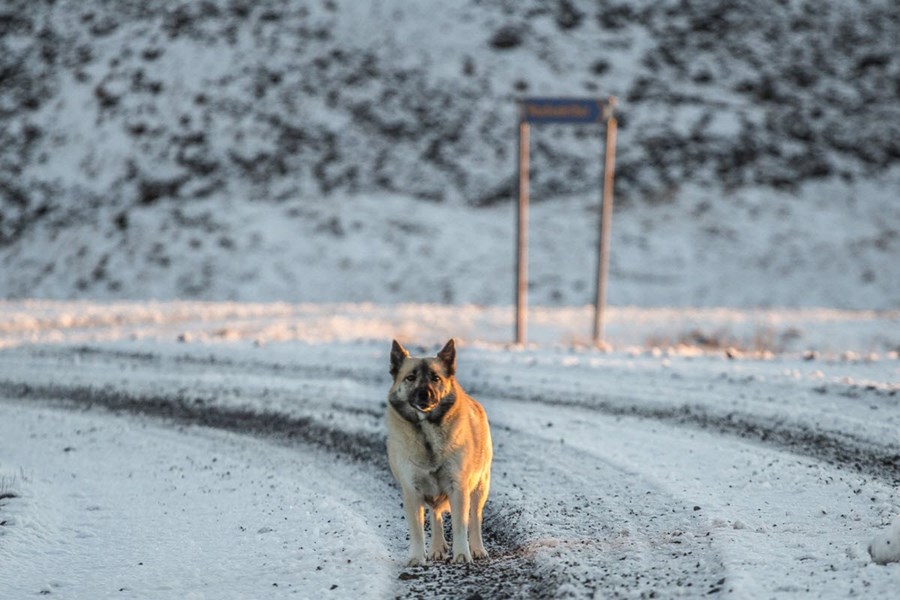
The Icelandic Sheepdog is strongly tied to rural Iceland, open landscapes and farm work.
A Viking-age farm dog
The Icelandic Sheepdog is generally understood as a descendant of dogs brought to Iceland by the first Norse settlers in the Viking Age. The FCI breed standard describes it as Iceland’s native breed, descended from dogs that arrived with the original Viking settlers around AD 870-930. Over time, those dogs adapted to Icelandic terrain, climate and farming methods.
On Icelandic farms, a useful dog had to be hardy, alert and quick. Sheep were often spread across open pastures, hillsides and rough lava-country edges. A small-to-medium, agile dog that could bark, gather, move and signal livestock was valuable in places where fences were limited and weather could change fast.
The Icelandic Sheepdog was used with sheep, cattle and horses. Its value was not only in “herding” in the narrow modern sense. It also watched the farm, announced visitors, helped people locate animals and made daily work easier in a country where farms could be isolated from one another for long periods.
Why the breed mattered
- Herding: moving sheep and other livestock across open Icelandic landscapes.
- Alerting: barking to announce visitors, animals or unusual movement near the farm.
- Resilience: a thick double coat and lively body helped the breed work in cold, wet and windy conditions.
- Companionship: the dog became part of the household, not only a tool for the field.
Decline, disease and preservation
The breed’s story was not a straight line from settlement to modern popularity. Dog numbers in Iceland changed with famine, harsh winters, disease, sheep parasites and changing attitudes toward dog ownership. In the nineteenth century, Iceland introduced rules and taxation around dogs partly because of health concerns connected with livestock and people.
By the twentieth century, the pure Icelandic Sheepdog had become much less common. Breeding work restarted in earnest in the 1960s, and the Icelandic Kennel Club, Hundaræktarfélag Íslands, was founded in 1969. That preservation work helped keep the breed from disappearing and gave the modern Icelandic Sheepdog a clearer future.
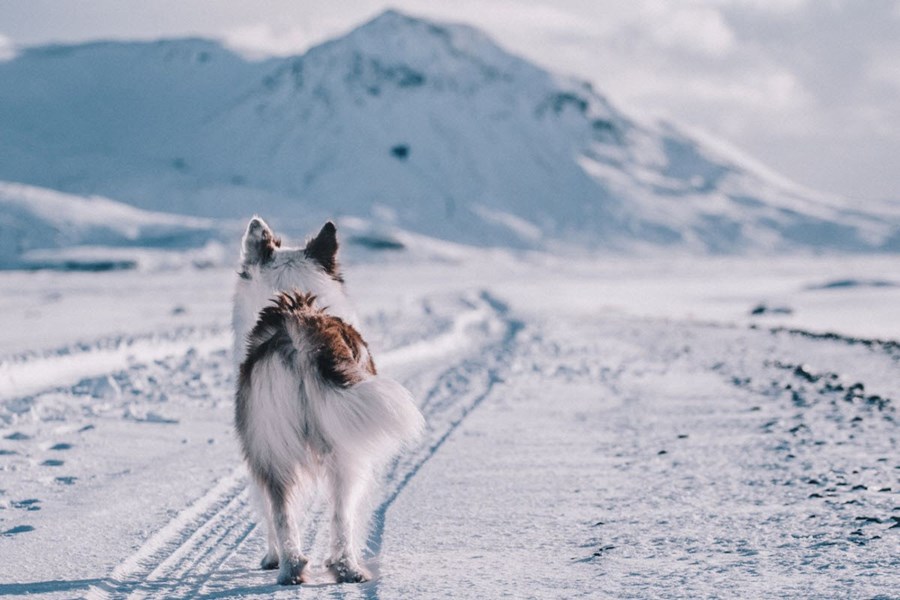
The breed’s thick coat and alert nature reflect a long history in a demanding northern landscape.
What does an Icelandic Sheepdog look like?
The Icelandic Sheepdog is a Nordic spitz-type herding dog, slightly under medium size and rectangular in profile. The classic impression is easy to recognise: a curled tail carried over the back, upright ears, a bright expression and a thick coat. The FCI standard recognises both short-haired and long-haired coat types, but in both cases the coat is dense and weather resistant.
Typical physical clues
Look for erect triangular ears, a curled tail, a compact but athletic build, and a friendly, alert face. The breed should look lively rather than heavy.
Coat and colours
Common colours include shades of tan or red, grey, chocolate brown and black, usually with white markings. The double coat is one of the breed’s practical farm-dog features.
Like many old working breeds, the Icelandic Sheepdog was shaped by usefulness before fashion. The result is not a dramatic giant dog, but a nimble, expressive companion that still looks ready to move.
Temperament: friendly, vocal and busy
The Icelandic Sheepdog is usually cheerful, people-oriented and playful. The breed is known for being friendly rather than aggressive, but it is also alert and vocal. That barking tendency makes sense when you remember its old farm role: a dog that announced visitors, helped control livestock and kept contact with people over open ground needed a voice.
For families, this can be a wonderful trait when the dog has enough attention, exercise and training. For people who want a quiet, low-energy apartment dog, it can be a mismatch. The breed tends to do best when it has activity, structure, social contact and a job-like outlet, even if that “job” is modern training, hiking, agility or regular outdoor life.
Where can travellers see Icelandic dogs in Iceland?
There is no single guaranteed “Icelandic dog attraction” that every visitor should plan around. You are more likely to encounter Icelandic Sheepdogs around farms, rural homes, horse farms, countryside accommodation, sheep-related events and local communities than at a formal tourist site.
If the breed is part of your interest in Icelandic animals, combine this page with experiences that bring you closer to rural Iceland: horse farms, countryside visits, family-run farms, North Iceland animal experiences and winter dog-sledding kennels. These are not all Icelandic Sheepdog tours, but they help visitors understand the working-animal culture that shaped the breed.
Dog, horse and countryside experiences in Iceland
Use these when you want the Icelandic dog story to connect with real animal encounters, kennels, farms or countryside travel. The dog-sledding products are not Icelandic Sheepdog tours, but they are relevant for visitors actively searching for dog experiences in Iceland.

A friendly North Iceland kennel visit for travellers who want a guided dog-focused stop.

A winter dog-sledding experience with the kennel team and snowy North Iceland scenery.

A relaxed Icelandic countryside horse-riding option, useful for families and self-drivers.

A short North Iceland horse-riding experience for travellers interested in Icelandic farm animals.
Icelandic dog, Icelandic horses and farm life
The Icelandic Sheepdog belongs naturally in the same wider story as the Icelandic horse and Icelandic sheep. These animals helped people live, travel and farm in a place where weather, distance and terrain shaped daily life. A good Icelandic horse carried people across rivers and rough ground. Sheep provided wool, meat and a way to use open grazing land. A good dog helped manage that world.
That is why a page about the Icelandic dog should not only describe a breed. It should also point travellers toward the countryside. A short riding tour, a farm visit, a rural guesthouse stay or a slower drive through sheep-farming areas gives more context than a simple breed fact list.
Travelling with dogs in Iceland
Visitors sometimes ask whether they can bring their own dog to Iceland. Iceland has strict import and quarantine rules for animals, so this is not a casual travel decision. Always check the current rules with the Icelandic authorities before planning travel with a pet, and do not rely on general travel blogs for this part.
When travelling inside Iceland, respect leash rules, bird-nesting restrictions, farm boundaries and protected natural areas. Dogs can disturb sheep, horses and nesting birds, even when they are friendly. If a local sign asks visitors to keep dogs away, follow it.
FAQ about the Icelandic dog
Is the Icelandic dog the same as the Icelandic Sheepdog?
Yes. Travellers often search for “Icelandic dog”, while the official English breed name is Icelandic Sheepdog. In Icelandic, the breed is called Íslenskur fjárhundur.
Is the Icelandic Sheepdog Iceland’s only native dog breed?
Yes. The Icelandic Sheepdog is Iceland’s only native dog breed. It is a domestic herding dog, not a wild Icelandic animal.
Did Vikings bring dogs to Iceland?
The breed is descended from dogs brought to Iceland by Norse settlers in the Viking Age. Those dogs adapted over centuries to Icelandic terrain, weather and farming methods.
What was the Icelandic dog used for?
It was mainly a farm and herding dog, used with sheep, cattle and horses. It also alerted the household when visitors or animals approached.
What does an Icelandic Sheepdog look like?
It is a Nordic spitz-type dog with erect ears, a curled tail, a thick double coat and a cheerful, alert expression. Both short-haired and long-haired coat types exist.
What colours can Icelandic Sheepdogs be?
Common colours include tan or red shades, grey, chocolate brown and black, usually with white markings. The exact pattern varies from dog to dog.
Does the Icelandic Sheepdog bark a lot?
It can be a vocal breed. Barking was useful in farm work and visitor alerting, so owners should expect to manage that tendency with training and activity.
Is the Icelandic Sheepdog aggressive?
The breed is generally known as friendly, cheerful and alert rather than aggressive. Like any dog, behaviour depends on breeding, socialisation, training and the situation.
Is the Icelandic dog good with families?
It can be a very good family dog for active homes that want an engaged, social and trainable companion. It is not ideal for people who want a very quiet or low-exercise dog.
Can travellers see Icelandic dogs in Iceland?
Sometimes, especially around farms, rural accommodation, horse farms and countryside communities, but sightings are not guaranteed. Always ask the owner before approaching a dog.
Are there Icelandic dog tours in Iceland?
There are not many tours built specifically around Icelandic Sheepdogs. For dog-focused travel, look at kennel visits and dog-sledding experiences. For farm-animal context, pair this topic with Icelandic horse or countryside tours.
Is dog sledding in Iceland done with Icelandic Sheepdogs?
No. Dog-sledding tours normally use sled-dog breeds suited to that activity, not Icelandic Sheepdogs. They are still relevant for travellers who specifically want a dog experience in Iceland.
Can I pet an Icelandic dog on a farm?
Only if the owner says it is okay. Farm dogs may be working, guarding their home area or moving around livestock, so visitors should be respectful and keep distance until invited.
Can I bring my own dog to Iceland?
Iceland has strict animal import and quarantine rules. Check the latest official requirements before making any travel plan with a pet.
Was the Icelandic Sheepdog endangered?
The breed came close to disappearing in the twentieth century, but organised preservation and breeding work helped it recover. It remains a culturally important Icelandic breed.
Is the Icelandic Sheepdog related to other Nordic dogs?
It is a Nordic spitz-type herding dog and is often compared with breeds such as the Norwegian Buhund and Swedish Vallhund because of shared northern farm-dog ancestry.
Is the Icelandic dog a good hiking companion?
For active owners, yes, the breed can be a lively outdoor companion. Travellers should still respect local leash rules, protected areas and bird-nesting restrictions.
Why is the Icelandic dog important to Icelandic culture?
It connects modern visitors with older rural Iceland: sheep farming, horses, isolated farms, harsh weather and the practical animals that helped people live in the country.