Weather in Iceland in September
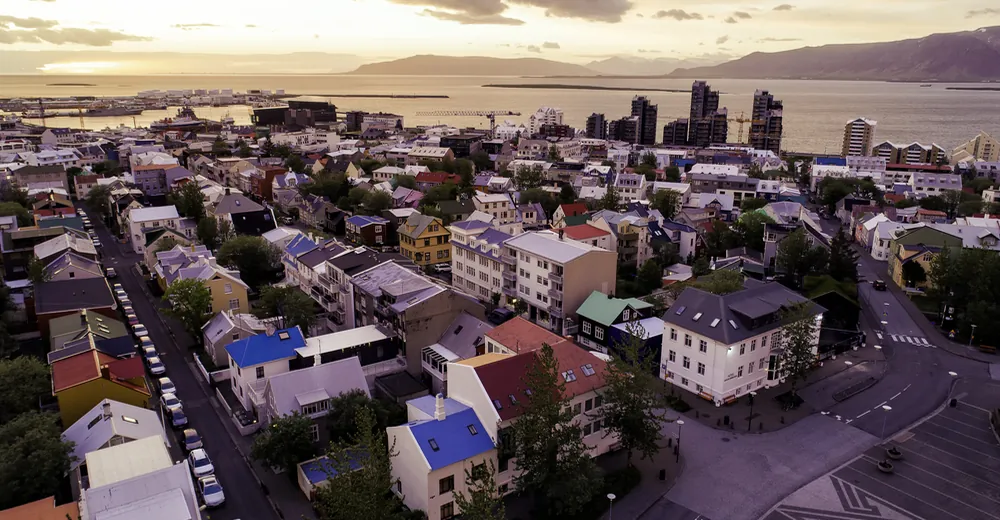
Reykjavík averages 8.5°C in September, with average highs of 11.4°C and lows of 6.2°C. Plan for rain, wind and shorter evenings.
How cold is September?
In Reykjavík, the historical average is 8.5°C. Average daily highs are 11.4°C and lows 6.2°C. These are averages, not temperature limits or a forecast for your visit.
Climate: Reykjavík, WMO 04030 · 1991–2020 normals. View the source data. Daylight is calculated separately; it is not sunshine.
What is September really like?
September is the transition from summer to autumn. A sunny stop can turn into a wet, windy one, so plan around the forecast rather than a single monthly average.
Reykjavík is a useful reference point, not a description of the whole country. Higher ground, mountain passes and exposed coastal roads need their own checks.
Rain, not a rainy-day forecast
The 87 mm figure is a historical monthly total. It does not tell you which days will be wet, how long a shower will last or what will happen on your route.
Snow is possible
Autumn does not rule out winter conditions, especially on higher routes. Do not assume a clear road in the capital means a clear mountain pass.
Keep one day flexible.
Separate your must-do stops from optional detours. Decide the order once you have the local forecast for your travel dates.
The evenings get shorter.
Reykjavík loses about three hours of daylight during September. Leave time for the return drive as well as the stops.
Reykjavík · Iceland time (UTC) · U.S. Naval Observatory calculations for 2026. Daylight means sunrise to sunset; clouds determine sunshine, and twilight extends beyond sunset.
Check the weather.
Then check your route.
Monthly averages help you pack. Official forecasts, warnings and road reports help you decide where to go.
Reykjavík weather
Latest available station observationRoad conditions
Selected sections, not a complete route checkArea selector loads with the current reports. Use the official map if it does not appear.
No automatic all-clear is shown when information is missing. The official warning pages and road map remain the primary checks for travel decisions.
A good route leaves room to change.
Check conditions along the journey, not only at your destination. Weather, visibility and road surface all matter.
Ring Road & main routes
Check the sections you will drive that day. Adjust your speed and stops to the conditions, and keep a realistic return time.
Highlands & F-roads
Do not plan around a guaranteed opening date. Check access, vehicle requirements and official closures for the exact road before setting off.
Wind & exposed stops
Read the warnings and gust forecast. A road surface report alone does not tell you whether an exposed route suits your vehicle.
Layers that keep
the day comfortable.
Pack for a wet waterfall stop, a windy viewpoint and a colder evening. Clothes that work together are more useful than one heavy coat.
Official outdoor clothing advice ↗-
Waterproof outer layersA hooded jacket and rain trousers.
-
A warm layer underneathWool or fleece, plus a base layer for outdoor days.
-
Footwear with gripWater-resistant hiking shoes or boots and spare socks.
-
The small thingsA hat, gloves and a dry bag for spare clothing.
-
Pack for your activityCheck the operator’s kit list; bring swimwear for a planned pool stop.
Can you see the Northern Lights in September?
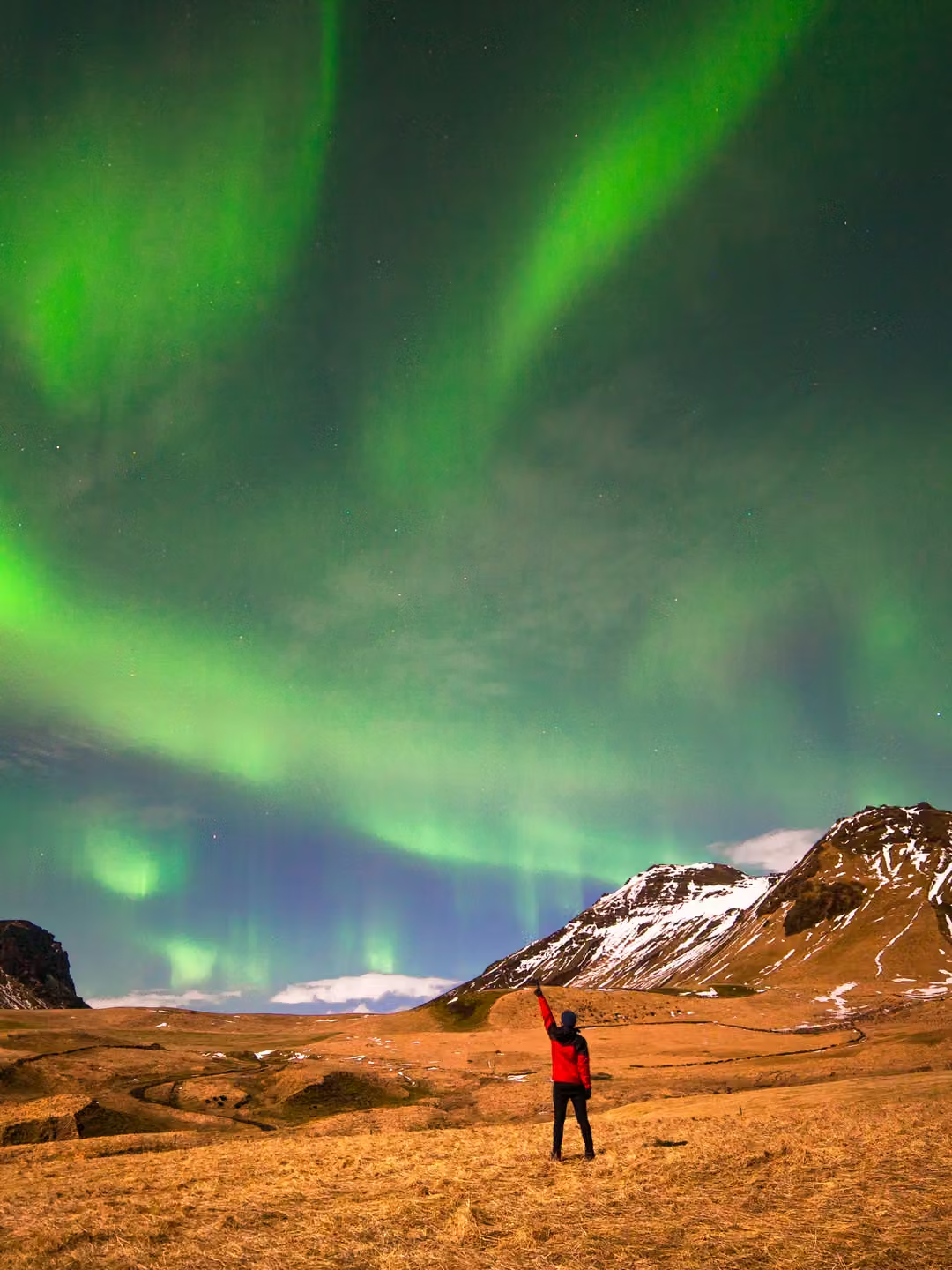
Yes, September has dark nights again. A sighting still needs the right combination of darkness, clear enough skies and aurora activity. No month or tour can guarantee it.
Use the cloud-cover forecast as well as the aurora forecast, and choose a safe place to stop.
Check cloud cover & aurora forecast ↗Find a day that fits your trip.
Once you know your dates and route, explore these options. Check each departure and the operator’s weather policy.
The Golden Circle
Compare guided options for Þingvellir, Geysir and Gullfoss. Leave the driving to a guide if that suits your plans.
View Golden Circle tours →The South Coast
Build a day around waterfalls and dramatic landscapes. Bring waterproof layers and follow local safety advice at every stop.
View South Coast tours →Northern Lights
Compare departure locations and tour formats. Read the cancellation and rebooking terms before choosing.
View Northern Lights tours →Guided tours are also subject to weather changes and cancellations. These links are not availability or safety guarantees.
September weather FAQs
Is Iceland cold in September?
Reykjavík’s September mean is 8.5°C, with average daily highs of 11.4°C and lows of 6.2°C in the 1991–2020 normals. Actual days can be warmer or colder. Wind and rain can make a stop feel much colder than the temperature suggests.
Does it rain every day in September?
A monthly precipitation total cannot predict your travel dates. Reykjavík’s historical September total is 87 mm. Use the local forecast for the time and place you plan to visit, and carry waterproof layers even if the morning is dry.
Does it snow in September?
Snow and icy conditions are possible in autumn, especially on higher ground. Check the local forecast, mountain-road access and current road reports rather than assuming September is winter-free.
How many hours of daylight are there?
In Reykjavík in 2026, sunrise-to-sunset daylight falls from 14 hours 33 minutes on 1 September to 11 hours 26 minutes on 30 September. Twilight adds light beyond those times. Sunshine is a different measurement and depends on cloud cover.
Can I drive the Ring Road or visit the Highlands?
Check your exact route before departure. Main-road conditions do not establish whether an F-road is open, and four-wheel drive does not override a closure or make a river crossing safe. Follow official restrictions, rental terms and local advice.
Is this a forecast for my September trip?
No. The September figures describe historical climate, and the daylight figures are astronomical calculations for the dates shown. The separate weather and road panels show the latest available official data with their own timestamps. Use the official sources to check your exact route and travel dates.
Is September a good month for Northern Lights?
September offers dark nights, but darkness alone is not enough. Cloud cover and aurora activity also matter. Keep expectations flexible and do not treat a tour booking or a high activity forecast as a guaranteed sighting.
Compare the months.
Sources & how to read this guide
- WMO climate normals, 1991–2020, archived by NOAA: Reykjavík station 04030. Mean, daily high/low and monthly precipitation are different measures. They do not describe all of Iceland.
- U.S. Naval Observatory: sunrise and sunset for Reykjavík, 64.1466° N, 21.9426° W, on 1, 15 and 30 September 2026. UTC, no daylight-saving adjustment.
- Icelandic Meteorological Office / Veðurstofa Íslands: observation and automatic station forecast. Observation and automatic forecast retrieved through a shared server cache; observation, forecast and retrieval times are distinct. Missing or outdated data are marked unavailable. Values are formatted for readability.
- Vegagerðin road-condition feed: selected current sections with feed and retrieval timestamps, CC BY 4.0. Selection and display by Fun Iceland. This is not a complete route assessment or endorsement.
- SafeTravel driving advice, Highland driving and outdoor clothing guidance. Current official restrictions and warnings take priority.